
Products

 Products Overview
Newsela products are purpose-built to unlock student motivation, inspire teachers, and drive long-lasting learning outcomes.








Resources
About
Products OverviewNewsela products are purpose-built to unlock student motivation, inspire teachers, and drive long-lasting learning outcomes.
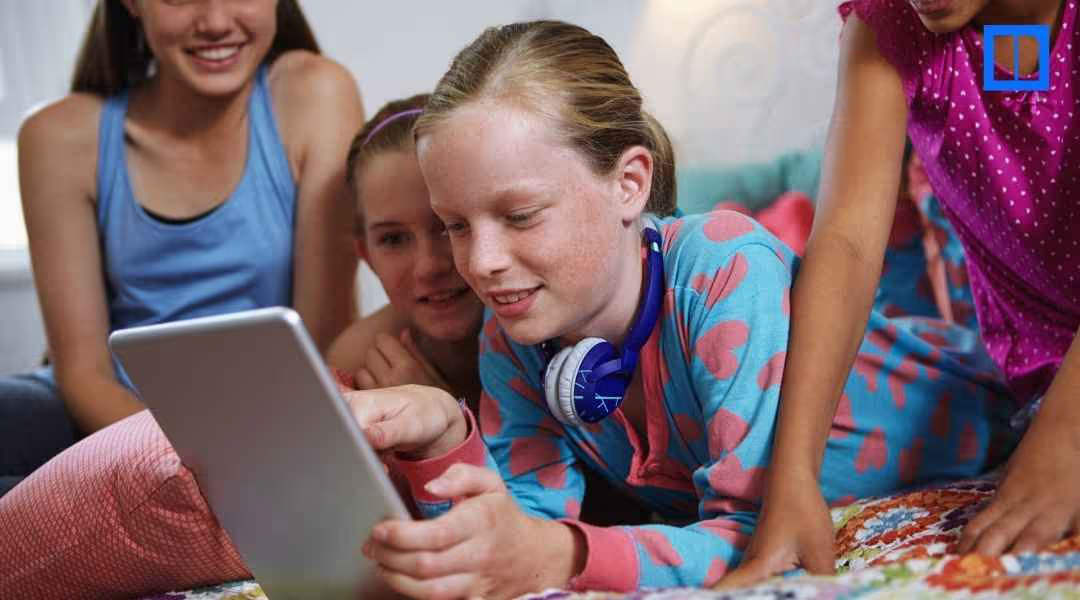
Sometimes you need a fast way to introduce a concept, spark curiosity, or give students a clearer example than the textbook (or any written text!) can provide. That’s where educational videos for kids can really help.
With Newsela’s video collections across STEM, ELA, and social studies, you can find engaging content that fits your lesson, supports different grade levels, and helps students connect ideas to the real world.
Jump to:
Short videos can be one of the easiest ways to kick off a STEM lesson. Sometimes students just need to see the idea before they can really understand it.
With Newsela STEM, you can explore a wide range of educational videos for kids that support science and math instruction across grade levels. These videos use engaging live-action lessons and clear explanations to make complex topics easier to grasp.
Whether you’re teaching early elementary science concepts or middle school algebra ideas, there are collections you can use right away.
Generation Genius science videos are designed to support real classroom instruction. You can use them to launch lessons, reinforce key concepts, or spark discussion before moving into hands-on activities or deeper exploration.
You’ll find these videos organized by grade band, which makes it easy to choose something that fits your lesson. Whether you’re introducing the scientific method to younger students or helping middle school learners explore physics concepts, these videos give students a clear starting point.
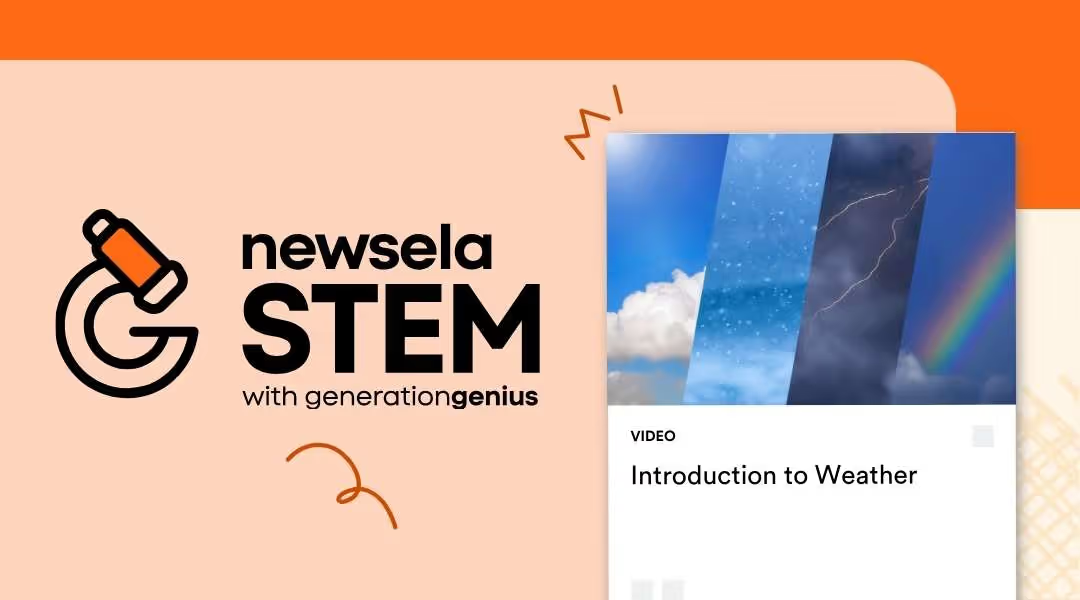
In K-2 science classrooms, you often help students observe the world and ask questions about how things work. This video collection introduces foundational ideas, such as what scientists do, how engineers solve problems, and how we explore the natural world through our senses. Try selections like:
Upper elementary science typically expands into life science, earth science, and physical science concepts. These videos help students explore topics like body systems, ecosystems, landforms, and the properties of matter. Try selections like:
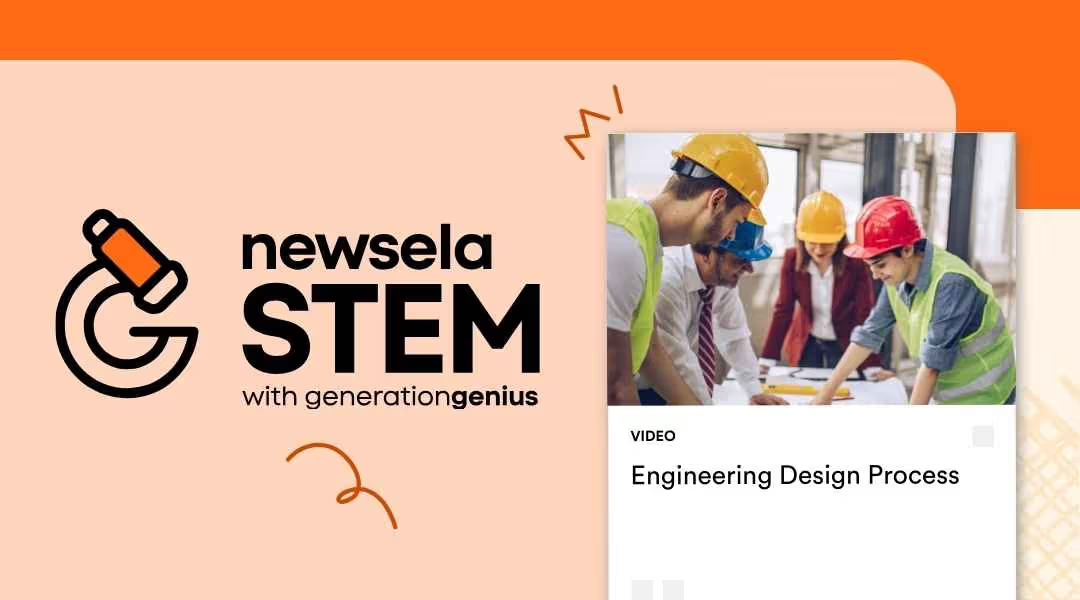
Middle school science builds toward deeper conceptual understanding across physics, chemistry, and biology. These videos help students explore topics such as the laws of motion, engineering, and the science behind chemical elements. Try selections like:
Generation Genius math videos break down important ideas using clear explanations and visual examples that help students connect procedures to understanding. You can explore videos by grade band to support elementary and middle school math instruction.
In K-2 math classrooms, students are building foundational number sense and learning how numbers work together. These videos introduce early concepts like addition, subtraction, place value, and time through clear visual explanations and relatable examples. Try selections like:
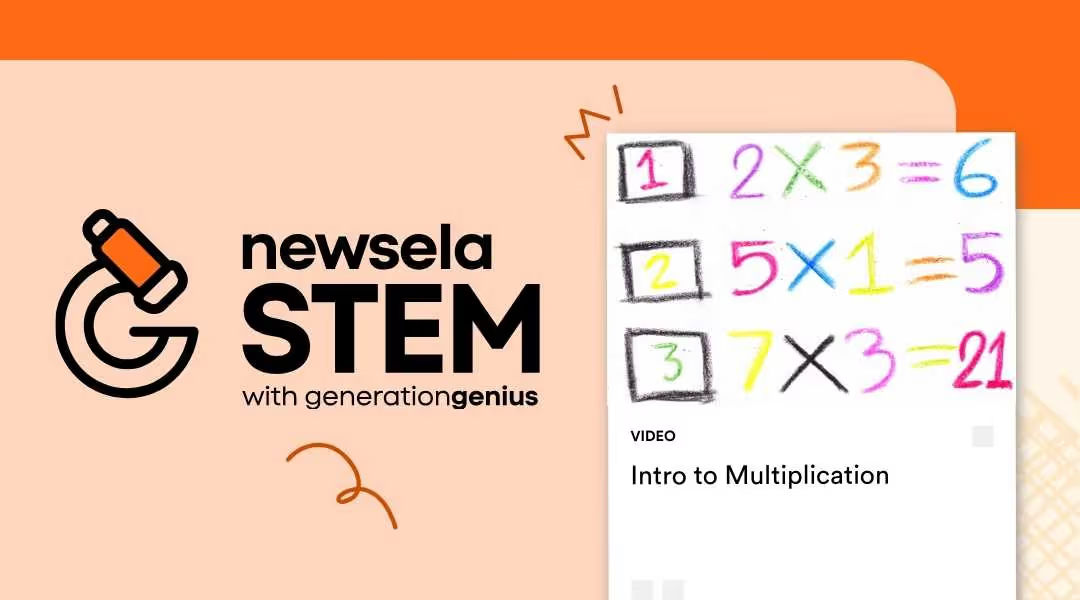
Upper elementary math builds on number sense while introducing multiplication, division, and more complex problem-solving. These videos help students explore key skills such as decimals, the order of operations, and the coordinate plane. Try selections like:
Middle school math often focuses on preparing students for algebra and higher-level problem solving. These videos help students explore topics like algebraic expressions, linear equations, and irrational numbers. Try selections like:
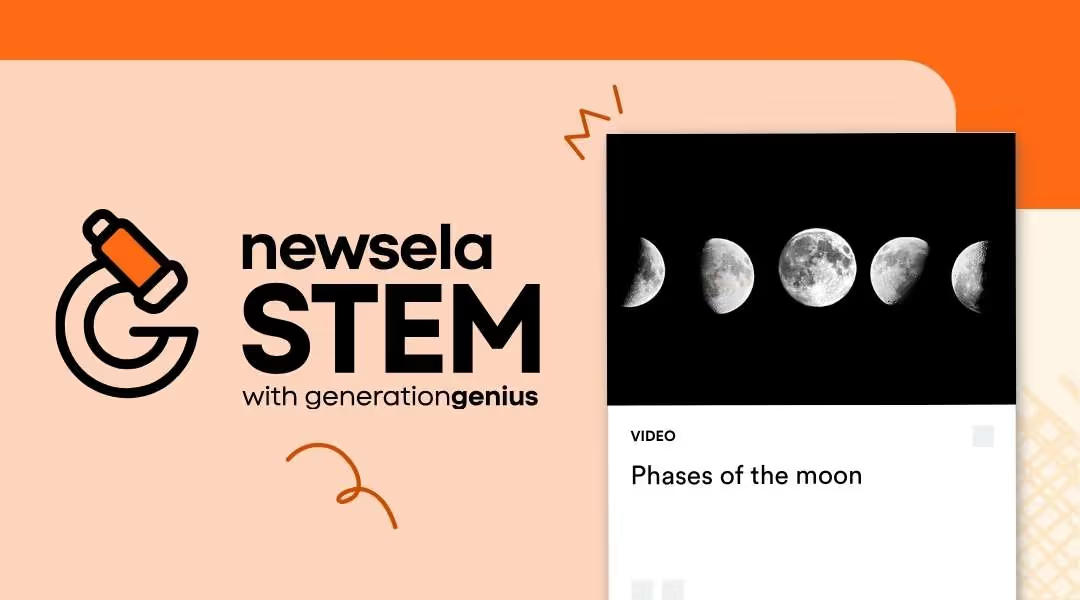
Space is one of the STEM topics that immediately grabs students’ attention. Astronomy videos can help you tap into that curiosity while introducing important science concepts about Earth, the Moon, and the solar system. Some videos in this collection include:
Biology topics often help students understand the living world around them. From ecosystems to genetics, these videos make complex life science ideas easier to visualize and discuss in class. Some videos in this collection include:
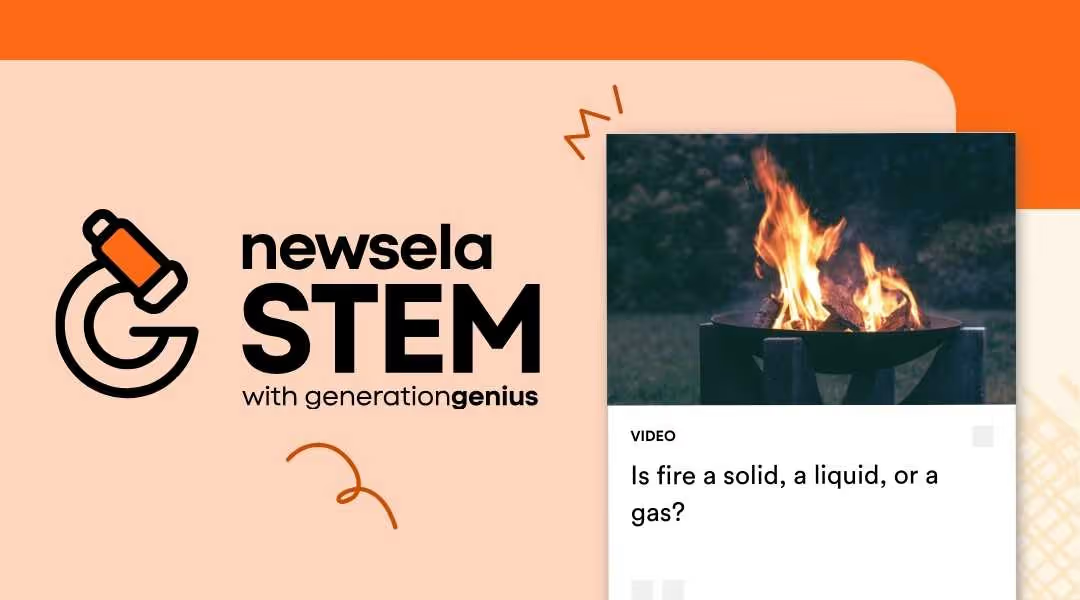
Chemistry helps students understand how matter behaves and how substances change. Videos can make these ideas much easier to grasp by showing reactions, mixtures, and physical changes in action. Some videos in this collection include:
Earth science helps students understand the systems that shape our planet. From weather patterns to the movement of water and air, these topics help students see how natural processes affect everyday life. Some videos in this collection include:
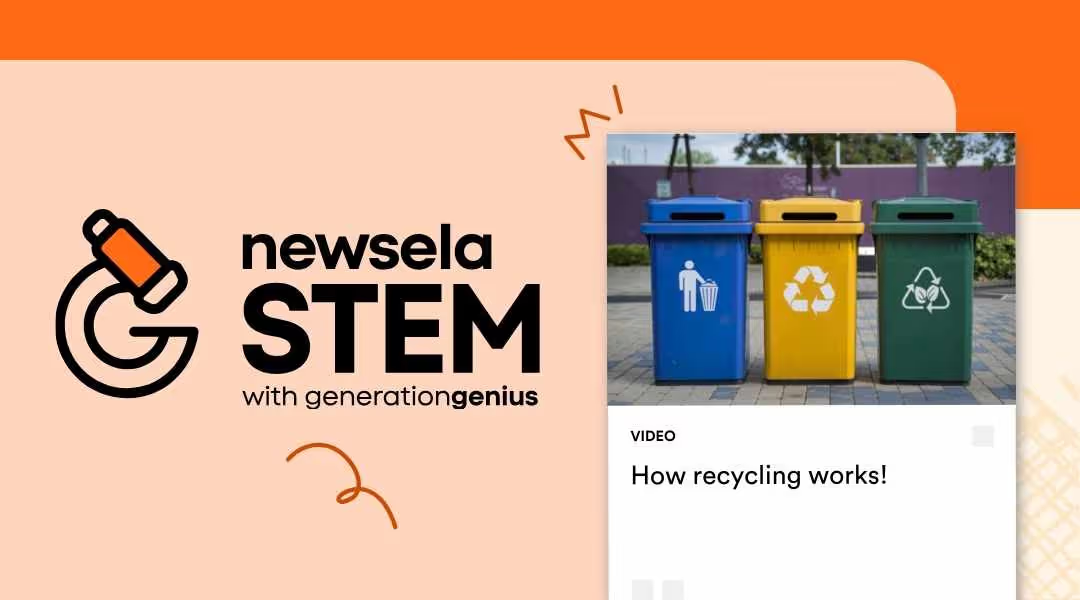
Environmental science helps students explore how humans interact with the natural world. These topics often lead to meaningful classroom discussions about sustainability, conversation, and the choices people make that affect the planet. Some videos in this collection include:
Health science topics help students understand how the human body works and how daily choices affect well-being. These videos can support lessons about disease, nutrition, and how different systems function in the body. Some videos in this collection include:
Physics helps students understand how forces, motion, and energy shape the world around them. Videos make these easier to visualize by showing how physical laws apply to everyday experiences. Some videos in this collection include:
Key takeaways:
ELA instruction often asks students to think deeply about texts, themes, and ideas. Sometimes a short video can help students visualize these concepts before diving into reading or writing tasks.
With Newsela ELA, you can explore a wide range of educational videos for kids that support reading comprehension, background knowledge, and literacy skill development.
These videos represent a sampling of the broader ELA video content available, covering topics like literature analysis, grammar, media literacy, and cultural understanding.
When you’re introducing new reading strategies or story concepts, a short video can help students see how those skills work before they apply them in a text. Generation Genius ELA videos use storytelling, characters, and clear examples to model important literacy skills.
In K-2 classrooms, students are building foundational literacy skills and learning how stories work. These videos introduce early reading concepts like story elements, traditional tales, and the lessons stories can teach. Try selections like:
Newsela Knack: More videos are released each month. Check back for more!
Upper elementary students begin to analyze texts more deeply and practice strategies like identifying themes, comparing characters, and using evidence to support their thinking. These videos help model those literacy skills in ways students can easily understand. A few examples include:
Newsela Knack: More videos are released each month. Check back for more!
Strong readers rely on background knowledge to understand what they read. These videos help students build context across topics like science, history, culture, and the arts. With more information, it’s easier to connect stories and texts to what they already know.
Animals are often one of the easiest topics to help spark curiosity and build background knowledge for students. These videos help students explore how animals live, adapt, and interact with their environments while strengthening vocabulary and comprehension skills.
Try videos like:
Art topics can help students connect creativity with history and culture. These videos introduce artists, artistic movements, and cultural influences while helping students build background knowledge that supports reading and discussion across subjects. A few examples include:
Learning about authors can help students better understand the stories and perspectives behind the books they read. These videos introduce influential writers and explore the lives and ideas that shaped their work. Some videos in this collection include:
Sometimes students understand literature better when they know the context behind it. These videos explore the historical background, themes, and cultural influences that shape well-known novels and plays. Some videos in this collection include:
Understanding culture helps students make sense of the world and the people in it. These videos explore how traditions, beliefs, and shared experiences shape communities and identities around the world. A few examples include:
Understanding genre helps students recognize how different types of stories work. These videos introduce common literary genres and explain the features that make each one unique, helping students analyze texts and identify patterns across literature.
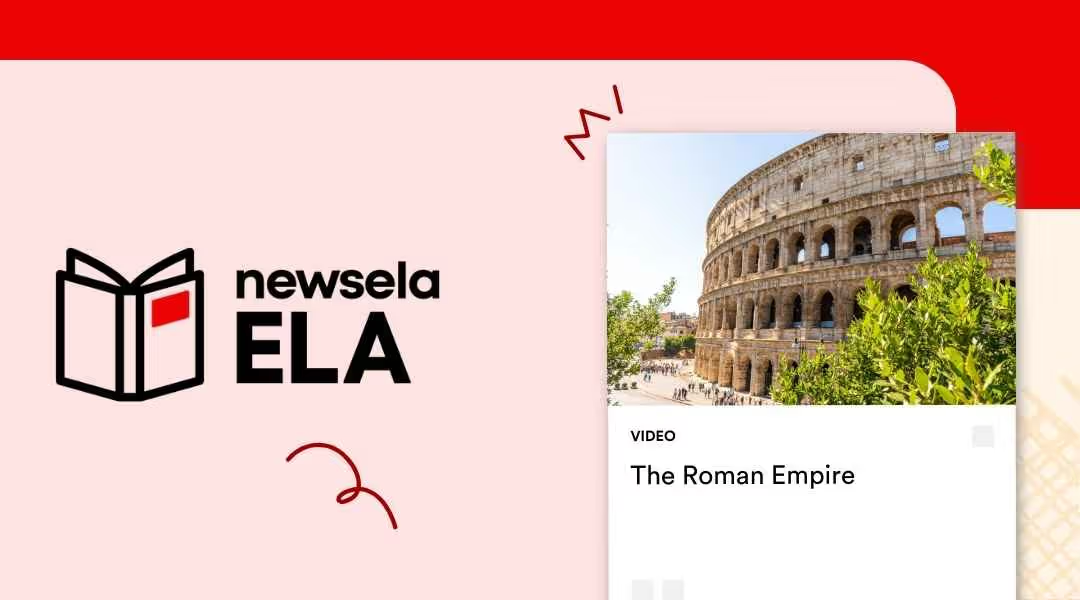
Historical background can help students better understand the texts and ideas they encounter in class. These videos introduce major events, civilizations, and turning points from early history through the 1800s. Some videos in this collection include:
Modern history topics help students connect past events to the world they live in today. These videos explore major moments and movements from the 20th century and beyond, helping students build context for discussions about politics, society, and global change.
Some videos in this collection include:
Today’s issues often spark curiosity and meaningful discussion in the classroom. These videos help students explore current topics while practicing critical thinking and media skills. Some videos in this collection include:
Myths and legends help students explore how cultures explain the world through storytelling. These videos introduce well-known origin stories and traditional narratives while helping students recognize common themes found across different cultures.
Some videos in this collection include:
Philosophy encourages students to think deeply about ideas, beliefs, and how we understand the world. These videos introduce big questions about knowledge, identity, and human behavior while helping students practice critical thinking and discussion skills. Some videos in this collection include:
Pop culture topics can help students connect classroom learning to the media, music, and trends they see every day. These videos explore how culture evolves and how entertainment influences society and creativity. Some videos in this collection include:
Understanding how people think, learn, and interact can help students build stronger social and emotional skills. These videos introduce psychology concepts and practical strategies students can use in everyday situations. Some videos in this collection include:
Some topics naturally connect science, technology, and society. These videos help students explore how scientific discoveries shape everyday life and future possibilities while encouraging curiosity about innovation and global challenges. Some videos in this collection include:
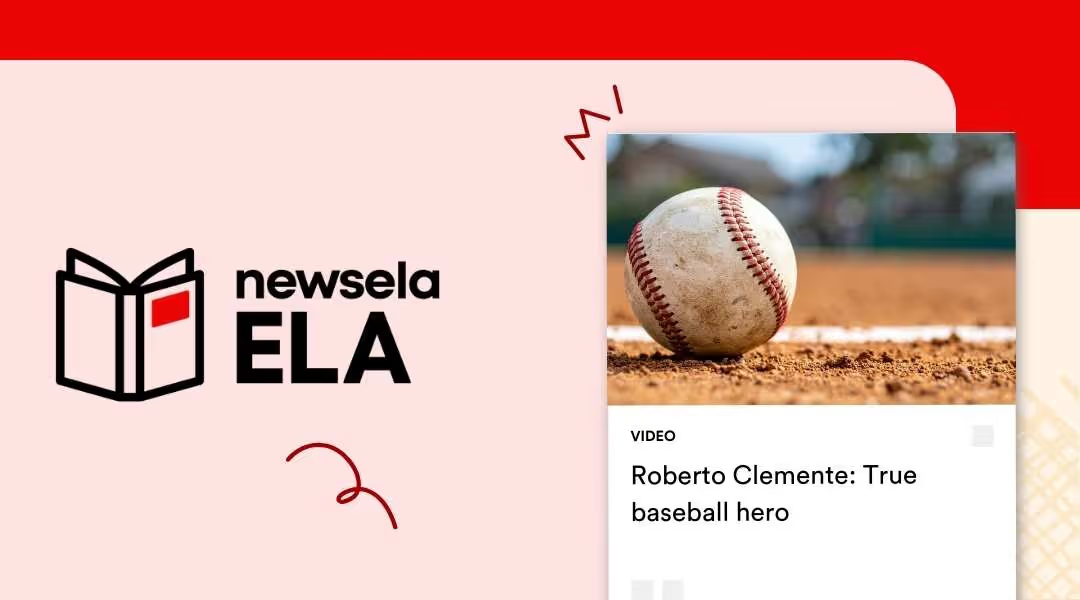
Sports stories can help students connect reading to real-world achievements, perseverance, and teamwork. These videos explore athletes, competitions, and the cultural impact of sports while building background knowledge for discussions and reading activities. Selections include:
Reading instruction often focuses on the strategies students use to understand texts. These videos help model important literacy skills, such as analyzing arguments, identifying evidence, understanding figurative language, and evaluating information.
Grammar videos can give students a clearer way into language concepts that sometimes feel dry on the page. This collection helps you introduce sentence parts, structure, and usage in ways that support both reading and writing. Some videos include:
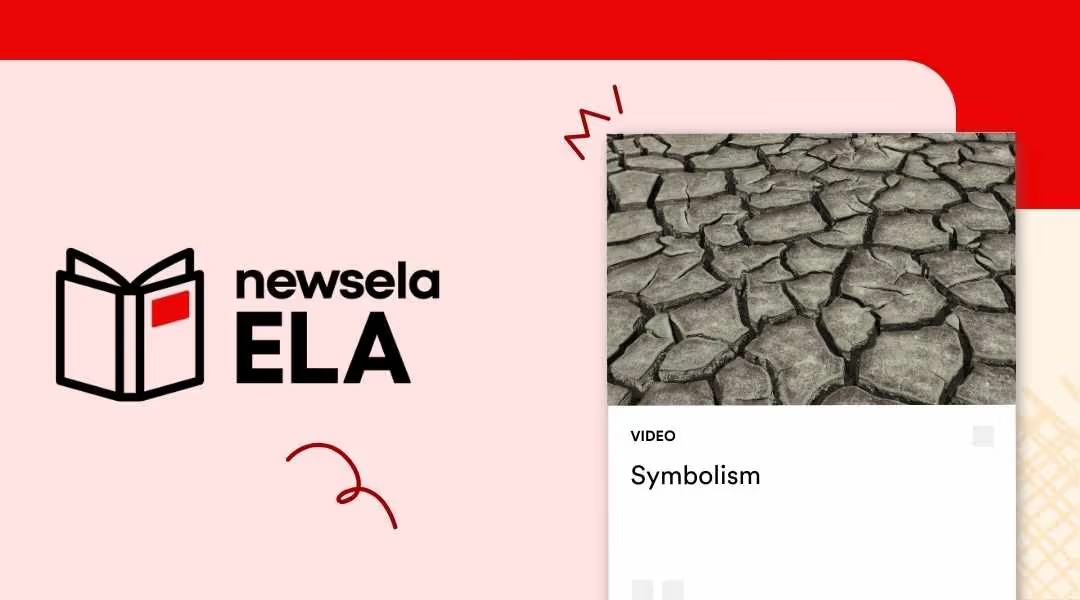
Literary techniques help students understand how authors create meaning, mood, and deeper layers within a text. These videos introduce common devices writers use so students can better recognize them while reading and apply them in their own writing. Some videos include:
Students encounter digital media every day, so learning how to evaluate information and behave responsibly online is an important literacy skill. These videos help students think critically about media messages while building awareness of online safety and digital citizenship. Some videos include:
Read more: Build Media Literacy in Your K-12 Classroom
Strong readers use strategies to understand how texts are organized and what authors are trying to communicate. These videos help students practice identifying story elements, analyzing arguments, and using context clues to understand unfamiliar ideas.
Some videos in this collection include:
Communication skills are an important part of literacy. These videos help students learn how to express ideas clearly, listen actively, and participate in thoughtful discussions. Some videos in this collection include:
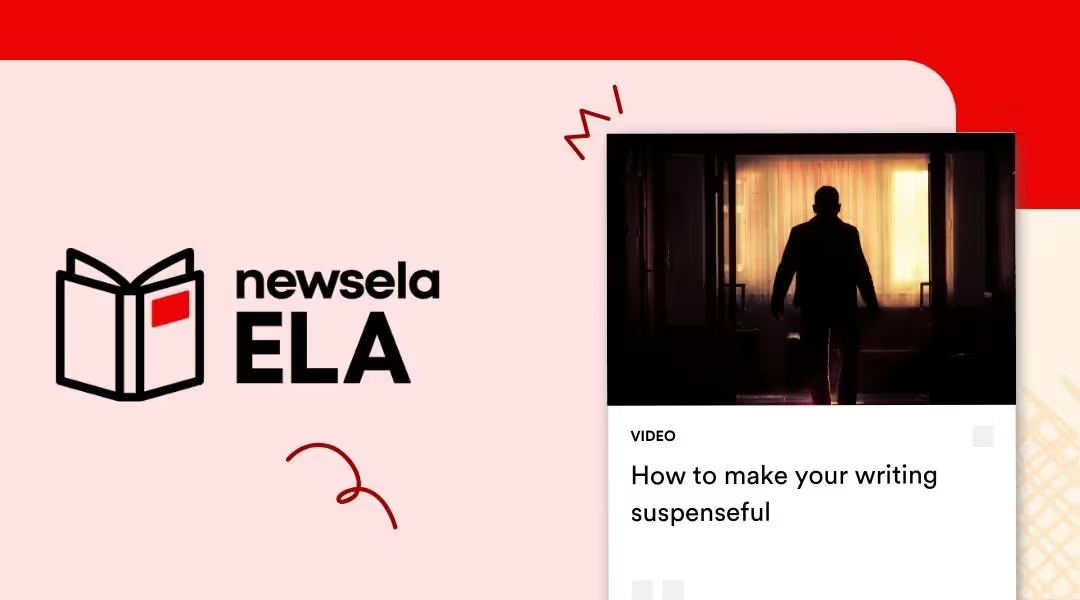
Writing skills develop with clear guidance and practice. These videos walk students through the writing process, from planning ideas to organizing and revising. This can help build stranger writing habits and confidence. Some videos in this collection include:
Drama allows students to experience literature through dialogue, performance, and character interaction. These videos help students explore how plays work while introducing dramatic techniques, performance traditions, and well-known theatrical works.
Understanding dramatic devices helps students see how playwrights build tension, reveal information, and shape audience experience. These videos introduce key elements of drama so students can better analyze plays and understand how stories unfold on stage. Some videos in this collection include:
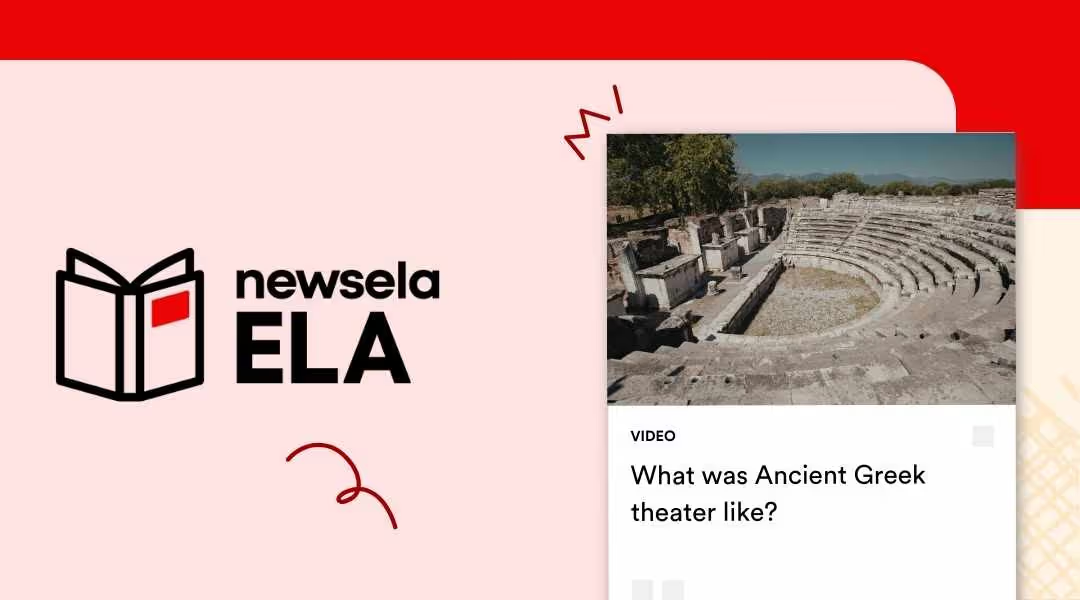
Learning about the history of theater can help students understand how dramatic storytelling has evolved over time. These videos explore influential theaters, important playwrights, and classic works that shaped the development of drama.
William Shakespeare’s plays remain some of the most studied works in literature. These videos introduce key themes, characters, and historical context to help students better understand Shakespeare’s language and the ideas behind his most famous works. Videos include:
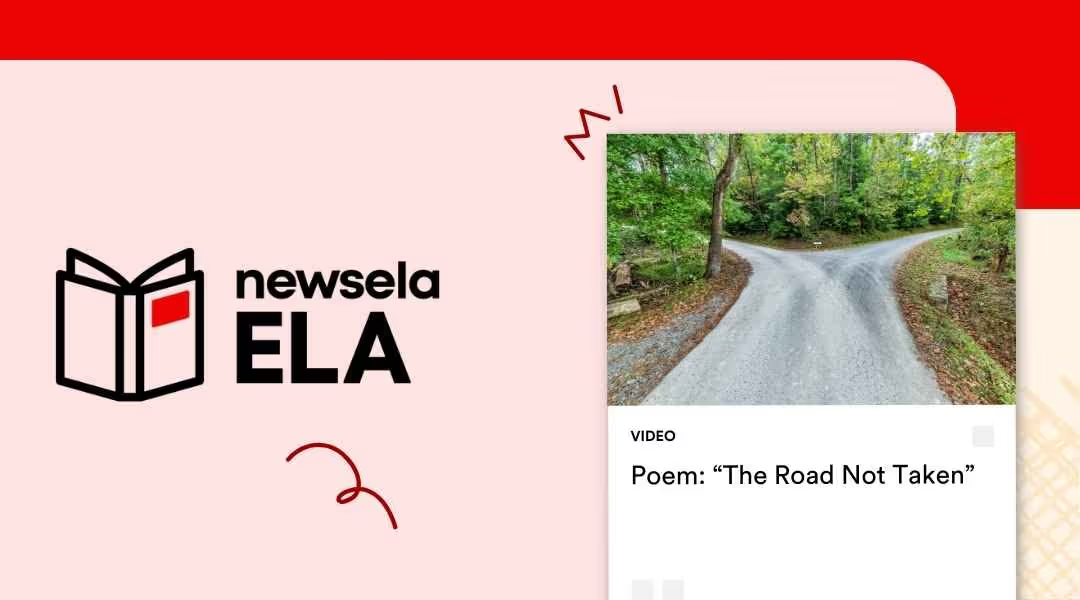
Poetry gives students a different way to experience language through rhythm, imagery, and sound. These videos help students explore how poets use structure and literary devices to express ideas and emotions in powerful ways. Some videos in this collection include:
Key takeaways:
Social studies videos can help students make sense of the world around them. Sometimes, a short video is the fastest way to build context before students read, discuss, or respond to a more complex topic.
With Newsela Social Studies, you can explore educational social studies videos for kids that support background knowledge, civic understanding, and real-world connections. These collections help students engage with history, geography, government, and current issues in ways that feel relevant and easier to grasp.
Building background knowledge helps students understand how historical events, geographic ideas, and civic principles shape the world. These videos introduce foundational topics that often appear in social studies lessons and give students helpful context before reading or discussion.
Some videos in this collection include:
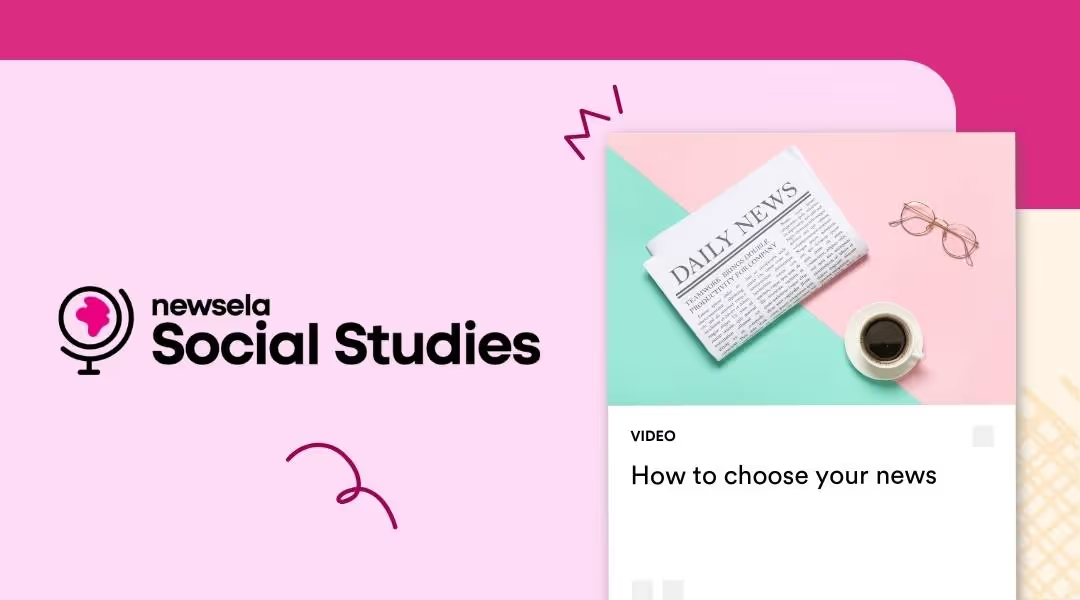
Social studies becomes more meaningful when students can connect what they learn to their own lives. These videos help students explore civic responsibilities, media literacy, and everyday decisions that relate to economics, government, and current events.
Some videos in this collection include:
Some social studies topics overlap with science, technology, and innovation. These videos help students explore how technology, population trends, and scientific developments influence history, society, and global relationships.
Some videos in this collection include:
Educational videos can be an engaging way to introduce new ideas, build background knowledge, and spark discussion in your classroom. Whether you’re teaching STEM concepts, exploring literature, or helping students understand history and current events, short videos can help make complex topics easier for students to understand and talk about.
With Newsela’s high-quality instruction products, you can explore hundreds of educational videos for kids, along with ready-to-teach lessons, standards-aligned texts, formative assessments, and classroom-ready activities designed to support deeper learning.
Not a Newsela customer yet? Sign up for an account to start your free 45-day trial and explore premium differentiated content, engaging formative assessments, and real-time data.

.avif)
Meet the Learning League in Newsela’s new Generation Genius ELA videos for grades K–5, with engaging characters and literacy-ready lessons.

Discover why it’s important for students to learn how to connect ideas in a text and tips to help them master this literacy skill.
.avif)
Explore the foundations of what multimodal learning is, what it looks like in practice, and why it’s important in today’s classrooms.



.jpg)
.jpg)