Products

 Products Overview
Newsela products are purpose-built to unlock student motivation, inspire teachers, and drive long-lasting learning outcomes.






Resources
About
Products OverviewNewsela products are purpose-built to unlock student motivation, inspire teachers, and drive long-lasting learning outcomes.
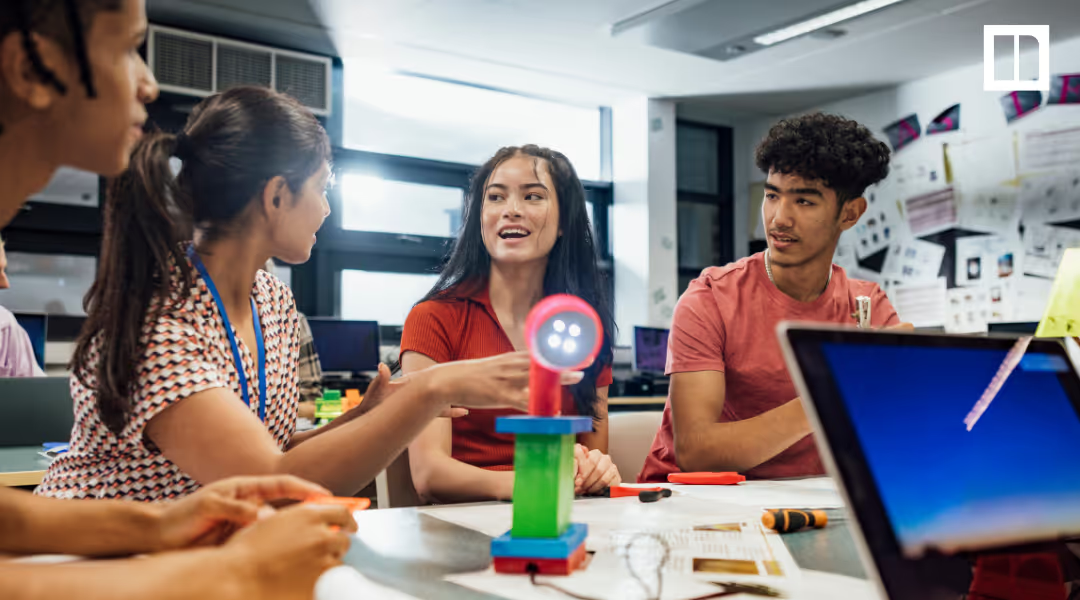
In today’s world, both children and adults come across a wide variety of media on a daily basis. (You’ve likely interacted with video, text, audio, visuals, and interactive media already today!) So, you may be wondering, are we really preparing students with the critical thinking skills to process all of this information, in all its various forms?
It takes different, overlapping skillsets to analyze and understand these various modes of communication. Multimodal learning is an increasing focus for many educators, policymakers, and researchers because multimodal instruction aligns with how the brain actually processes information.
In this blog, we’ll explore the foundations of what multimodal learning is, what it looks like in practice, and why it’s important in today’s classrooms.
Jump to:
Multimodal learning is an instructional approach that engages learners using multiple sensory modes and communication channels at the same time.
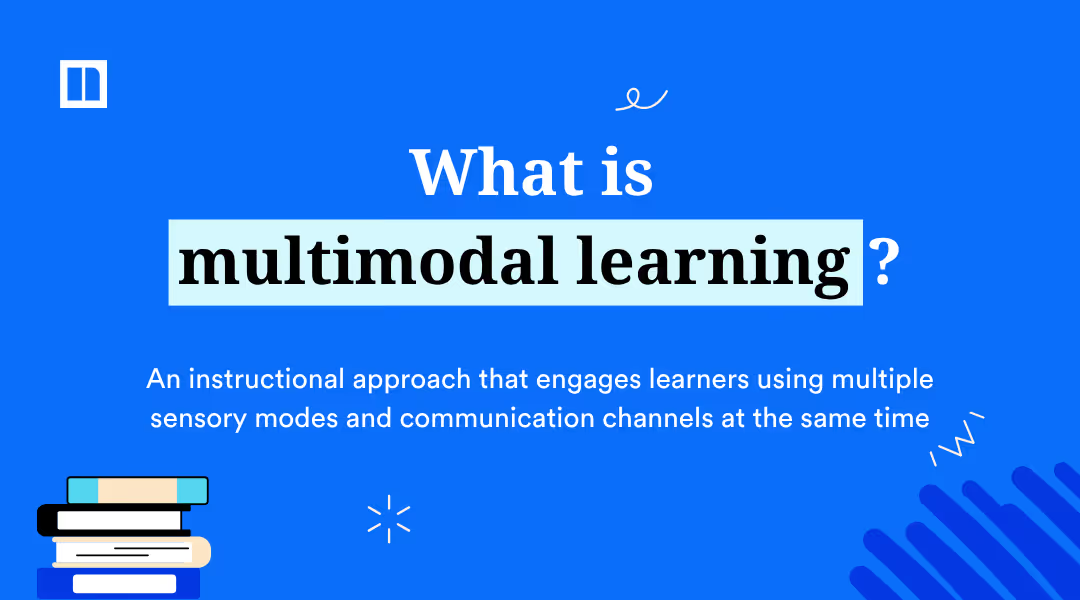
These “modes” can include text, visuals, audio, video, and interactive media—delivered in combination to support comprehension and knowledge building. For example, you might pair an article with an interactive dataset, a PhET simulation, or a hands-on activity. Or, you might watch an explainer video during whole-class instruction to introduce a new skill and then read a short story to deepen students’ understanding of the content.
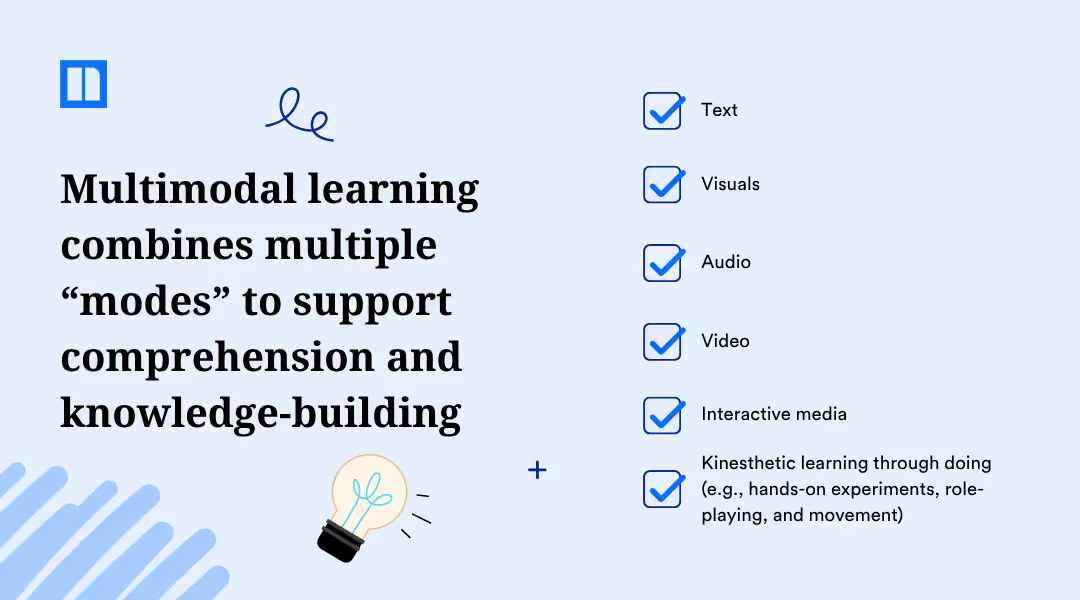
Research from Paivio (1986) and Mayer (2009) shows that learning can be strengthened when information is presented through complementary verbal and visual channels. These results are why you may hear discussions about the need for more multimedia or multimodal resources in classrooms.
While these concepts overlap, there are key differences between multimodal learning, multimedia learning, and multimodal literacy.
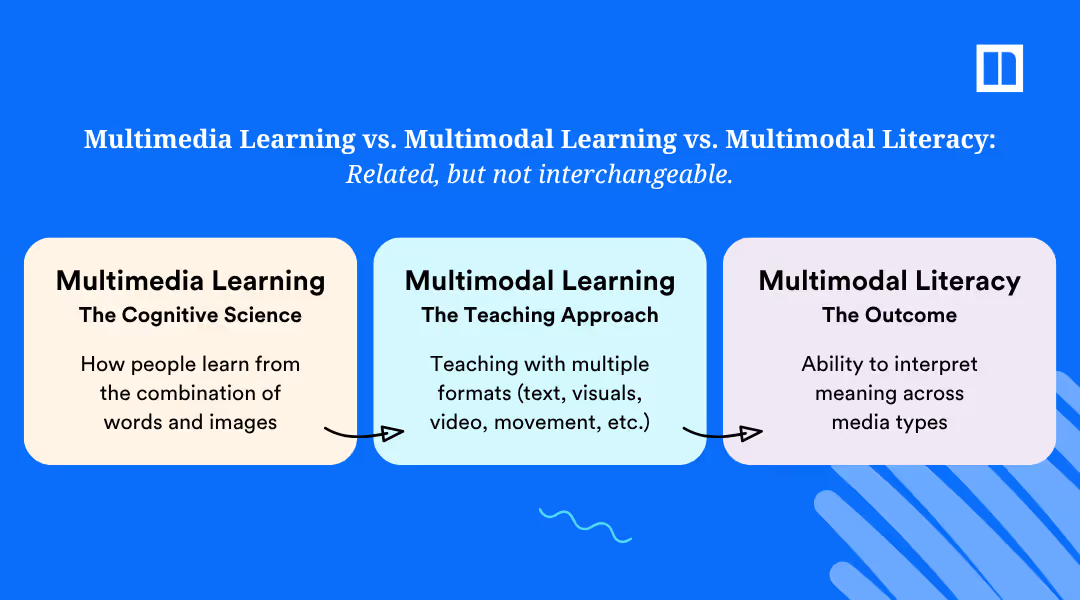
The research done under the multimedia learning framework helps educators implement effective instruction that builds multimodal literacy. Together, these ideas highlight why classrooms increasingly rely on multimodal learning experiences to prepare students for life beyond the classroom.
It’s no secret that students get excited about video content. It’s (often) more engaging and more accessible than other modes of learning. But simply showing a video to the class is not multimodal learning. Students need to engage with multiple modes of communication and content, paired thoughtfully together, for learning to truly stick.
Multimodal learning gives students multiple entry points and opportunities to engage deeply with concepts. It deepens learning, supports students’ diverse learning needs, and prepares them with the skills they need to understand the world around them. It’s no wonder that many states are adopting standards that require elements of multimodal learning.
Instead of relying on just one way of teaching—like only reading from a textbook—multimodal instruction mixes different methods (like words, images, sounds, and movement) to make concepts stick.
Research shows that engaging multiple senses reduces cognitive load, freeing up mental resources so students can process information more easily and dive into deeper levels of critical thinking. Combining modes also helps the brain to create stronger, more integrated memories.
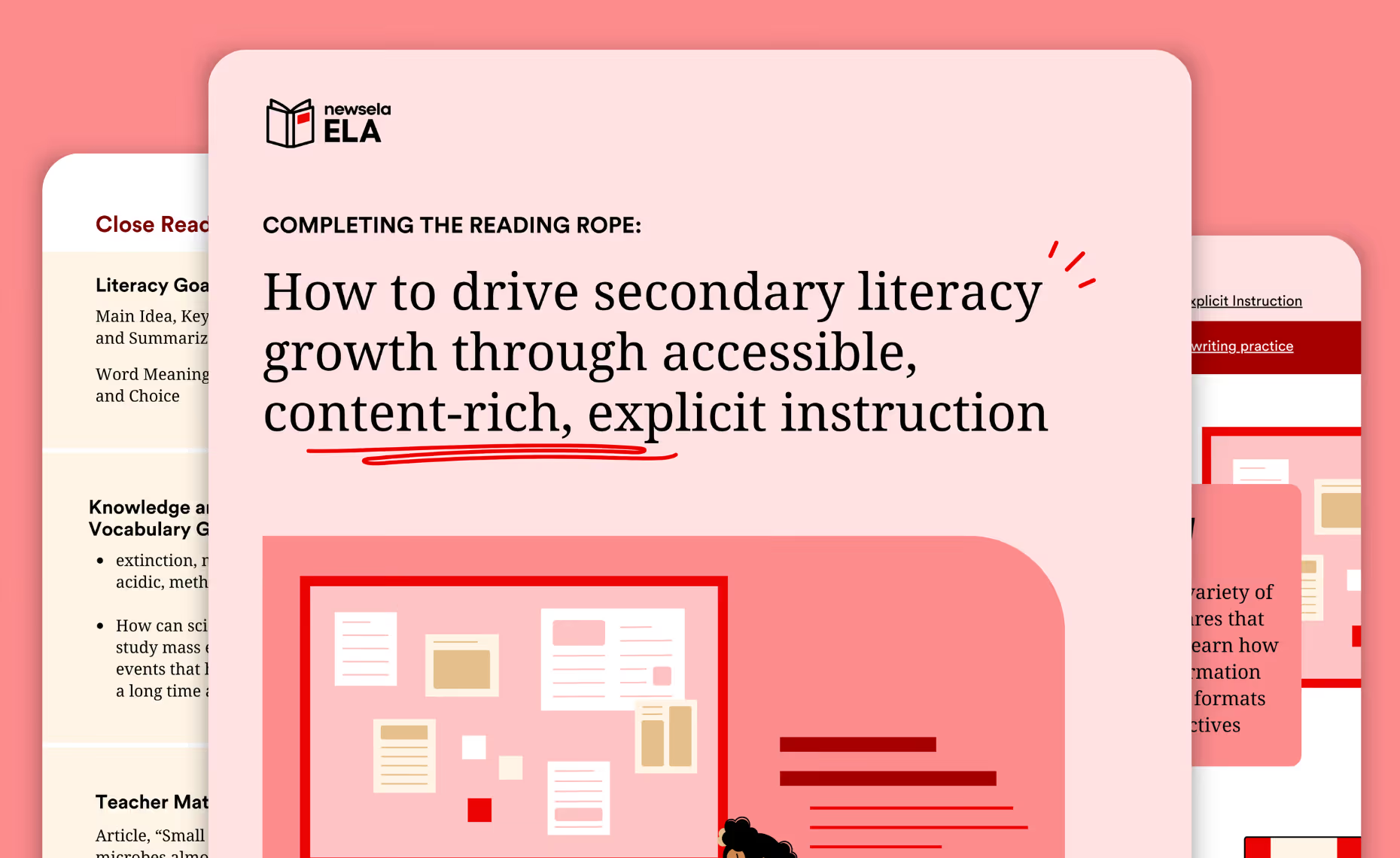
We all know that literacy is a major challenge facing today’s classrooms. Thankfully, there are many efforts across research, policy, professional development, and daily instruction to improve secondary literacy growth through accessible, explicit, content-rich instruction.
One thing that’s not always discussed, however, is that in today’s world, students need skills beyond text literacy to absorb the multimedia content they’re exposed to daily.
Today, students—just like adults—have to be able to interpret video, infographics, interactive media, data visualizations, and written text in their day-to-day information consumption.
This need for multimodal literacy is yet another reason educators and instructional designers continue to bring multimodal learning into the classroom.
Students learn at different rates, and they bring varied experiences and backgrounds to the classroom. One-size-fits-all instruction doesn’t work. Instruction is most effective when it builds on students’ strengths and targets their needs.
Another primary goal of multimodal learning is to cater to the diverse needs and preferences of all students, recognizing that individuals process information differently. By offering multiple entry points to access and interact with material, multimodal learning can help make instruction more inclusive, boost student engagement, deepen comprehension, and improve the long-term retention of information.
In other words, multimodal learning can empower all learners—including neurodivergent students, English Language Learners, and those with specific learning disabilities—to interact with material in a way that feels natural and effective for them.
With Newsela’s high-quality instruction products and add-ons, teachers can bring real-world, differentiated, multimodal resources into their lessons and give students daily practice building multimodal literacy.
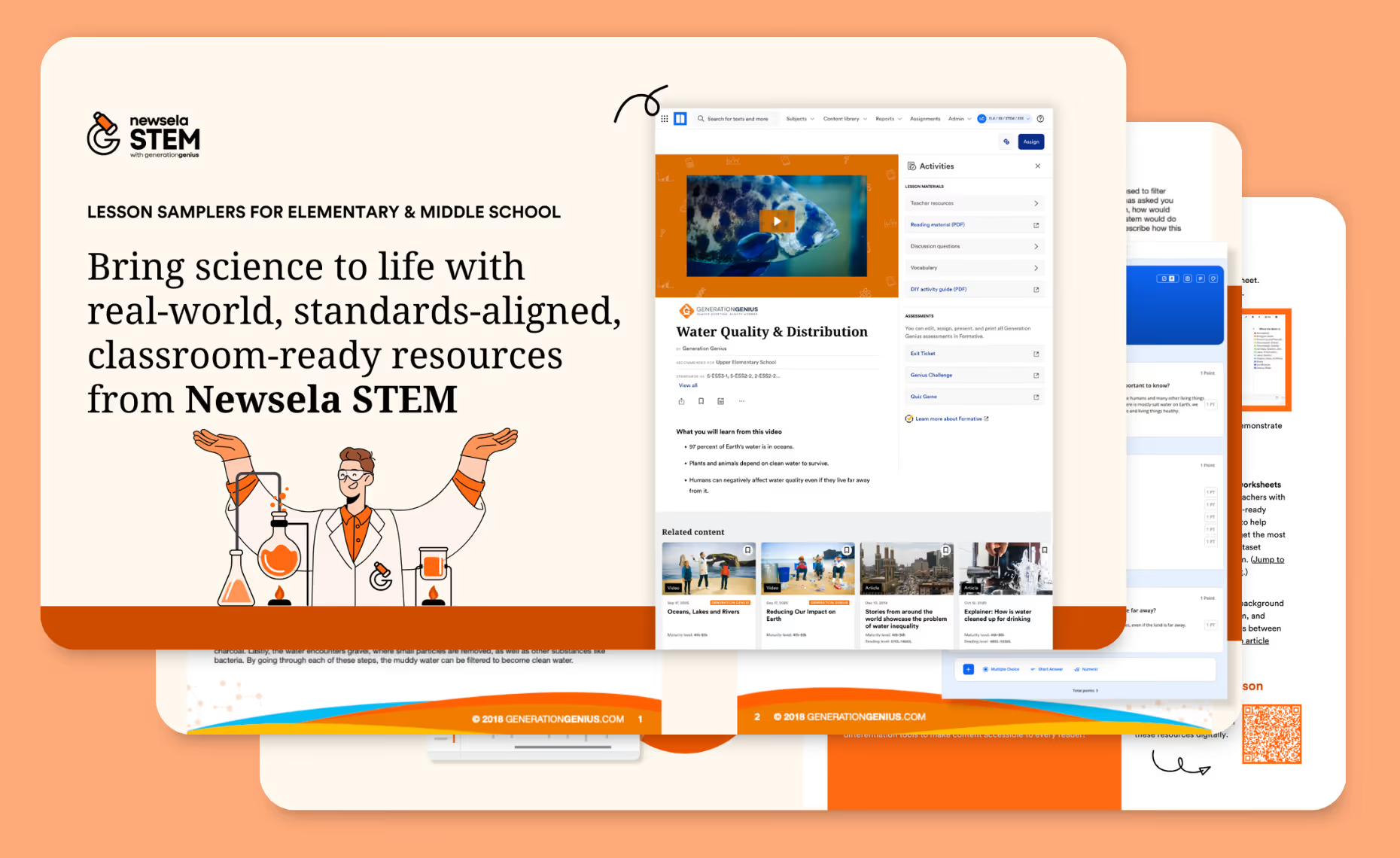
In addition to Newsela’s library of +18,000 differentiated, scaffolded texts, educators have access to an array of multimodal content. Our latest additions include PhET simulations, interactive TUVA data sets, and Newsela ELA’s Generation Genius ELA K-5 videos.
These content types, along with their supporting instructional materials, offer teachers a robust toolkit to develop skills and deepen comprehension for all learners.
If you’re ready to see how it works, reach out to our team or have your teachers start a free 45-day premium trial to explore Newsela’s multimodal resources with their students.

.avif)
Meet the Learning League in Newsela’s new Generation Genius ELA videos for grades K–5, with engaging characters and literacy-ready lessons.
Newsela announced today that the company has launched a new product: Newsela STEM.
.avif)
Discover educational videos for kids across STEM, ELA, and social studies. Find engaging classroom videos for K-12 students you can use right away.



.jpg)
.jpg)