
9/11 Activities for Social Studies and ELA

New York City skyline with 9/11 Tribute in Light memorial beams for social studies and ELA activities
August 11, 2026

At 8:46 a.m. ET on September 11, 2001, the history of the United States—and the world—changed forever. More than two decades later, we’re still trying to help our students understand what happened, why it mattered, and how people remember this day.

These 9/11 activities for students can support both social studies and ELA lessons. Use them to help students examine primary sources, read informational texts, and reflect on the lasting impact of September 11.

[Teach about the history of 9/11 with social studies activities](id-ss)

Key Takeaways

  • Start with what happened. Primary sources, speeches, videos, and news articles give students a shared factual foundation before they discuss impact or legacy.
  • Connect events to consequences. Help students trace how 9/11 shaped U.S. policy, security, and public memory instead of treating it as a single-day event.
  • Make reflection evidence-based. Ask students to highlight actions, responses, and impacts so discussions stay grounded in the texts.

Start with historical context, then help students connect the day’s events to their long-term impact. These social studies activities support close reading, discussion, and reflection with multimodal resources.

Look back at September 11, 2001

Create a shared timeline before asking students to reflect on impact. The “Lesson: 9/11” text set helps students evaluate how the events of 9/11 affected the United States and consider how they reshaped America.

As students read, have them use three highlight colors or annotation colors to separate the attacks, the U.S. response, and the impact on the American people. This structure keeps the activity grounded in evidence, especially when students are learning about a difficult topic with emotional weight.

Social Studies Resources

9/11 resources for building historical context

Resource Grade Level Reading Level/Runtime Spanish?
Famous Speeches: George W. Bush’s 9/11 Address to the Nation Speech 6–12 540L–1030L Yes
A History of the 9/11 Attacks Article 9–12 610L–1390L Yes
Opinion: Years after 9/11, how have students’ reactions changed? Article 9–12 510L–1270L Yes
America vows to “never forget” 9/11 Article 6–12 610L–1130L
Educating the next generation on 9/11 Video 6–8 3:49

Scroll left to right to see the full table.

Explore the legacy of 9/11

The “Legacy of 9/11” lesson helps students move beyond the timeline of September 11 and examine how the event changed daily life, public memory, and the United States’ role in the world. 

Students can use the lesson’s discussion questions, T-chart activity, and Write Prompt to compare short- and long-term consequences. This gives them a structured way to reflect on 9/11 as a turning point in modern history.

Social Studies Resources

9/11 resources for exploring legacy and impact

Resource Grade Level Reading Level Spanish?
Famous Speeches: George W. Bush’s 9/11 Address to the Nation Speech 6–12 540L–1030L Yes
A History of the 9/11 Attacks Article 9–12 610L–1390L Yes
Helping kids with questions about 9/11 Article 4–8 600L–980L
Twenty years after 9/11: We will live with the scars forever Article 6–12 620L–1150L
Coming-of-age after 9/11: Muslim millennials sense progress Interview 6–12 520L–910L

Scroll left to right to see the full table.

Review the aftermath of 9/11

Use this text set when students are ready to look at how the attacks shaped public response, remembrance, and ongoing conversations about national security. 

This is a good place to have students compare different kinds of evidence across multimodal resources like presidential speeches, commemoration stories, or articles about how the country remembers 9/11 today.

Social Studies Resources

9/11 resources for reviewing aftermath and remembrance

Scroll left to right to see the full table.

Find more 9/11 social studies lessons

Use these additional 9/11 activities when you want to connect September 11 to a larger unit on Modern U.S. history, the War on Terror, or government power.

These lessons work well after students understand the basic timeline of 9/11. They give the space to ask bigger questions about policy or how one event can shape the decades that follow.

Social Studies Lessons

More 9/11 social studies lessons

Lesson Description Sample Content
George Bush and the War on Terror Supports the question: How has the War on Terror shaped American society? Students assess the U.S. presence in the Middle East, evaluate the impact of 9/11, examine the invasions of Iraq and Afghanistan, and evaluate the Patriot Act.
  • U.S. Presence in the Middle East
  • 9/11
  • Iraq and Afghanistan: Endless Wars
  • Patriot Act and Expansion of Government Power
Into the 21st Century Focuses on the events, people, and decisions of the 21st century, including the recession, Supreme Court rulings, presidential elections, reform movements, and more.
  • A History of the 9/11 Attacks
  • The USA PATRIOT Act and the changes it brought about
  • The History of the War on Terror

Scroll left to right to see the full table.

[Remember and reflect on September 11 with ELA activities](id-ela)

Key Takeaways

  • Lead with care: ELA activities give students a structured way to ask questions, name emotions, and respond thoughtfully to a difficult topic.
  • Ground reflection in evidence: Articles, videos, and discussion prompts help students connect remembrance to specific details from the texts they read and watch.
  • Use literature for distance: Novel studies help students explore memory, identity, community, prejudice, and healing through characters’ experiences.

ELA activities can help students process September 11 through reading, writing, and literature. Use these resources to support thoughtful discussion, evidence-based reflection, and age-conscious classroom conversations. 

Address the September 11 anniversary in your classroom

Use this activity when you want a thoughtful way to introduce September 11 with upper elementary students. The lesson starts with what students already know and what questions they have, then uses reading, discussion, and art to help them reflect on the day’s immediate impact and memorials.

This is also a section where your judgment matters. Conversations about the September 11 attacks may be upsetting for some students, so choose resources with your class context in mind. You know your students best!

ELA Resources

September 11 anniversary resources for ELA

Resource Grade Level Reading Level/Runtime
George W. Bush: After September 11 Video 6–8 2:36
9/11: art from ashes Video 6–8 2:16
Helping kids with questions about 9/11 Article 4–8 600L–980L

Scroll left to right to see the full table.

Explore more ELA lessons for 9/11

Use these ELA lessons when you want students to analyze how people remember September 11 through multimodal resources and lenses. They work especially well when students are ready to move past understanding the facts into making meaning of how people commemorate, interpret, and respond to history.

For older students, the longer text set also gives you room to connect reading skills with reflection. Students can identify central ideas, compare how sources approach the same topic, and use evidence to explain how 9/11 changed American life.

ELA Lessons

More ELA lessons for September 11

Lesson Best For Description Sample Content
Remembering 9/11: Multimedia Analysis Suggested grades 3–12 Students watch a video and read an article to answer the focus question: How and why do people commemorate 9/11? The lesson supports evidence-based discussion, media comparison, and reflective writing.
  • America vows to “never forget” 9/11
  • 9/11: art from ashes
  • Comparing Media Graphic Organizer
Remembering and Understanding 9/11 By Michelle Bruno, PA High School English Teacher Middle school and high school
2–3 lessons, 45 minutes each
Students read about the events of 9/11, examine how the anniversary is commemorated, and make connections between life before and after September 11.
  • A History of Terror Attacks
  • Famous Speeches: President George W. Bush’s “Islam is Peace”
  • Vanished flag from famous 9/11 photo returns to ground zero

Scroll left to right to see the full table.

Use 9/11 novel and book studies

Novel and book studies can help students explore 9/11 through character, memory, identity, and point of view. They also give students some distance from the event itself, which can make difficult conversations feel more grounded and thoughtful.

Use these Novel and Book Studies when you want students to connect September 11 to bigger ELA themes.

ELA Novel Studies
9/11 novel and book studies

Novel Study Recommended Grade Band Description How To Use Sample Content Teacher Note
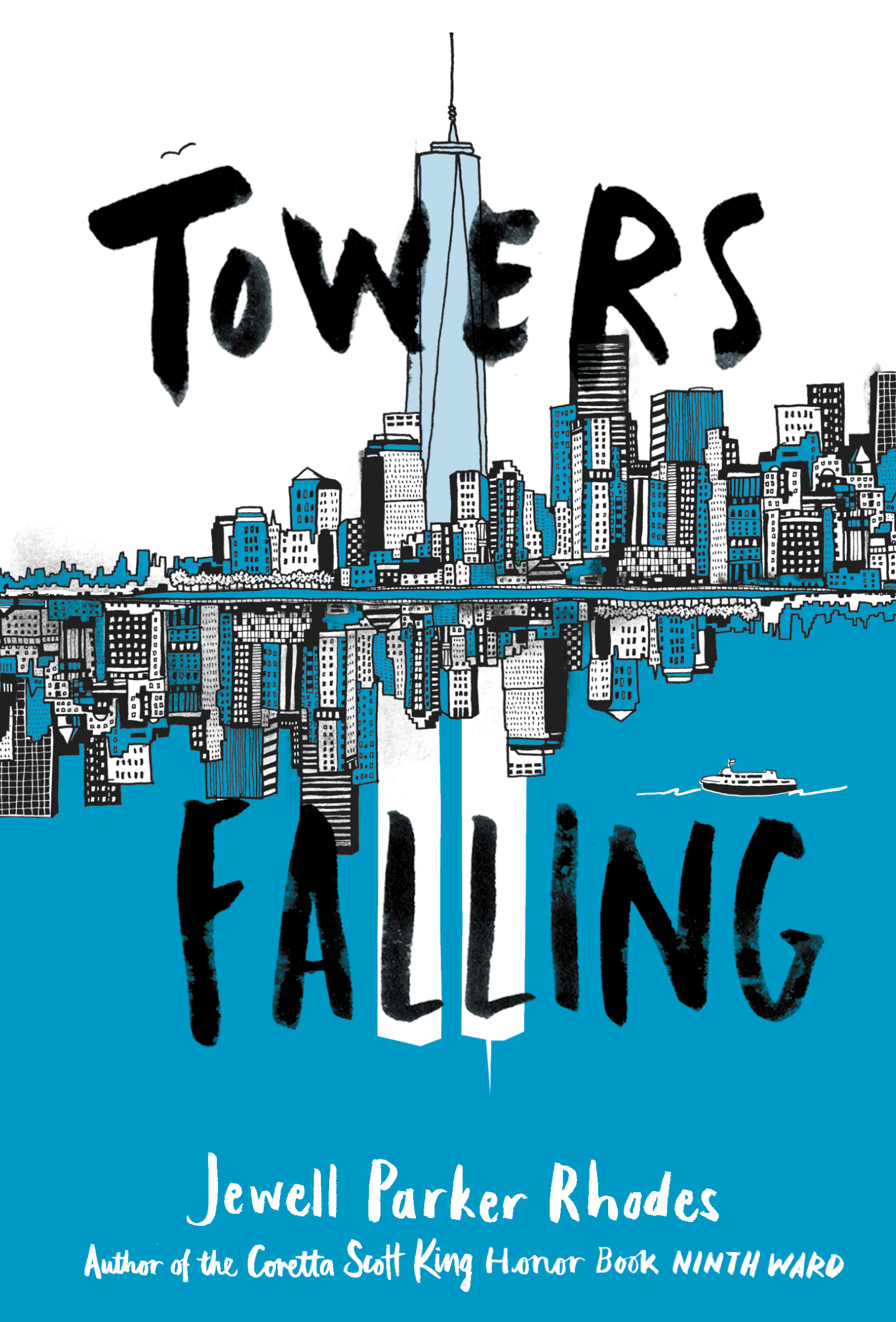
Towers Falling by Jewell Parker Rhodes Grades 5–7 Follows students who were not alive on 9/11 as they learn what happened and discover how the event still affects their families and community. Use the introductory task to build background on September 11, then connect the novel to shared history, family, community, and the value of remembering.
  • Students appreciate history after learning there’s more to the story
  • One town’s beacon of 9/11 kindness: Gander shines on
  • Helping kids with questions about 9/11
Preview for: 9/11 imagery, family trauma, homelessness, a parent’s anger connected to grief, and students who may have personal or family connections to September 11.
Ground Zero by Alan Gratz Grades 6–8 Connects the attacks of September 11 to the War on Terror, Afghanistan, fear, revenge, courage, survival, and the long reach of historical events. Use the opening task to define “ground zero,” build background knowledge, and help students track how past events continue to shape present actions.
  • Analysis: The September 11, 2001, attacks
  • A photographic journey through the Taliban’s takeover of Afghanistan
  • Twenty years after 9/11: “We will live with the scars” forever
Preview for: intense depictions of the Twin Towers, death, war violence, terrorism, weapons, Taliban violence, and students who may be sensitive to graphic historical trauma.
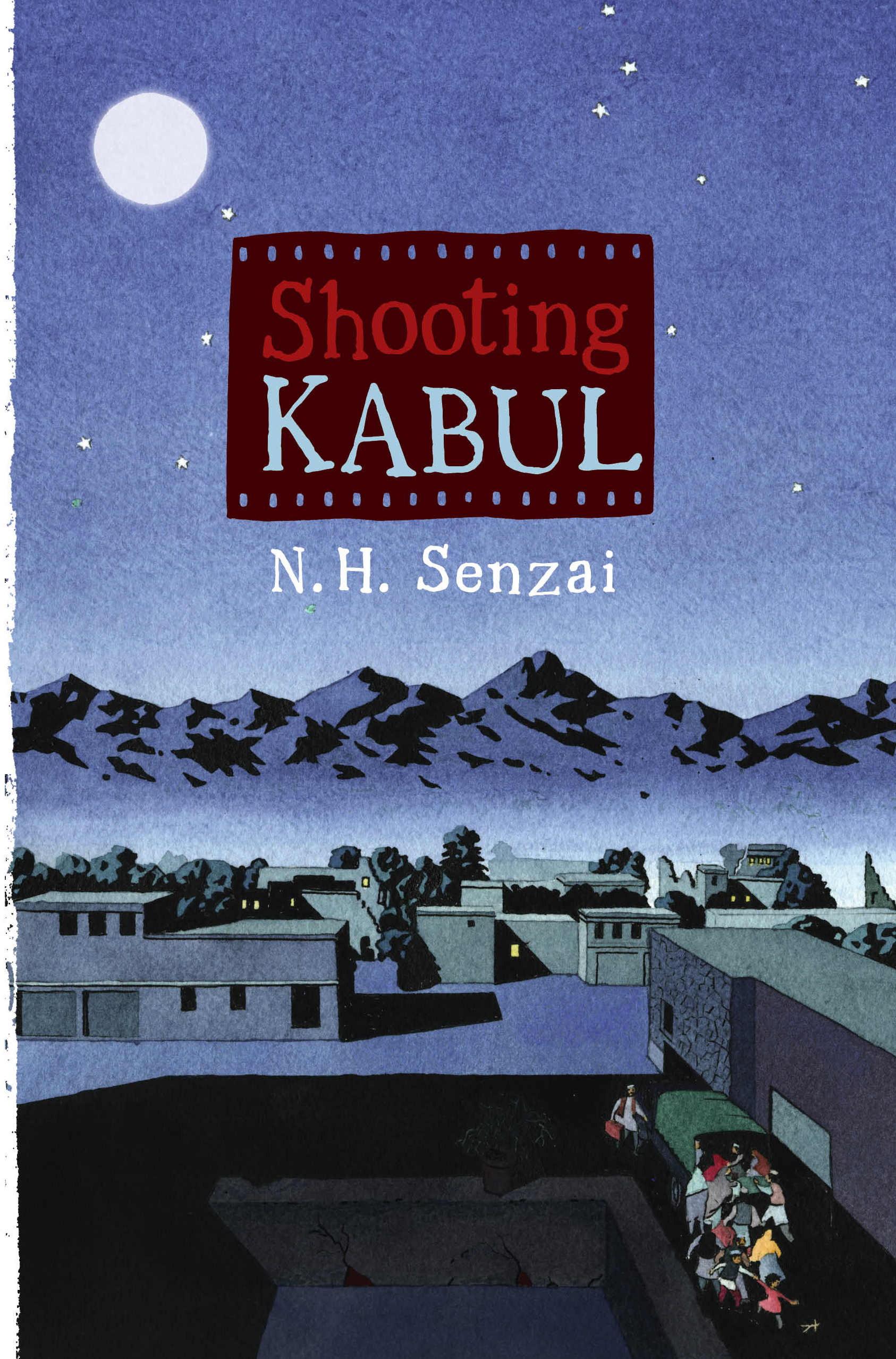
Shooting Kabul by N.H. Senzai Grades 5–8 Explores an Afghan American perspective on 9/11, refugees, family separation, Islamophobia, identity, and the relationship between Afghanistan and the United States. Have students preview the novel’s setting, read about the September 11 attacks, and track how the event affects Fadi and his family.
  • Analysis: The September 11, 2001, attacks
  • Portrait of an Iraqi immigrant couple and their children
  • Afghan artist paints Kabul’s walls of war to help heal city
Preview for: refugee trauma, family separation, Taliban oppression, anti-Muslim bullying, racist slurs, and post-9/11 violence against immigrants and Muslim communities.
A Very Large Expanse of Sea by Tahereh Mafi Grades 9–12 Discusses post-9/11 prejudice, Muslim American identity, stereotyping, harassment, family traditions, cultural connection, and first love. Begin with the prejudice-after-9/11 task, then connect Shirin’s experiences to nonfiction texts about Muslim American perspectives and discrimination.
  • Coming-of-age after 9/11: Muslim millennials sense progress
  • Q&A: Saadia Faruqi’s new novel explores racism against Muslims after 9/11
  • Prejudice and progress: Women with hijabs talk what it’s like to wear them
Preview for: Islamophobia, harassment, threats, attempted removal of a hijab, strong language, bullying, and teen romance.

Scroll left to right to see the full table.

Cover historical events in your classroom all year long with Newsela

Teaching about 9/11 can feel like a heavy responsibility. The right resources can help you give students the context they need, make space for thoughtful questions, and guide reflection with care.

The Newsela Learning Suite includes articles, primary sources, historical fiction novel studies, interactive videos, and so many more multimodal classroom resources you can use to teach about 9/11 and other historical events in your classroom.

If you’re not a Newsela customer yet, sign up for free and start your 45-day trial of our premium content to access everything you need to teach about 9/11 and other important topics in your classroom.

Newsela Lite Hero Hands

Everything you need to accelerate learning across ELA, social studies, and science

Create your free Newsela account

If you like this article...

Browse more educational and seasonal content from Newsela.
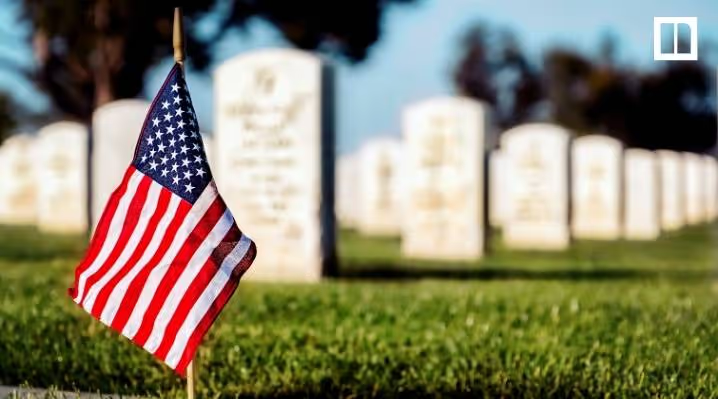
A close-up of a small American flag placed in the grass at a military cemetery, with rows of white marble headstones blurred in the sunlight background.
Blog

Memorial Day Projects for Students That Build Meaning

Use Memorial Day projects to teach meaning, history, and reflection with ready-to-use ELA and social studies activities for your classroom.

A close-up of a red poppy pin, a symbol of remembrance, attached to the lapel of a dark green military-style jacket. The background is muted and dark.
Blog

Try These Veterans Day Lesson Plans in Your Classroom

Discover how to address and remember Veterans Day in your classroom with these ELA and social studies lesson plans.

Lit sparkler in front of a blurred American flag.
Blog

Fourth of July Activities for Every Subject

Find Fourth of July activities for ELA, social studies, and STEM that help students explore U.S. history, identity, and seasonal science.

Related resources

Explore more in-depth content on the education topics that matter in your schools and classrooms.
No items found.

Inspire the desire to learn.

Ready to engage, support, and grow every learner?