Native American Heritage Month Facts for Classrooms

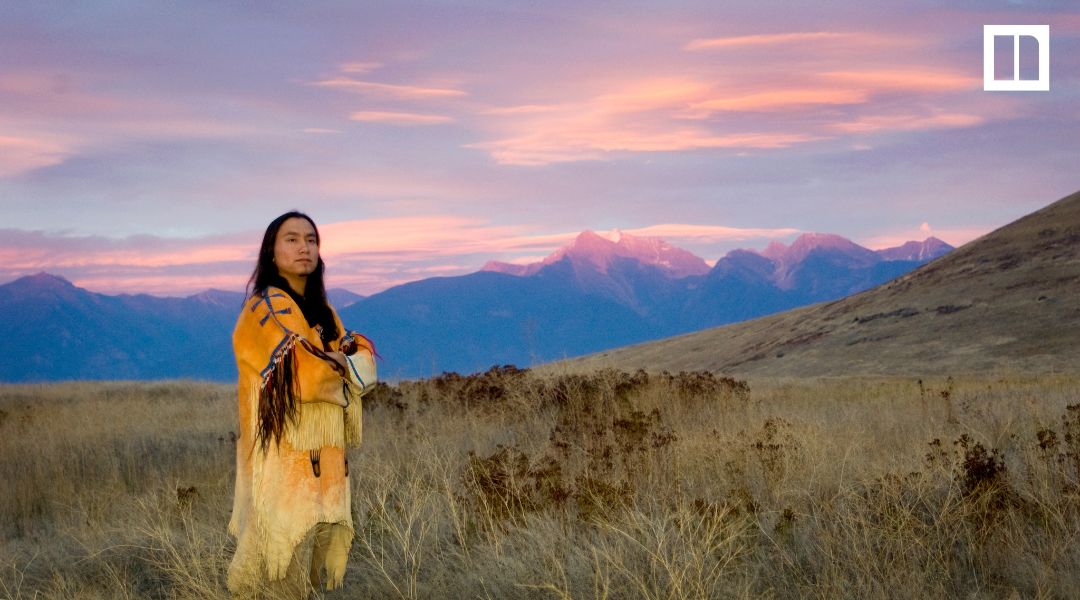
Person wearing a yellow fringed garment in a grassy mountain landscape at sunset, featured in a Native American Heritage Month social studies blog.
October 1, 2026

Native American Heritage Month facts are most useful when students can connect them to real people, places, sources, and stories.

That’s where social studies lessons give you room to go deeper. Students can compare Indigenous cultures across regions, read Native voices in primary sources, and examine how Indigenous communities shaped major moments in U.S. history.

Use these Newsela Social Studies resources to build lessons that fit what you’re already teaching and help students see Indigenous history as ongoing, not just a one-month celebration.

[Native American Heritage Month facts about indigenous cultures and traditions](id-culture)

Key Takeaways

  • ● Region matters. Students can compare how geography, resources, government, and traditions shaped different Native American cultures.
  • ● Teach culture in the present tense. Pair history with current stories about language, community, food, art, and ceremony so students don’t leave Indigenous cultures in the past.
  • ● Primary sources need time. Give students room to ask who created each source, what perspective it shows, and what context they need before drawing conclusions.

Native American Heritage Month facts land better when students can connect them to specific cultures, places, and sources. Use these resources to move from broad awareness into lessons about regional diversity, living traditions, and Indigenous voices.

What Native American cultures can students compare by region?

Start with a unit on Native American cultures by region when you want students to compare Indigenous cultures instead of flattening them into one story.

This unit is organized around East Coast, Central, West Coast, Alaskan, and Hawaiian cultural regions. Each topic helps students look at how geography, resources, language, government, traditions, and contemporary cultural practices shaped different communities. 

You can use one region with the whole class or assign different regions to small groups. Have students look for a few comparison points as they read:

  • How did the environment shape daily life?
  • What traditions or practices continued over time?
  • What stories, leaders, or examples help students understand this region more clearly?

Newsela Social Studies unit

Compare Native American cultures by region

Use this table to choose a regional topic for the whole class or assign different regions to small groups for comparison work.

Region topic What students can compare Sample topics
East Coast Cultural Region Topic Students can compare Eastern Woodlands and Southeast tribes by looking at government, social order, cultural traditions, and historical leaders.
  • Eastern Woodlands Native Americans
  • Eastern Woodlands: Myths, Leaders, Great Cities
  • Innovative Youth
  • Southeast Native Americans
  • Mounds & A Bridge-Building Leader
Central Cultural Region Topic Students can compare the Great Plains, Southwest, and Great Basin regions through foodways, shelter, stories, resources, and traditions.
  • Great Plains Native Americans
  • Sioux & Shoshone Stories
  • Sacred Animals Of The Great Plains
  • Great Basin Native Americans
  • Southwest Native Americans
  • Preserving The Navajo Language
West Coast Cultural Region Topic Students can compare how Plateau, Northwest Coast, and California Native American communities connected culture to land, water, language, and tradition.
  • Plateau Native Americans
  • Way of Life On The Plateau
  • The Cree Language in the 21st Century
  • California Native Americans
  • Life On The Ocean
  • Symbolism In The Northwest
Alaskan & Hawaiian Cultural Regions Topic Students can compare Native Alaskan and Native Hawaiian communities by looking at environment, climate, culture, preservation, and modern influences.
  • Alaskan Native Americans
  • Honoring & Preserving Arctic Culture
  • Changing Arctic Home
  • Native Hawaiians
  • Native Hawaiian Modern Culture
  • Perspectives On “Moana”

Scroll left to right to see the full table.

How do Indigenous communities preserve culture and traditions today?

Use this lesson when you want students to see Indigenous culture as present-day, lived, and connected to the community. They can read about language preservation, museum work, traditions tied to the natural world, and how communities keep knowledge moving across generations.

This text set also gives students something to do with what they read. They can write about why heritage months matter, reflect on their own family traditions, or explain why traditions are worth continuing.

Newsela Social Studies text set

Resources for celebrating Indigenous culture and traditions

Choose a group based on the part of Indigenous culture and tradition you want students to explore first.

Community, celebration, and representation 4 resources

Scroll left to right to see the full table.

Language and place-based learning 4 resources
Traditions, foodways, and environment 6 resources

What can primary sources teach students about Indigenous voices?

Primary sources give students a way to study letters, speeches, memoirs, and documents that show how Native leaders and communicators described their own experiences.

This primary source text set also gives students analysis questions they can use across sources, including how a source addresses identity, culture, or society, and how it changes their understanding of a time period or event.

Newsela Social Studies text set

Primary sources from Native American and Indigenous voices

Open a source type to choose letters, speeches, documents, or memoirs students can analyze during Native American Heritage Month.

Letters and documents 6 resources

Scroll left to right to see the full table.

Speeches 6 resources

Scroll left to right to see the full table.

Memoirs 4 resources
Memoirs resources
Resource Reading Level Spanish?
Algonquin Native American attacks French superiority Memoir ✓ Yes
King Philip’s Complaints About English Colonists Memoir 560L–1400L ✓ Yes
Dorothy Almonjuela: Growing up Squamish Memoir 430L–930L ✓ Yes
Powhatan Exchanges Views with Captain John Smith, 1608 Memoir 530L–1320L ✓ Yes

Scroll left to right to see the full table.

[Native American Heritage Month facts about leaders, advocacy, and contributions](id-leaders)

Key Takeaways

  • ● Leadership can look different across lessons. Students can study elected office, sports, inventions, youth activism, and military service instead of treating leadership as one job title.
  • ● Give students an action to track. As they read, ask them to name the goal, the barrier, and the evidence of impact.
  • ● Advocacy needs context. Land rights, voting rights, tribal recognition, and veterans’ experiences make more sense when students connect the issue to history, policy, and community.

Use these resources when you want students to study leadership as action. Public service, athletics, innovation, and advocacy all fall in this category. The resources keep them looking at what people did, what changed, and what questions are unanswered.

Who are influential Native Americans students can learn about?

This text set works well when you want students to connect Native American Heritage Month facts to people, communities, and accomplishments.

They can start with the diversity of Indigenous nations, then move into examples like the Mohawk Skywalkers, Navajo Code talkers, or Alaskan seaweed farming. The lesson path also gives students a few response options, such as a presentation, speech, or writing prompts about what we can learn from different cultures.

Newsela Social Studies text set

Resources about influential Native Americans and Indigenous communities

Open a lesson group to choose resources students can use to study Indigenous Nations, major accomplishments, and modern contributions.

Diversity of Indigenous Nations 12 resources
Diversity of Indigenous Nations resources
Resource Reading Level / Runtime Spanish?
Native American History: Diversity among the tribes Article 380L–960L
Native American Cultures: The Northeast Indigenous Group Profile 600L–1200L ✓ Yes
Native American Cultures: The Southeast Indigenous Group Profile 580L–1270L ✓ Yes
Native American Cultures: The Great Plains Indigenous Group Profile 580L–1080L ✓ Yes
Native American Cultures: The Great Basin Indigenous Group Profile 560L–1270L ✓ Yes
Native American Cultures: The Southwest Indigenous Group Profile 540L–1270L ✓ Yes
Native American Cultures: The Plateau Indigenous Group Profile 570L–1270L ✓ Yes
Native Americans of California and Baja California, Mexico Indigenous Group Profile 590L–1270L ✓ Yes
Native American Cultures: The Northwest Coast Indigenous Group Profile 600L–1280L ✓ Yes
Native American Cultures: Alaska Indigenous Group Profile 550L–1290L ✓ Yes
Native American Cultures: The Hawaiian Islands Indigenous Group Profile 560L–1430L ✓ Yes

Scroll left to right to see the full table.

20th-century accomplishments 2 resources
20th-century accomplishments resources
Resource Reading Level / Runtime Spanish?
How Mohawk “Skywalkers” helped build New York City’s tallest skyscrapers Article 590L–1330L
The Navajo code talkers played crucial role during World War II Article 390L–1040L ✓ Yes

Scroll left to right to see the full table.

Modern contributions 4 resources

Scroll left to right to see the full table.

How have Native American leaders and trailblazers shaped public life?

Use the Native American leaders and trailblazers text set when you want students to see how leadership works in more than one setting. They can read about Indigenous people in elected office, sports, and innovation careers.

The lesson path also asks students to do something with what they learn: Research a leader, write a biography, create a social media post for a cause, or imagine an invention of their own.

Newsela Social Studies text set

Resources about Native American leaders and trailblazers

Open a lesson group to choose resources about public service, sports, youth leadership, and innovation.

Government leaders 5 resources
Leading in sports 6 resources
Youth leaders 2 resources
Youth leaders resources
Resource Reading Level / Runtime Spanish?
Indigenous youth take global stage in Madrid to voice climate change worries Article 560L–1400L ✓ Yes
Her tribal regalia was banned at graduation, so she worked to change the law Article 580L–1350L

Scroll left to right to see the full table.

Leading in innovation 3 resources
Leading in innovation resources
Resource Reading Level / Runtime Spanish?
The Skidi Star Chart: Native American horoscope par excellence Video 1:35
Indigenous American inventions commonly used today Article 570L–1550L ✓ Yes
How the Lakota tribe understands the stars in the sky Explainer 470L–1230L

Scroll left to right to see the full table.

How have Indigenous communities advocated for rights and recognition?

Use this text set when you want students to connect advocacy to issues like land and voting rights, tribal recognition, the census, and environmental action. The lesson path provides great projects and activities, like comparing sources or making a poster that explains advocacy in their own words.

Newsela Social Studies text set

Resources about Indigenous advocacy, rights, and recognition

Open a lesson group to choose resources about advocacy, land rights, voting rights, tribal recognition, and Native-led change.

Advocacy and advocates 5 resources

Scroll left to right to see the full table.

Land, parks, and treaty rights 7 resources
Voting, census, and tribal recognition 5 resources

Scroll left to right to see the full table.

What can students learn from Indigenous veterans’ experiences?

Use this Indigenous veterans lesson when you want students to study both military service and veteran treatment. They’ll read about Native American veterans honored at the National Mall and Navajo code talkers who needed new homes. Then they’ll use evidence to answer the question: How has the U.S. government treated Indigenous veterans?

This lesson gives students a clear comparison task. They highlight details about Indigenous Americans’ military service in one color and details about the U.S. treatment of Indigenous veterans in another. From there, they can organize evidence, discuss their thinking, and build a short presentation that makes a supported judgment.

Mini lesson plan: Indigenous veterans’ experiences

Use this structure to help students compare military service, government treatment, and evidence from paired texts.

Lesson goal Students assess the experiences of Indigenous veterans and use text evidence to explain how the U.S. government has treated them.
Setup

Start with a class brainstorm about the ways communities honor veterans, then ask students what they think is the best way to thank veterans for their sacrifices.

Student task

Assign both articles. As students read, have them highlight details about Indigenous Americans’ military service in one color and details about the U.S. treatment of Indigenous veterans in a second color.

Check for understanding

Use the Paired Text Analysis to help students organize notes and answer: How has the U.S. government treated Indigenous veterans?

Assessment and reflection

Have students give the U.S. government an overall grade from A to E and justify it with details from the articles. Close with the exit ticket: If you were in a position of power, what changes would you make to the treatment of Indigenous veterans?

Key terms
  • Indigenous: People who originate from a particular place
  • Navajo Code Talker: Native Americans employed by the U.S. military to use their native language to communicate in code during World War II
  • Veteran: Anyone who has served in the military

[Native American history lessons for social studies classrooms](id-history)

Key Takeaways

  • ● Context comes before conflict. Give students time with Native societies, governments, and regional differences before they analyze European contact, treaties, and violence.
  • ● Use more than one kind of source. Articles, maps, primary sources, videos, and paired texts help students compare perspectives instead of relying on one account.
  • ● Keep asking who is affected. Westward expansion and war lessons work best when students track not just what happened, but how decisions affected Native nations and communities.

Use these resources when students need historical context for Native American Heritage Month. These lessons look at early Native societies, westward expansion, and key wars and battles to see how they impacted each changing era.

How did Native American societies respond to early European contact?

Use this unit when students need a more complete path into early U.S. history. The resources start before European arrival, then move into Native societies, government systems, trade, treaties, and conflict.

This is a useful way to keep the lesson from becoming just a story about colonization. Students will build context about Native societies, then examine how different communities experienced and responded to European traders, settlers, and power. 

Newsela Social Studies text set

Lessons on Native American experiences in the early United States

Use this sequence to help students build context before they analyze trade, treaties, conflict, and Native resistance.

Supporting question

How did diverse Native American societies experience and respond to the arrival and conquest of Europeans?

Lesson Question to keep in mind Sample resources
The First Americans: Migration and Settlement of Native Americans How did humans first settle across North America?
  • History of the Land Bridge Theory
  • Oldest skeletal remains in Americas to be reburied
  • Kennewick Man’s DNA reveals he was a Native American, study says
Diversity of Native American Societies What factors influenced Native societal structures?
  • Peoples and cultures of early North America
  • Indigenous groups in the United States [Video]
  • Indigenous North American tattoos [Video]
Native Government Systems How were Native societies governed? How did those governments interact with each other?
  • How do Native American governments function?
  • The League of the Iroquois Created a Unique Social Order of Many Nations
  • Wabanaki governing systems
  • The government and social structure of Mississippian peoples
Native American Trade and Treaties with Europeans How did Native Americans and European colonists interact through trade and treaties?
  • French relationships with Native Americans
  • Primary Sources: Algonquin Native American attacks French superiority
  • Image Bank: The fur trade and beaver hats
Colonial Violence and Native Resistance How did English settlers interact with Native Americans? How did Native Americans respond to settler violence?
  • Famous Speeches: Chief Minavana warns the English against taking Indigenous land, 1761
  • The New England colonies and Native Americans
  • The Colonial Virginia frontier and Native American diplomacy

Scroll left to right to see the full table.

How did westward expansion affect Native American communities?

Use the westward expansion and Native Americans lesson when you want students to examine topics like U.S. government policy, primary source perspectives, and long-term effects on Indigenous communities. 

This is a good place to ask students to track cause and effect. As they read, have them name the policy or event, identify who was affected, and use evidence to explain the impact on Indigenous nations and communities.

Newsela Social Studies lesson

Resources about westward expansion and Native American communities

Open a group to choose informational texts or primary sources about removal, U.S. policy, land, and the effects of westward expansion.

Informational texts and explainers 6 resources
Informational texts and explainers about westward expansion
Resource Reading Level / Runtime Spanish?
How Native American enslavers complicate the Trail of Tears narrative Article 600L–1350L ✓ Yes
A short history of the U.S. government’s relationship with Native Americans Article 560L–1320L ✓ Yes
Where the Buffalo no Longer Roamed Article 570L–1370L ✓ Yes
“We are still here”: Indigenous Americans fight to be counted in U.S. census Article 610L–1260L ✓ Yes
Opinion: Half the land in Oklahoma could be returned to Native Americans Article 600L–1270L ✓ Yes
Expansion and Reform: The Indian Removal Act Explainer 550L–1220L ✓ Yes

Scroll left to right to see the full table.

Primary sources on removal and response 5 resources
Primary sources about removal and response
Resource Reading Level / Runtime Spanish?
Primary Sources: Letter to Congress from Cherokee Chief John Ross Letter 390L–1290L ✓ Yes
Primary Sources: Andrew Jackson’s Letter to the Cherokee Letter 650L–1270L ✓ Yes
Primary Sources: A Soldier’s Account of the Cherokee Trail of Tears Letter 560L–1280L ✓ Yes
Time Machine (1838): The Cherokees and the Trail of Tears Petition 550L–1350L ✓ Yes
Primary Sources: Andrew Jackson’s Message “On Indian Removal” Speech 600L–1360L ✓ Yes

Scroll left to right to see the full table.

How did Native Americans participate in the Seven Years' War?

Dig into this lesson when students need to connect the French and Indian War to Native nations, diplomacy, land, and power struggles. Resources include texts about French relationships with Native Americans, territorial changes after the war, battle maps, and more 

This lesson focuses on the French and Indian War. It includes texts about the war, its causes and its consequences.

Newsela Social Studies text set

Resources about Native American participation in the Seven Years’ War

Use these resources to help students examine the French and Indian War, its causes, and its consequences for Native American communities.

Scroll left to right to see the full table.

What roles did Indigenous peoples play in the American Revolution?

Many Native Americans tried to stay neutral in the conflict between Britain and the American colonies. Over time, many sided with the British because they saw an independent United States as a threat to their freedom and way of life. 

This lesson asks students to examine those choices, then connect participation in the war to the events that came before and and the consequences that came after.

This lesson works well as a paired-text analysis because students track three related ideas:

  • Interactions with the colonies.
  • Native American involvement in the Revolutionary War.
  • The impact of the war’s outcome on Native Americans.

Mini lesson plan: Indigenous peoples in the American Revolution

Use this structure to help students examine Native American participation, perspective, and consequences during the Revolutionary War.

Lesson question How and why did Native Americans participate in the American Revolution?
Setup

Play “Untold stories of the Revolutionary War” from 1:15 to the end, or play the full video as a review. Ask students how the war affected some Native American societies and why perspective matters when people retell Revolutionary War stories.

Student task

Assign both articles. In the first article, students highlight information about interactions between Native Americans and the American colonies. In the second article, students highlight Native American involvement in the war in one color and the war’s impact on Native Americans in another.

Check and assess

In small groups, have students identify colonial and Revolutionary period events that affected Native American participation in the war. Then have students complete the Paired Text Analysis using the question: How did events before and during the Revolutionary War impact Native American participation in the war?

Reflection

Close with a custom write prompt: How did the American colonists justify their decision to take over Native American land at the conclusion of the war? How do their actions toward Native Americans relate to the founding ideals and ideas expressed in the Declaration of Independence?

Key terms
  • Cherokee Nation: A sovereign Indigenous government and people located in the southeastern woodlands of the United States
  • Haudenosaunee (Iroquois): A confederacy of six Indigenous nations, including the Mohawk, Onondaga, Oneida, Cayuga, Seneca, and Tuscarora, located primarily in the northeastern United States
  • Royal Proclamation of 1763: A proclamation by King George III that transferred French territory in North America to Great Britain after the French and Indian War

Bring Native American Heritage Month into your social studies lessons with Newsela Learning Suite

Native American Heritage Month facts can help students do more than remember a calendar date. They can compare Native American cultures by region, study Indigenous voices in primary sources, learn from leaders and advocates, and connect major moments in U.S. history to their effects on Native nations and communities.

Start with the question that fits your unit, then choose the resource that gives students the right kind of evidence. You don’t have to cover everything at once. Just make sure students build a clearer, more specific understanding of Indigenous history, culture, leadership, and contributions.

With Newsela Learning Suite, you can keep building those connections throughout the year across ELA, social studies, STEM, and writing. If you’re not a Newsela customer, sign up for free. Then, you can start your 45-day trial of premium content to access everything you need to teach about nearly any Heritage Month, historical event, or holiday in your classroom.

Newsela Lite Hero Hands

Everything you need to accelerate learning across ELA, social studies, and science

Create your free Newsela account

If you like this article...

Browse more educational and seasonal content from Newsela.
Black-and-white portrait of a woman with long hair and beaded jewelry holding a hand above her brow, featured in a Native American Heritage Month blog.
Blog

Native American Heritage Month Lesson Plans for November

Plan Native American Heritage Month lessons with poems, stories, paired texts, and activities that center Indigenous voices.

Colorful blankets with geometric patterns displayed in rows, featured in a Native American Heritage Month books blog for K–12 ELA.
Blog

Native American Heritage Month Books for K–12 ELA

Find Native American Heritage Month books and paired Newsela ELA resources for elementary, middle school, and high school lessons.

Two women wearing colorful patterned clothing stand together indoors, featured in a Native American Heritage Month STEM education blog.
Blog

Teach Native American Contributions in STEM

Help students explore Native American contributions in STEM through Newsela science resources on scientists, conservation, space, and heirloom seeds.

Related resources

Explore more in-depth content on the education topics that matter in your schools and classrooms.
No items found.

Inspire the desire to learn.

Ready to engage, support, and grow every learner?