
Products

 Products Overview
Newsela products are purpose-built to unlock student motivation, inspire teachers, and drive long-lasting learning outcomes.









Resources
About
Products OverviewNewsela products are purpose-built to unlock student motivation, inspire teachers, and drive long-lasting learning outcomes.
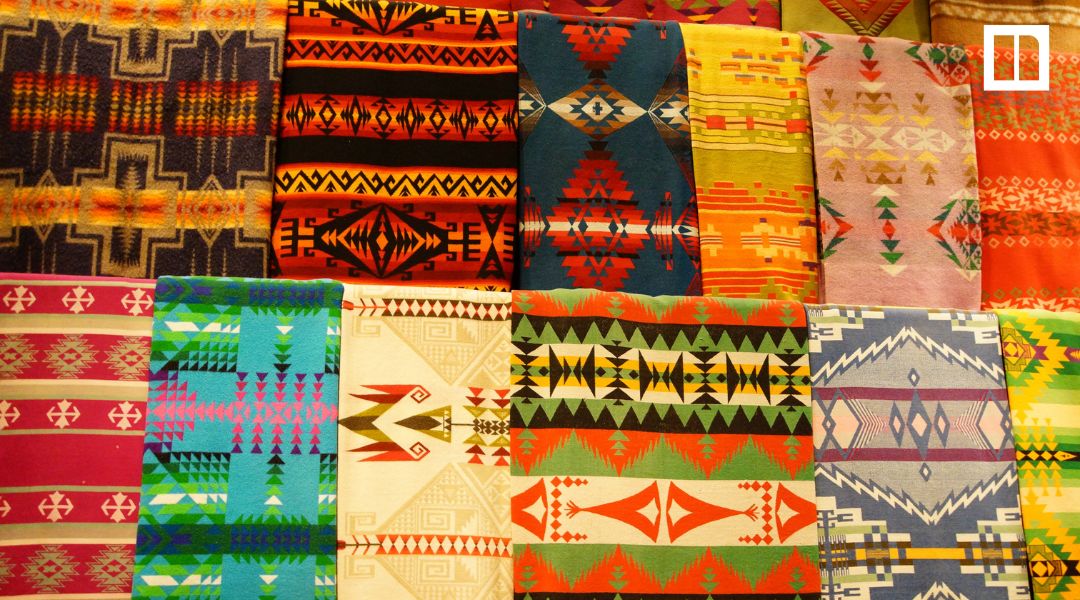
Native American Heritage Month is a great time to bring Indigenous histories, cultures, voices, and contemporary experiences into your ELA classroom through shared reading.
To help you plan, check out these Native American Heritage Month book selections for elementary, middle school, and high school grade bands. Each Novel or Book Study includes paired resources you can use to build background knowledge, explore essential questions, support discussion, and extend learning with writing activities.
For elementary readers, Native American Heritage Month books can help students connect history, culture, identity, community, and the natural world to the stories they read. These Novel and Book Studies give you paired resources to build background knowledge, guide discussion, and extend literary analysis through writing at an age-appropriate level.
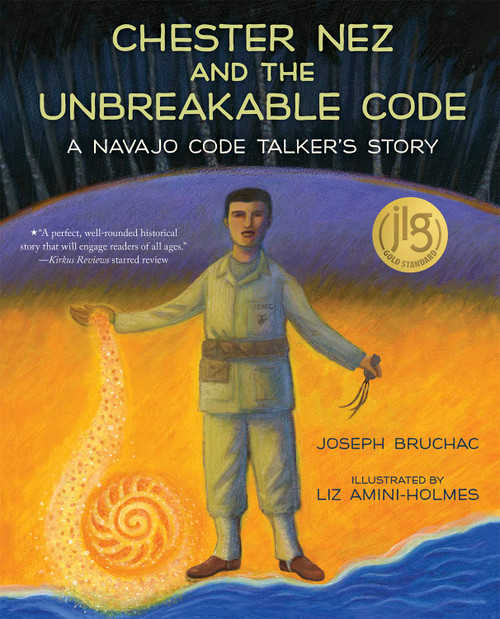
This book is a strong fit for elementary readers because it introduces a real person’s story through clear narrative nonfiction. Students can follow Chester Nez’s experiences while beginning to understand a larger historical topic: How the Navajo language became central to an unbreakable code used during World War II.
At this grade band, the paired resources can help you build context before students read or discuss the harder parts of the story. The mix of multimodal content gives students different ways to think about language, service, identity, and resilience.
Newsela ELA resources
This Book Study connects Joseph Bruchac’s account of Chester Nez to the history of the Navajo Code Talkers, World War II, and the role of language in identity and service. The supporting resources include a short introductory video, historical articles, an obituary, and present-day stories about Navajo communities.
Use the collection to build background knowledge before reading, then return to the resources as students discuss how language, culture, and lived experience shape Chester Nez’s story.
Open Book Study| Resource | Reading Level / Runtime | Why this resource? | Spanish? |
|---|---|---|---|
| The untold unbreakable code Video | 1:54 | Use this short video to introduce the unbreakable code before students read. | |
| Secret code in the Mars rover’s parachute is cracked Article | 500L–1310L | Use this article to connect the idea of hidden codes to a modern science example. | |
| The Navajo code talkers played a crucial role during World War II Article | 390L–1040L | Use this article to build historical context for how Navajo Code Talkers supported U.S. efforts in World War II. | ✓ Yes |
| Chester Nez, last of WWII’s Navajo code talkers, dies at 93 Obituary | 670L–1080L | Use this obituary to help students see Chester Nez as a real person connected to the history in the book. | ✓ Yes |
Scroll sideways to see the full table.
| Resource | Reading Level / Runtime | Why this resource? | Spanish? |
|---|---|---|---|
| A short history of the U.S. government’s relationship with Native Americans Article | 560L–1320L | Use this overview to give students broader context on Native American relationships with the U.S. government. | ✓ Yes |
| For Over 100 Years, the U.S. Forced Navajo Students Into Western Schools Article | 600L–1250L | Use this article to discuss forced schooling and language suppression with care before connecting back to Chester’s experience. | ✓ Yes |
Scroll sideways to see the full table.
| Resource | Reading Level / Runtime | Why this resource? | Spanish? |
|---|---|---|---|
| In the heart of Navajo country, pupils work for greener future Article | 560L–1370L | Use this article to connect Navajo community life to environmental problem-solving and future planning. | ✓ Yes |
| For Navajo Nation, candidates stir questions about saving dying language Article | 680L–1120L | Use this article to discuss language preservation and why Navajo language matters to identity and community. | |
| Navajo military veterans struggle with housing Article | 610L–1170L | Use this article to extend the military-service thread into present-day issues facing Navajo veterans. |
Scroll sideways to see the full table.
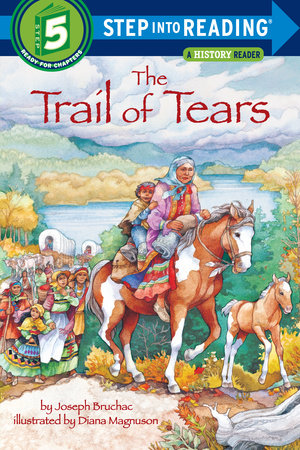
This book is a strong fit for elementary readers because it introduces a difficult part of U.S. history in a short, chapter-based format. At this grade band, the paired resources can help students move carefully from the story of Cherokee removal into broader questions about rights, government decisions, and historical responsibility.
Newsela ELA resources
This Book Study pairs Joseph Bruchac’s The Trail of Tears with resources about Cherokee history, culture, forced removal, U.S. government policy, and present-day Indigenous rights. The collection includes articles, primary-source connections, opinion writing, and a short video.
Use the resources to help students connect the book’s events to essential questions about respect, cultural survival, land, representation, and how a country can begin to address historical wrongs.
Open Book Study| Resource | Reading Level / Runtime | Why this resource? | Spanish? |
|---|---|---|---|
| American Indian culture and tradition brought to life Article | 590L–1280L | Use this article to help students learn about cultural traditions before discussing what removal threatened to disrupt. | ✓ Yes |
| Native Americans of the Cherokee Nation Article | 590L–1160L | Use this background article to introduce the Cherokee Nation’s history, culture, and identity. | ✓ Yes |
| Cherokee Nation to get seat in Congress it was promised back in 1835 Article | 560L–1140L | Use this current-events connection to show students how treaty promises and representation remain part of public discussion. | ✓ Yes |
| Cherokee tribe pushes to restore name of Great Smoky Mountains’ highest peak Article | 580L–1320L | Use this article to connect historical identity, place names, and present-day efforts to honor Indigenous history. |
Scroll sideways to see the full table.
| Resource | Reading Level / Runtime | Why this resource? | Spanish? |
|---|---|---|---|
| Time Machine (1838): The Cherokees and the Trail of Tears Petition | 550L–1350L | Use this primary-source-style resource to help students connect the book to the Cherokee people’s resistance to removal. | ✓ Yes |
| Primary Sources: Andrew Jackson’s Letter to the Cherokee Letter | 650L–1270L | Use this letter to help students examine point of view, power, and government language around removal. | ✓ Yes |
| Opinion: Half the land in Oklahoma could be returned to Native Americans Article | 600L–1270L | Use this opinion piece to extend the conversation from forced removal to land rights and justice today. | ✓ Yes |
Scroll sideways to see the full table.
| Resource | Reading Level / Runtime | Why this resource? | Spanish? |
|---|---|---|---|
| Push for Indigenous American curriculum in schools makes gains Article | 600L–1570L | Use this article to help students think about how schools teach Indigenous history and whose stories are included. | ✓ Yes |
| Indigenous groups in the United States Video | 1:28 | Use this short video to remind students that Indigenous peoples are not one single group and have distinct histories, cultures, and communities. |
Scroll sideways to see the full table.
Erdrich’s novel is a strong fit for upper elementary readers because it offers a character-centered entry point into Ojibwe history, culture, and family. You can use the paired resources to support close reading without flattening the culture's complexity.

Newsela ELA resources
This Novel Study connects Louise Erdrich’s The Birchbark House to resources about Ojibwe culture, community, traditional knowledge, nature, animals, poetry, and the relationship between people and place.
Use the collection to support students as they explore Omakayas’s world through multiple genres, including articles and poems that deepen conversations about identity, family, healing, and the natural world.
Open Novel Study| Resource | Reading Level / Runtime | Why this resource? | Spanish? |
|---|---|---|---|
| Tribal Fever Article | 600L–1320L | Use this article to build context for how illness can affect a community before students discuss hardship and survival in the novel. | |
| Native Americans and traditional plant use Article | 570L–1320L | Use this article to help students connect traditional knowledge, plants, and daily life to the novel’s setting and themes. | ✓ Yes |
| Opinion: Traditional Chinese medicine brings me closer to my heritage Article | 570L–1250L | Use this opinion piece as a cross-cultural connection for discussing heritage, family knowledge, and identity. | |
| Minnesota Ojibwe harvest sacred, climate-imperiled wild rice Article | 560L–1450L | Use this article to connect Ojibwe culture, foodways, place, and environmental change. | |
| One of America’s last Indigenous birchbark canoe builders launches hunting boat Article | 630L–1250L | Use this article to help students see birchbark as part of living knowledge, craftsmanship, and culture. |
Scroll sideways to see the full table.
| Resource | Reading Level / Runtime | Why this resource? | Spanish? |
|---|---|---|---|
| Crows are so clever: They can play, socialize and clean up Article | 390L–1060L | Use this article to support discussion about animal behavior, observation, and the natural world. | |
| In death, a crow’s big brain fires up memory, learning Article | 330L–1100L | Use this article to extend students’ thinking about crows, memory, and animal intelligence. | ✓ Yes |
| “Peacock Feather”: A poem by Effie Lee Newsome Poem | Use this poem to practice close observation and sensory language before students analyze descriptions of nature in the novel. | ||
| “Somewhere in a Tree”: A poem by Beverly McLoughland Poem | 1320L | Use this poem to help students compare how different texts represent trees, animals, and outdoor settings. | |
| “The Sparrow”: A poem by Paul Laurence Dunbar Poem | Use this poem to give students another short text for discussing animals, tone, and point of view. |
Scroll sideways to see the full table.
Tingle’s novel is a strong fit for upper elementary readers because it blends historical fiction with ghost story elements, giving students a familiar genre pathway into the Choctaw Trail of Tears.
For this grade band, the paired resources help students understand the history and the craft of storytelling. Make connections to help them discuss forced removal, folklore, symbolism, and how stories can carry memory across generations.
Newsela ELA resources
This Novel Study connects Tim Tingle’s How I Became a Ghost to resources about historical fiction, ghost stories, forced removal, Choctaw history, folklore, symbolism, and the natural world.
Use the collection to help students move between the novel’s storytelling choices and the historical context behind them, with paired fiction, myths, poems, explainers, articles, and primary-source connections.
Open Novel Study| Resource | Reading Level / Runtime | Why this resource? | Spanish? |
|---|---|---|---|
| Historical fiction Video | 2:46 | Use this video to introduce the genre before students discuss how the novel blends history with imagined characters and events. | |
| The Ghost of Harpers Ferry Fiction | 830L–870L | Use this story to help students compare how ghost-story elements can connect the past to the present. | ✓ Yes |
| Blackbeard’s Ghost Fiction | 940L–1060L | Use this second ghost story to compare mood, narrator, suspense, and the purpose of supernatural elements across texts. | ✓ Yes |
Scroll sideways to see the full table.
| Resource | Reading Level / Runtime | Why this resource? | Spanish? |
|---|---|---|---|
| Expansion and Reform: The Indian Removal Act Explainer | 550L–1220L | Use this explainer to build background on the U.S. policy context behind the forced removal in the novel. | ✓ Yes |
| Tribal Fever Article | 600L–1320L | Use this article to support careful discussion about illness, community harm, and survival in the historical setting. | |
| Primary Sources: A Soldier’s Account of the Cherokee Trail of Tears Letter | 560L–1280L | Use this primary-source connection to help students examine point of view and evidence around forced removal. | ✓ Yes |
| Why the Choctaw people sent their meager funds to Ireland Article | 580L–1360L | Use this article to extend the conversation from suffering and removal to generosity, memory, and Choctaw resilience. | ✓ Yes |
Scroll sideways to see the full table.
| Resource | Reading Level / Runtime | Why this resource? | Spanish? |
|---|---|---|---|
| How Grandmother Spider Brought Fire: a Choctaw origin story Myth/Legend | 540L–730L | Use this origin story to help students discuss Choctaw storytelling, folklore, and cultural beliefs. | ✓ Yes |
| “The Panther”: A poem by Rainer Maria Rilke Poem | 1080L | Use this poem to support discussion of animal imagery, confinement, and symbolism. | |
| “Gray Fox”: A poem by Robyn Hood Black Poem | Use this poem to help students notice how poets use animals and movement to create meaning. | ||
| “The Eagle”: A poem by Alfred Lord Tennyson Poem | 920L | Use this poem to practice close reading of imagery before connecting animal symbols back to the novel. |
Scroll sideways to see the full table.
Middle school readers are often ready for books that encourage them to ask questions about genre, history, identity, and ethics at the same time. These Novel Studies include selections across fantasy, magical realism, historical fiction, and survival tales with paired resources that help you build background knowledge on key topics in each story.
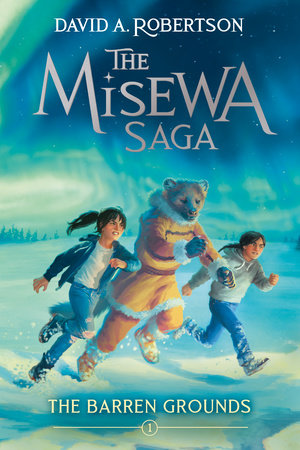
“The Barren Grounds” is a strong middle school story because fantasy lets students examine identity, belonging, and responsibility one step removed from reality.
The paired resources can help students move between the novel's fantasy world and real-world questions about foster care, Indigenous education, language, and social identity. That range gives you multiple entry points for discussion before students analyze how folklore and fantasy can carry serious themes.
Newsela ELA resources
This Novel Study connects David Alexander Robertson’s The Barren Grounds to resources about fantasy, Indigenous star stories, Cree language and education, foster care, conservation, and social identity.
Use the collection to help students connect Morgan and Eli’s journey in Misewa to real-world conversations about culture, community, belonging, environmental responsibility, and the stories people inherit or rediscover.
Open Novel Study| Resource | Reading Level / Runtime | Why this resource? | Spanish? |
|---|---|---|---|
| Fantasy genre Video | 2:51 | Use this video to introduce fantasy conventions before students analyze how the novel blends imagined worlds with real themes. | |
| New York City schools create office for foster care students Video | 5:14 | Use this video to build context for students’ conversations about foster care, school support, and belonging. | |
| How are we shaped by our culture? Video | 2:40 | Use this video to introduce culture as part of identity before students discuss Morgan and Eli’s sense of self. | |
| What is social identity? Explainer | 450L–1010L | Use this explainer to give students shared vocabulary for discussing identity, community, and belonging. | ✓ Yes |
Scroll sideways to see the full table.
| Resource | Reading Level / Runtime | Why this resource? | Spanish? |
|---|---|---|---|
| Relearning the star stories of indigenous peoples Article | 570L–1050L | Use this article to connect the novel’s fantasy world to Indigenous sky stories and cultural knowledge. | ✓ Yes |
| Canadian teacher breathes new life into Indigenous education Article | 630L–1340L | Use this article to extend discussion about how schools can support Indigenous histories, cultures, and ways of knowing. | |
| Cree language gets 21st-century reboot from First Nation Canadians Article | 610L–1330L | Use this article to help students discuss language preservation and cultural reconnection. | |
| Canada’s policy of forced assimilation “a cultural genocide,” report says Article | 580L–1310L | Use this article to provide historical context for conversations about forced assimilation and cultural loss. |
Scroll sideways to see the full table.
| Resource | Reading Level / Runtime | Why this resource? | Spanish? |
|---|---|---|---|
| In Canada’s Alberta province, oil sands boom is a two-edged sword Article | 700L–1180L | Use this article to connect the novel’s environmental themes to resource use, tradeoffs, and community impact. | |
| Is culture missing from conservation? Scientists take cues from Indigenous groups Article | 600L–1260L | Use this article to help students connect conservation with Indigenous knowledge and cultural practices. | ✓ Yes |
| 10 things you can do to help save the Earth Explainer | 450L–980L | Use this explainer to move from theme discussion into practical actions students can understand and evaluate. | ✓ Yes |
| Six-year-old helps out the recycling crew in his neighborhood Article | 350L–890L | Use this article to give students a concrete example of individual responsibility and community care. |
Scroll sideways to see the full table.
For middle school classrooms, “Elatsoe” works best with older readers who are ready for a genre-blending story with mystery, fantasy, horror, and ancestral knowledge.
The paired resources help students separate, then reconnect, the novel's big threads. They’ll explore how magical realism works, how folklore can reveal cultural beliefs, and how people define justice. That range gives students enough context to analyze the story as literature without losing sight of the cultural and contemporary questions it raises.

Newsela ELA resources
This Novel Study connects Darcie Little Badger’s Elatsoe to resources about magical realism, hero stories, folktales, Lipan Apache history, Indigenous land rights, afterlife beliefs, and justice.
Use the collection to help students follow Ellie’s investigation while exploring how genre, family stories, cultural knowledge, and real-world questions shape the novel’s mystery.
Open Novel Study| Resource | Reading Level / Runtime | Why this resource? | Spanish? |
|---|---|---|---|
| What makes a hero? Video | 4:29 | Use this video to help students think about what makes Ellie a hero and how the novel defines courage. | |
| Magical realism Explainer | 570L–1310L | Use this explainer to introduce how authors can blend realistic settings with magical or supernatural elements. | ✓ Yes |
| What are folktales? Explainer | 460L–950L | Use this explainer to give students language for discussing folktales, oral traditions, and cultural meaning. | ✓ Yes |
Scroll sideways to see the full table.
| Resource | Reading Level / Runtime | Why this resource? | Spanish? |
|---|---|---|---|
| The Apache of the Texas Panhandle Article | 560L–1130L | Use this article to build background on Apache history and place before students discuss Ellie’s family and identity. | ✓ Yes |
| Indigenous land acknowledgement, explained Explainer | 490L–1080L | Use this explainer to connect the novel’s land and community questions to contemporary conversations about recognition. | ✓ Yes |
| Relearning the star stories of indigenous peoples Article | 570L–1050L | Use this article to help students discuss Indigenous knowledge, sky stories, and the importance of stories passed across generations. | ✓ Yes |
Scroll sideways to see the full table.
| Resource | Reading Level / Runtime | Why this resource? | Spanish? |
|---|---|---|---|
| How the Ancient Egyptians Shaped the World’s View of Life After Death Article | 540L–1370L | Use this article to help students compare how cultures imagine, explain, and represent the afterlife. | |
| Hades, the Greek god of the underworld Myth/Legend | 580L–1530L | Use this myth to support comparison across cultural beliefs about death, the underworld, and power. | |
| Ghost Stories of Ancient China: Beware of Po, Hun Article | 540L–1240L | Use this article to compare ghost-story traditions and how beliefs about spirits shape storytelling. | |
| The function of justice and retribution in our society Explainer | 610L–1230L | Use this explainer to help students define justice before they evaluate the choices characters make in the novel. |
Scroll sideways to see the full table.
This novel is a good choice for middle school readers because it gives students a narrative way to examine Jamestown beyond a simple settlement story. The paired resources can help students compare perspectives, build historical context, and discuss leadership, communication, cooperation, and forgiveness

Newsela ELA resources
This Novel Study connects Elisa Carbone’s Blood on the River: Jamestown 1607 to resources about Jamestown, Powhatan history, John Smith, colonial settlement, leadership, communication, cooperation, and forgiveness.
Use the collection to help students move between Samuel Collier’s point of view and the broader historical context, with paired articles, biography, explainers, video, and real-world examples that support discussion and literary analysis.
Open Novel Study| Resource | Reading Level / Runtime | Why this resource? | Spanish? |
|---|---|---|---|
| Settlement: Jamestown and the founding of English America Article | 580L–1470L | Use this article to build background on Jamestown before students analyze the novel’s setting and conflict. | ✓ Yes |
| The children of Jamestown were key in sustaining the Virginia colony Article | 520L–1130L | Use this article to help students think about young people’s roles in Jamestown and connect that context to Samuel’s experience. | ✓ Yes |
| War and Peace with Powhatan’s People Article | 600L–1260L | Use this article to support discussion of conflict, cooperation, and perspective in relationships between settlers and Powhatan communities. | ✓ Yes |
| Why settle on Jamestown? Article | 560L–1130L | Use this article to help students evaluate the advantages, risks, and consequences of Jamestown’s location. | ✓ Yes |
| First legislative assembly convened in 1619 in Jamestown, Virginia Article | 580L–1320L | Use this article to extend the Jamestown timeline and discuss how early colonial institutions developed. | ✓ Yes |
| Werowocomoco: A Powhatan place of power Article | 550L–1240L | Use this article to center Powhatan place, leadership, and power as students discuss Jamestown’s surrounding communities. |
Scroll sideways to see the full table.
| Resource | Reading Level / Runtime | Why this resource? | Spanish? |
|---|---|---|---|
| The Explorers: John Smith Biography | 560L–1230L | Use this biography to help students compare John Smith as a historical figure with his role in the novel. | ✓ Yes |
| When people work together, they’re literally on the same wavelength Article | 590L–1390L | Use this article to connect cooperation in the novel to a real-world science example students can discuss. | ✓ Yes |
| Like humans, chimps reward cooperation and punish freeloaders Article | 600L–1510L | Use this article to help students compare cooperation, fairness, and group survival across contexts. | ✓ Yes |
Scroll sideways to see the full table.
| Resource | Reading Level / Runtime | Why this resource? | Spanish? |
|---|---|---|---|
| Take it easy on yourself, and be healthier Article | 540L–1360L | Use this article to support reflection on self-forgiveness, mistakes, and emotional growth. | ✓ Yes |
| Saying you’re sorry Explainer | 430L–940L | Use this explainer to help students discuss apology, responsibility, and repair in character relationships. | ✓ Yes |
| Forgiveness Video | 2:19 | Use this video to introduce forgiveness before students analyze how characters respond to conflict and regret. |
Scroll sideways to see the full table.
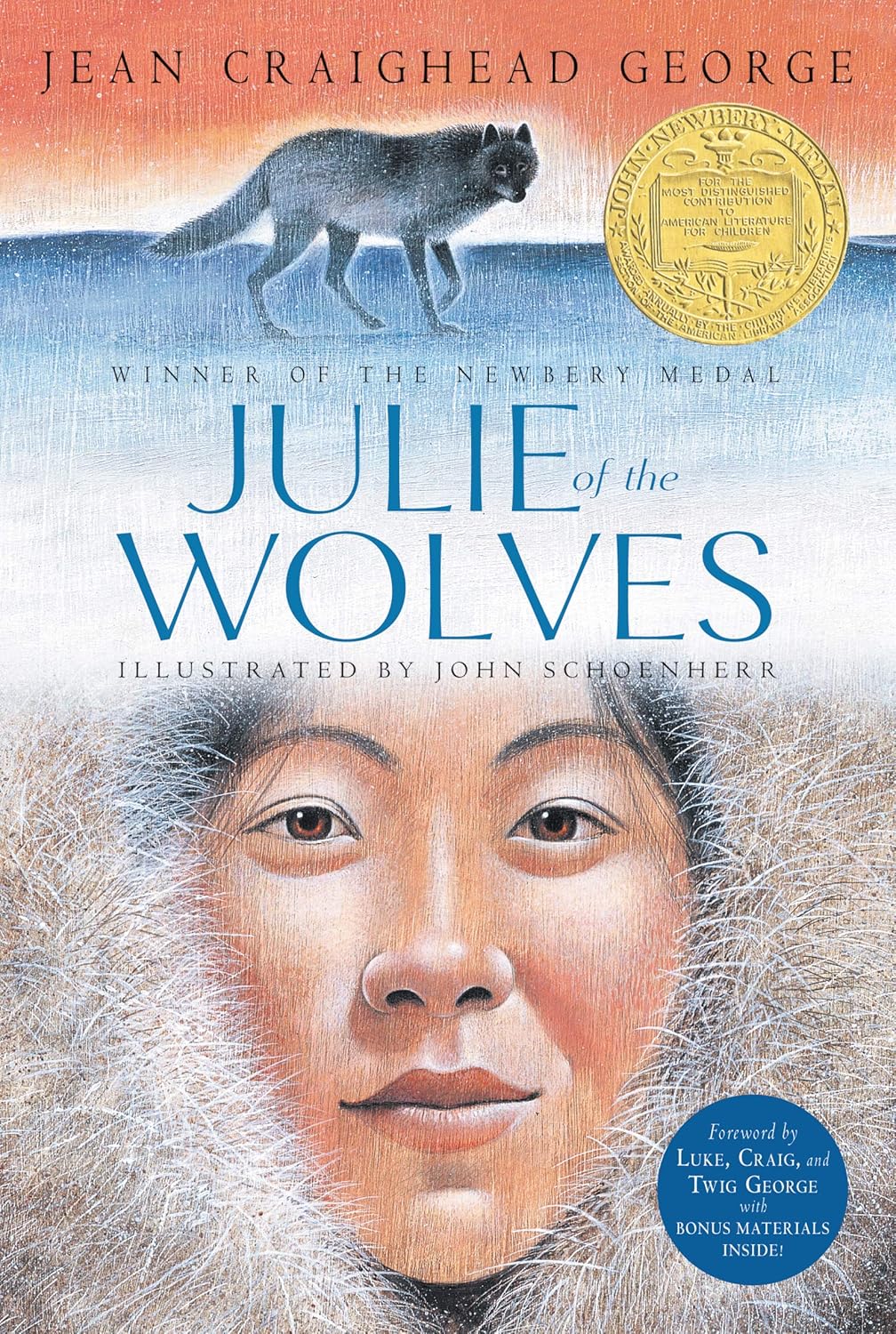
“Julie of the Wolves” is a strong fit for middle school readers because it pairs survival storytelling with questions about identity, culture, independence, and community.
At this grade band, the paired resources can help students examine the novel through several lenses. The text set helps build context before students discuss Miyax’s choices and the pressures she faces.
Newsela ELA resources
This Novel Study connects Jean Craighead George’s Julie of the Wolves to resources about Alaska Native cultures, Inuit storytelling, human relationships with animals, survival, cultural separation, language, and place.
Use the collection to help students follow Miyax’s journey across the Alaskan tundra while connecting the novel’s survival story to broader conversations about identity, nature, community, and culture.
Open Novel Study| Resource | Reading Level / Runtime | Why this resource? | Spanish? |
|---|---|---|---|
| Native American Cultures: Alaska Indigenous Group Profile | 550L–1290L | Use this profile to build background on Alaska Native cultures before students discuss Miyax’s identity and community. | ✓ Yes |
| The Bird Wife: an Inuit story Myth/Legend | 720L–780L | Use this story to connect the novel to Inuit storytelling, family relationships, and cultural beliefs. | ✓ Yes |
| Indigenous languages make inroads into public schools Article | 580L–1350L | Use this article to help students connect language, school, and cultural identity to the novel’s larger questions. |
Scroll sideways to see the full table.
| Resource | Reading Level / Runtime | Why this resource? | Spanish? |
|---|---|---|---|
| For Over 100 Years, the U.S. Forced Navajo Students Into Western Schools Article | 600L–1250L | Use this article to discuss cultural separation and schooling before students analyze what it means to be removed from one’s culture. | ✓ Yes |
| The Carlisle Indian Industrial School stripped Indigenous children of their culture Article | 880L–1220L | Use this article to provide additional historical context for forced assimilation and its effects on Indigenous children and families. | |
| Supreme Court preserves law that aims to keep Indigenous children with tribal families Article | 600L–1460L | Use this article to connect family, tribal belonging, and child welfare to present-day legal questions. |
Scroll sideways to see the full table.
| Resource | Reading Level / Runtime | Why this resource? | Spanish? |
|---|---|---|---|
| Study asks: How far will a pet pup go to help out a human? Article | 380L–1190L | Use this article to start a discussion about animal behavior, trust, and human relationships with dogs and wolves. | ✓ Yes |
| “Chapter 1: Nature” Essay | 530L–940L | Use this essay to help students reflect on what people can learn from encounters with the natural world. | |
| Alaska’s Inuit link steady food supply to environmental health Article | 470L–1270L | Use this article to connect survival, food systems, environmental health, and Indigenous knowledge in Alaska. | |
| The return of the wolf: How much do they help rebuild ecosystems? Article | 1010L | Use this article to connect the novel’s wolf pack to ecosystem roles and evidence-based discussion about wolves. |
Scroll sideways to see the full table.
| Resource | Reading Level / Runtime | Why this resource? | Spanish? |
|---|---|---|---|
| Chicago’s Daniel Boone Elementary seeks new name because of explorer’s troubled past Article | 600L–1370L | Use this article to help students discuss how communities decide what names and histories public places should honor. | |
| Cherokee tribe pushes to restore name of Great Smoky Mountains’ highest peak Article | 580L–1320L | Use this article to connect place names to Indigenous history, respect, and public memory. | |
| Headed for Alaska, Obama renames North America’s tallest peak Article | 540L–1360L | Use this article to connect the novel’s Alaska setting to naming, geography, and Indigenous history. |
Scroll sideways to see the full table.
High school readers can use these Native American Heritage Month books to examine identity, justice, grief, storytelling, and cultural survival through more complex texts.
For high school classrooms, “Firekeeper’s Daughter” works well when students are ready for a layered young adult thriller that asks serious questions about identity, family loyalty, and community responsibility.
At this grade band, the paired resources can help students separate the novel’s major threads before bringing them back together in discussion. Students can build background on Ojibwe traditions and community life, learn more about law enforcement and justice, and approach sensitive topics like substance use, grief, and harm with more context before they analyze Daunis’ choices.

Newsela ELA resources
This Novel Study connects Angeline Boulley’s Firekeeper’s Daughter to resources about Ojibwe traditions, community life, hockey, FBI work, substance use, justice, grief, and accountability.
Use the collection to help students follow Daunis’s investigation while building the background knowledge they need to discuss identity, ceremony, family, community responsibility, and justice across the novel.
Open Novel Study| Resource | Reading Level / Runtime | Why this resource? | Spanish? |
|---|---|---|---|
| Only-in-winter stories pass on Ojibwe spiritual teachings Article | 610L–1560L | Use this article to build context for Ojibwe storytelling, spiritual teachings, and the role of tradition in community life. | |
| Minnesota Ojibwe harvest sacred, climate-imperiled wild rice Article | 560L–1450L | Use this article to connect Ojibwe foodways, land, climate, and cultural practices to the novel’s community context. | |
| “First Peoples Rookie Cards” shine light on Indigenous hockey players Article | 880L–1470L | Use this article to connect hockey, representation, and Indigenous identity to a major part of Daunis’s world. |
Scroll sideways to see the full table.
| Resource | Reading Level / Runtime | Why this resource? | Spanish? |
|---|---|---|---|
| Dream Jobs: FBI special agent Job Profile | 580L–1300L | Use this job profile to help students understand FBI work before they discuss the investigation plot. | ✓ Yes |
| FBI turns away many applicants who fail lie-detector tests Article | 750L–1390L | Use this article to support discussion about trust, evidence, truth, and the limits of investigative tools. | |
| The function of justice and retribution in our society Explainer | 610L–1230L | Use this explainer to help students define justice before they evaluate what justice looks like in the novel. |
Scroll sideways to see the full table.
| Resource | Reading Level / Runtime | Why this resource? | Spanish? |
|---|---|---|---|
| “Deaths of despair” from drugs, alcohol, suicide hit young adults hardest Article | 570L–1500L | Use this article to build context for conversations about loss, substance use, and how communities respond to crisis. | ✓ Yes |
| How to recognize a substance use disorder Explainer | 520L–1100L | Use this explainer to give students factual context before discussing substance use and harm in the novel. | ✓ Yes |
| They spoke out pre-#MeToo and cheer it, with note of caution Article | 570L–1220L | Use this article to support careful conversation about speaking up, accountability, and public responses to harm. |
Scroll sideways to see the full table.
For high school classrooms, “The Marrow Thieves” gives students a dystopian frame for examining colonialism, cultural survival, grief, and community.
The paired resources help students connect the novel’s speculative premise to histories of boarding schools and forced assimilation, broadening discussion through needs, friendship, and storytelling. This gives students enough context to analyze Frenchie’s survival story as both literature and social commentary.

Newsela ELA resources
This Novel Study connects Cherie Dimaline’s The Marrow Thieves to histories, recent events, and opinion texts about colonialism, boarding schools, grief, relationships, storytelling, cultural traditions, and climate change.
Use the collection to help students follow Frenchie’s journey north while building context for how the novel uses dystopian fiction to explore memory, dreams, community, and survival.
Open Novel Study| Resource | Reading Level / Runtime | Why this resource? | Spanish? |
|---|---|---|---|
| A short history of the U.S. government’s relationship with Native Americans Article | 560L–1320L | Use this article to build historical context for the colonial policies and broken trust that echo through the novel. | ✓ Yes |
| The Carlisle Indian Industrial School stripped Indigenous children of their culture Article | 880L–1220L | Use this article to connect the novel’s dystopian schools to the real history of forced assimilation. | |
| First Pope Francis, now U.S. churches face reckoning with Indigenous boarding schools Article | 610L–1420L | Use this article to help students discuss accountability, historical harm, and public reckoning with boarding school histories. |
Scroll sideways to see the full table.
| Resource | Reading Level / Runtime | Why this resource? | Spanish? |
|---|---|---|---|
| Maslow’s hierarchy of needs explained Explainer | 320L–1240L | Use this explainer to help students discuss survival, safety, belonging, and Frenchie’s needs across the novel. | ✓ Yes |
| How to deal with the death of a loved one Explainer | 430L–1010L | Use this explainer to support careful discussion about grief, loss, and how characters continue after trauma. | ✓ Yes |
| Dealing with stress and strong emotions Article | 600L–1300L | Use this article to give students language for discussing fear, stress, and emotional survival. | ✓ Yes |
| In building friendships, empathy seems to be key Article | 540L–1280L | Use this article to help students analyze how empathy strengthens relationships within Frenchie’s found family. | ✓ Yes |
| Research shows friends are good for your health Article | 610L–1200L | Use this article to connect friendship, belonging, and well-being to the group bonds that help characters survive. | ✓ Yes |
Scroll sideways to see the full table.
| Resource | Reading Level / Runtime | Why this resource? | Spanish? |
|---|---|---|---|
| Storytelling and cultural traditions Article | 580L–1280L | Use this article to support discussion about why storytelling carries culture, memory, and community history. | ✓ Yes |
| Growing Griots: Modern-day storytelling shapes young people’s identities Article | 610L–1110L | Use this article to help students compare storytelling traditions and discuss how stories shape identity. | |
| Only-in-winter stories pass on Ojibwe spiritual teachings Article | 610L–1560L | Use this article to connect cultural teachings, seasonal storytelling, and shared knowledge to the novel’s community themes. | |
| Re-enchanting the world with performing arts: stories from Cambodia Article | 580L–1330L | Use this article to broaden discussion about how performance and story can help communities preserve culture after harm. | ✓ Yes |
| Indigenous youth take global stage in Madrid to voice climate change worries Article | 560L–1400L | Use this article to connect the novel’s environmental collapse to present-day Indigenous youth climate advocacy. | ✓ Yes |
Scroll sideways to see the full table.
Tommy Orange is an enrolled member of the Cheyenne and Arapaho Tribes of Oklahoma who was born and raised in Oakland. His novel gives high school readers a multi-voice novel centered on urban Indigenous identity, memory, family, and the Big Oakland Powwow.
The paired resources can help students build context around displacement, forced assimilation, social identity, storytelling, rituals, and who gets to shape history. The collection gives you several ways to prepare students before they analyze Orange’s structure, epigraphs, and character voices.

Newsela ELA resources
This Novel Study connects Tommy Orange’s There There to historical context, recent events, biography, poetry, and personal reflection about displacement, forced assimilation, social identity, storytelling, music, ritual, advocacy, and public memory.
Use the collection to help students follow the novel’s many voices while examining how stories become histories, how traditions shape identity, and how Indigenous communities claim space in the past and present.
Open Novel Study| Resource | Reading Level / Runtime | Why this resource? | Spanish? |
|---|---|---|---|
| Tommy Orange Video Biography | 2:12 | Use this video to introduce Orange’s background before students discuss the novel’s setting, structure, and point of view. | |
| What is social identity? Explainer | 450L–1010L | Use this explainer to give students shared language for discussing how identity is shaped by community, history, and lived experience. | ✓ Yes |
| Authors: James Baldwin Biography | 540L–1190L | Use this biography to support discussion about literary voice, public truth-telling, and how authors frame ideas for readers. | ✓ Yes |
Scroll sideways to see the full table.
| Resource | Reading Level / Runtime | Why this resource? | Spanish? |
|---|---|---|---|
| Storytelling and cultural traditions Article | 580L–1280L | Use this article to help students discuss why stories carry culture, memory, and community history. | ✓ Yes |
| A Native American poet reimagines Thanksgiving Article | 620L–1290L | Use this article to connect poetry, public memory, and how writers challenge familiar national stories. | |
| “America, I Sing Back”: A poem by Allison Adelle Hedge Coke Poem | 950L | Use this poem to support close reading of voice, address, resistance, and belonging. | |
| The Lakota Music Project finds common ground through collaboration Article | 600L–1280L | Use this article to discuss music, collaboration, tradition, and cultural expression. | ✓ Yes |
Scroll sideways to see the full table.
| Resource | Reading Level / Runtime | Why this resource? | Spanish? |
|---|---|---|---|
| Indigenous Americans honor 50th anniversary of Alcatraz takeover Article | 610L–1290L | Use this article to build background on Alcatraz, protest, and Indigenous advocacy in the Bay Area. | ✓ Yes |
| Then and now: The 1969-1971 occupation of Alcatraz in photos Photos | 1080L–1260L | Use this photo-based resource to help students connect historical advocacy to place, image, and public memory. | ✓ Yes |
| How We Have Turned Memories and Stories into Histories Article | 710L–1220L | Use this article to help students question how memories become histories and who gets authority over those stories. | ✓ Yes |
| Native Americans take control of their story Article | 600L | Use this article to discuss representation, agency, and how Indigenous communities tell their own histories. | |
| In wake of Standing Rock, Indigenous storytelling gets more screen time Article | 560L–1460L | Use this article to connect advocacy, media, and the growing visibility of Indigenous storytelling. | ✓ Yes |
Scroll sideways to see the full table.
“The Round House” is a strong fit for high schoolers when they’re ready for a morally complex coming-of-age mystery of family, trauma, tribal sovereignty, and the limits of legal systems.
The paired resources help students build context before discussing violence, justice, cultural survival, and family responsibility. The collection gives students multiple ways to think about Indigenous rights, family systems, and what justice can mean.

Newsela ELA resources
This Novel Study connects Louise Erdrich’s The Round House to resources about Indigenous rights, religious freedom, assimilation, museum representation, language reclamation, foster care, family, storytelling, Ojibwe teachings, and justice.
Use the collection to help students follow Joe’s search for answers while building the historical, cultural, and legal context they need to discuss family responsibility, community memory, and what justice can require.
Open Novel Study| Resource | Reading Level / Runtime | Why this resource? | Spanish? |
|---|---|---|---|
| Supreme Court preserves law that aims to keep Indigenous children with tribal families Article | 600L–1460L | Use this article to connect family, tribal belonging, and Indigenous child welfare to present-day legal questions. | |
| Native Americans and freedom of religion Article | 620L–1280L | Use this article to help students discuss religious freedom, ceremony, and Indigenous rights. | ✓ Yes |
| Assimilation of Native Americans in Oregon and Washington, 1880s–1950s Article | 620L–1310L | Use this article to build background on forced assimilation and its long-term effects on Indigenous families and communities. | ✓ Yes |
| Native American women shape how museums frame Indigenous culture Article | 610L–1360L | Use this article to discuss representation, cultural knowledge, and who gets to frame Indigenous history for the public. | |
| Native American women are reclaiming their language Article | 600L–1230L | Use this article to connect language reclamation to identity, family, and cultural survival. |
Scroll sideways to see the full table.
| Resource | Reading Level / Runtime | Why this resource? | Spanish? |
|---|---|---|---|
| Ojibwe woman makes history as North Dakota poet laureate Article | 560L–1370L | Use this article to connect Ojibwe identity, place, and literary voice to the novel’s North Dakota setting. | |
| For former foster kids, moving out of state can mean losing Medicaid Article | 510L–1230L | Use this article to support discussion about family systems, support networks, and what young people need after hardship. | ✓ Yes |
| Former foster kid aims for Olympics Article | 330L–1140L | Use this article to help students discuss resilience, chosen support systems, and how people define family. | ✓ Yes |
Scroll sideways to see the full table.
| Resource | Reading Level / Runtime | Why this resource? | Spanish? |
|---|---|---|---|
| Storytelling and cultural traditions Article | 580L–1280L | Use this article to help students discuss storytelling as a way to pass on culture, memory, and history. | ✓ Yes |
| Only-in-winter stories pass on Ojibwe spiritual teachings Article | 610L–1560L | Use this article to connect Ojibwe storytelling, seasonal teachings, and shared community knowledge to the novel. | |
| The function of justice and retribution in our society Explainer | 610L–1230L | Use this explainer to help students define justice before they evaluate the legal and moral questions in the novel. | |
| Take action: Peace, justice and strong institutions Video | 2:09 | Use this video to connect the novel’s justice questions to broader conversations about institutions and community action. |
Scroll sideways to see the full table.
“The Absolutely True Diary of a Part-Time Indian” works best when students are ready to discuss coming of age, identity, school transitions, and how one narrator’s experience connects to broader historical and contemporary context.
This text set, curated by Kara Turley, a secondary teacher in Illinois, helps students contextualize the novel through current-day and historical Indigenous experiences, including representation, language loss, and public recognition.

Newsela ELA resources
This Text Set connects Sherman Alexie’s The Absolutely True Diary of a Part-Time Indian to resources about coming of age, contemporary Indigenous communities, museum representation, colonial history, language loss, speeches, public recognition, and Indigenous Peoples Day.
Use the collection to help students contextualize Junior’s story while comparing characters’ experiences with the historical and contemporary experiences represented in the paired resources.
Open Text Set| Resource | Reading Level / Runtime | Why this resource? | Spanish? |
|---|---|---|---|
| Coming of age Video | 2:42 | Use this video to introduce coming-of-age conventions before students trace Junior’s growth, conflicts, and choices. | |
| “I am frightened”: Indigenous people return to homelands to wait out coronavirus Article | 600L–1110L | Use this article to connect contemporary community experiences and choices about place to students’ discussions of home and belonging. | |
| Coronavirus kills Indigenous elders, accelerating loss of languages Article | 560L–1040L | Use this article to support discussion about elders, language, memory, and what communities risk losing across generations. |
Scroll sideways to see the full table.
| Resource | Reading Level / Runtime | Why this resource? | Spanish? |
|---|---|---|---|
| Native American women shape how museums frame Indigenous culture Article | 610L–1360L | Use this article to discuss representation, cultural knowledge, and who gets to frame Indigenous history for the public. | |
| Colonial America Depended on the Enslavement of Indigenous People Article | 540L–1370L | Use this article to build historical context for colonial violence and Indigenous experiences in early America. | ✓ Yes |
Scroll sideways to see the full table.
| Resource | Reading Level / Runtime | Why this resource? | Spanish? |
|---|---|---|---|
| Zitkála-Šá speaks to Indigenous activists Speech | 460L–950L | Use this speech to connect rhetoric, advocacy, and Indigenous voices to students’ conversations about shared experiences. | ✓ Yes |
| Primary Sources: Cities recognize Indigenous Peoples Day Proclamation | 610L–1820L | Use this primary source to discuss public recognition and how communities name, honor, and remember Indigenous history. | ✓ Yes |
Scroll sideways to see the full table.
Native American Heritage Month books can help students build background knowledge, practice literary analysis, and connect classroom reading to history, culture, identity, and contemporary issues. With the right resources, you can prepare students for thoughtful discussion before they read, support them while they analyze the text, and extend the lesson through writing.
Newsela Learning Suite offers even more multimodal content, interactive activities, and assessment tools you can use throughout the year, including after National Native American Heritage Month is over.
If you’re not a Newsela customer, you can sign up for free, then start a 45-day trial of premium content to access resources for heritage months, historical events, holidays, and everyday classroom lessons.

.jpg)
Find Native American Heritage Month facts and social studies resources to help students learn about Indigenous cultures, history, leaders, and advocacy.

Plan Native American Heritage Month lessons with poems, stories, paired texts, and activities that center Indigenous voices.
.jpg)
Help students explore Native American contributions in STEM through Newsela science resources on scientists, conservation, space, and heirloom seeds.


.jpg)