
Products

 Products Overview
Newsela products are purpose-built to unlock student motivation, inspire teachers, and drive long-lasting learning outcomes.









Resources
About
Products OverviewNewsela products are purpose-built to unlock student motivation, inspire teachers, and drive long-lasting learning outcomes.

National Book Lovers Day is on August 9, and it’s a good excuse to celebrate the stories students already love—and discover a few new ones! It also lands right at the perfect time for back-to-school planning.
Use these 15 Newsela ELA novel and book study ideas to find grade-band-friendly titles, build background knowledge, and connect each book to resources they can use before, during, and after reading.
Elementary students will love stories about mythological heroes, finding your voice, and learning what life was like for young people in different eras. These Newsela ELA novel and book studies can help you connect student-favorite titles to background knowledge, discussion, and writing practice.
The first book in Riordan’s “Percy Jackson and the Olympians” series introduces the titular character and his cross-country quest to find his father, rescue his mother, and learn more about himself. Use this novel study to help students explore Greek mythology, heroism, identity, and inclusion.

Newsela ELA resources
Choose background readings on Greek mythology, texts about inclusion and disability, and examples of real-world heroism to pair with the novel.
Open the Novel Study| Resource | Reading Level / Runtime | Why this resource? | Spanish? |
|---|---|---|---|
| Myths and legendsVideo | 2:39 | Introduce students to the purpose of myths and legends before they meet the Greek figures and heroic quests that shape Percy’s world. | |
| The Titans and the Gods of Olympus: Greek Origin StoryMyth | 570L–1210L | Builds background knowledge about the Greek gods, Titans, and origin stories students will see referenced throughout the novel. | ✓ Yes |
| Myths and Legends: Poseidon, the Greek god of the seaMyth | 530L–1480L | Gives students context for Poseidon’s role in Greek mythology and helps them better understand Percy’s identity and family story. | ✓ Yes |
| Myths and Legends: Perseus, renowned hero of ancient GreeceMyth | 540L–1390L | Helps students compare Percy to a classic Greek hero and discuss how heroic traits change across stories and time periods. | ✓ Yes |
| Myths and Legends: Hades, the Greek god of the underworldMyth | 580L–1530L | Supports students as they unpack the novel’s underworld references and examine how myths portray power, fear, and misunderstanding. | |
| Myths and Legends: Zeus, supreme god of the ancient GreeksMyth | 450L–1490L | Provides context for Zeus’s importance in Greek mythology and helps students follow the conflict that drives Percy’s quest. | ✓ Yes |
| What causes lightning and thunder?Article | 440L–970L | Pairs mythology with science by helping students compare ancient explanations for lightning with what we know about weather today. | ✓ Yes |
Scroll left to right to see the full table.
| Resource | Reading Level / Runtime | Why this resource? | Spanish? |
|---|---|---|---|
| Opinion: Inclusive classrooms benefit all childrenArticle | 570L–1150L | Connects to Percy’s school experiences and gives students language for discussing how classrooms can support different learning needs. | ✓ Yes |
| The college sophomore wants to change how we talk about disabilitiesArticle | 560L–1130L | Helps students connect Percy’s story to real-world conversations about disability, identity, and respectful language. | ✓ Yes |
| Reframing our idea of disabilityArticle | 600L–1030L | Supports discussion about how perceived challenges can also be sources of strength, perspective, and community. | ✓ Yes |
Scroll left to right to see the full table.
| Resource | Reading Level / Runtime | Why this resource? | Spanish? |
|---|---|---|---|
| What makes a hero?Video | 4:29 | Gives students a clear entry point for debating whether heroism is defined by bravery, choices, sacrifice, or growth. | |
| Teen activist-turned-author Marley Dias talks inclusion, making changeArticle | 550L–1310L | Extends the heroism conversation by showing students a real-world example of a young person using their voice to create change. | ✓ Yes |
| Earth Day: Kid heroes for the planetArticle | 490L–990L | Helps students see heroism beyond mythology by studying young people taking action in their own communities. | |
| On a big night for “Black Panther,” Boseman honors real-life heroArticle | 610L–1280L | Connects fictional heroes to real-life courage and gives students another way to discuss what makes someone worthy of admiration. |
Scroll left to right to see the full table.
In Palacio’s novel, 10-year-old Auggie faces bullying and other challenges at school due to his facial differences, but his kindness and courage help him earn friends and acceptance as the year goes on.

Newsela ELA resources
Choose texts about kindness and bullying, disability and inclusion, and readers’ responses to the novel; then use the writing support as students develop their own interpretations.
Open the Novel Study| Resource | Reading Level / Runtime | Why this resource? | Spanish? |
|---|---|---|---|
| RJ Palacio: What is kindness?Essay | 540L–1140L | Connects directly to one of the novel’s central themes and helps students discuss how small choices can affect a school community. | ✓ Yes |
| When words hurtArticle | 400L–1050L | Helps students connect Auggie’s experiences to the real impact of hurtful language and think about how words shape belonging. | ✓ Yes |
| New inclusive approach helps schools fight bullyingArticle | 690L–1380L | Gives students a real-world example of how schools can respond to bullying by building more supportive and inclusive communities. | |
| D.C. author was bullied as a kid—now he urges others to be kingArticle | 380L–990L | Shows how a person can respond to bullying with courage, kindness, and a message that helps others feel seen. | ✓ Yes |
| What’s empathy? Do I have it?Video | 12:13 | Gives students language for understanding empathy before they analyze how characters respond to Auggie and one another. | |
| He held crying classmate’s hand on first day of school; it went viralArticle | 420L–990L | Offers a concrete example of kindness at school that students can compare to the choices characters make in the novel. | ✓ Yes |
| FSU player eats lunch with autistic student sitting aloneArticle | 440L–830L | Supports discussion about friendship, inclusion, and what it means to notice when someone is being left out. | ✓ Yes |
Scroll left to right to see the full table.
| Resource | Reading Level / Runtime | Why this resource? | Spanish? |
|---|---|---|---|
| Judy Heumann: The Mother of ADAVideo | 2:43 | Introduces students to disability rights and helps them connect individual experiences to broader conversations about access and respect. | |
| Autistic kids with math abilities show different brain patternsArticle | 720L–1250L | Encourages students to think about differences as strengths and challenge narrow assumptions about how people learn and think. | |
| At Born Dancing, different abilities—and all in harmonyArticle | 610L–1060L | Shows students how inclusive spaces can help people share their talents and feel like full members of a community. | ✓ Yes |
Scroll left to right to see the full table.
| Resource | Reading Level / Runtime | Why this resource? | Spanish? |
|---|---|---|---|
| “Wonder” movie gives two Kansas girls hopeArticle | 360L–910L | Helps students see how the story’s themes connect to real readers and viewers with personal experiences related to the novel. | ✓ Yes |
| For this girl, the pages of “Wonder” got personalArticle | 360L–980L | Gives students another real-world connection to the novel and invites discussion about why representation matters to readers. | ✓ Yes |
| “Wonder” is emotional, but it’s also complex, funny and probingArticle | 540L–1210L | Supports deeper discussion of the novel’s tone, character development, and why the story works as more than a simple kindness lesson. | ✓ Yes |
| Writing well: The elements of explanatory writingArticle | 550L–1090L | Helps students prepare to explain how the novel develops ideas about kindness, empathy, and character using clear evidence. | ✓ Yes |
Scroll left to right to see the full table.
In Anderson’s historical fiction novel, 14-year-old Mattie struggles to survive the Philadelphia yellow fever epidemic in 1793 while caring for others and enduring personal losses and hardships along the way.

Newsela ELA resources
Choose resources on historical fiction and Philadelphia, compare outbreaks across time, and bring in texts about grief and hope as students read the novel.
Open the Novel Study| Resource | Reading Level / Runtime | Why this resource? | Spanish? |
|---|---|---|---|
| Historical fictionVideo | 2:46 | Introduces students to the genre so they can see how Anderson uses real historical events to shape Mattie’s fictional story. | |
| Great Cities: Philadelphia grid marks birth of America’s urban dreamArticle | 680L–1500L | Builds setting context by helping students understand Philadelphia’s importance and city design around the time of the novel. | ✓ Yes |
| EpidemicsVideo | 2:05 | Gives students a clear overview of epidemics before they examine how yellow fever affects Mattie, her family, and Philadelphia. | |
| Explainer: What is a virus?Explainer | 590L–1270L | Supports science background knowledge students can use when discussing illness, public health, and what people understand during outbreaks. | |
| Laurie Halse AndersonVideo | 2:49 | Introduces students to the author and gives them context for Anderson’s choices as a historical fiction writer. |
Scroll left to right to see the full table.
| Resource | Reading Level / Runtime | Why this resource? | Spanish? |
|---|---|---|---|
| Global wave of measles cases fed by misinformation worries officialsArticle | 530L–1510L | Connects the novel’s epidemic themes to modern public health challenges, including misinformation and community responsibility. | |
| Ebola outbreak in Congo declared a global health emergencyArticle | 570L–1380L | Helps students compare historical and modern outbreak responses and consider how crises affect communities. | |
| How will COVID-19 end? Experts look to past epidemics for cluesArticle | 580L–1270L | Invites students to connect past and present epidemics and think about why historical fiction can help readers understand current events. | ✓ Yes |
| Tick, mosquito, flea illnesses tripled, CDC says U.S. isn’t fully preparedArticle | 580L–1340L | Extends discussion of disease spread and helps students connect yellow fever to broader conversations about preparedness and prevention. |
Scroll left to right to see the full table.
| Resource | Reading Level / Runtime | Why this resource? | Spanish? |
|---|---|---|---|
| Opinion: Children and grieving the loss of a loved oneArticle | 560L–1030L | Supports sensitive discussion of grief and loss as students follow Mattie’s emotional response to crisis and hardship. | ✓ Yes |
| COVID-19 memorial gives Americans a place to reconcile their lossArticle | 500L–1110L | Helps students explore how communities remember loss and find meaning after public health tragedies. | ✓ Yes |
| “A Toast”: A poem by Tammi J. TruaxPoem | Gives students a literary text for discussing resilience, remembrance, and how writers process difficult moments. | ||
| “Covid-19, a poem of hope”: A poem by Audrey ChuangPoem | Connects the novel’s theme of hope during fear and uncertainty to a contemporary poem about living through a public health crisis. | ||
| “a brief meditation on breath”: A poem by Yesenia MontillaPoem | Supports discussion about fear, survival, and the emotional weight of illness through a short, reflective literary text. |
Scroll left to right to see the full table.
In Hesse’s historical fiction novel, teenager Billie Jo must reconcile with her father and overcome loss and injury during Oklahoma’s Dust Bowl.

Newsela ELA resources
Choose resources that introduce the novel’s verse form and Dust Bowl setting, then add texts that help students discuss grief, compassion, and healing.
Open the Novel Study| Resource | Reading Level / Runtime | Why this resource? | Spanish? |
|---|---|---|---|
| What makes a poem a poemVideo | 5:19 | Introduces students to poetic structure and craft before they read a novel told through verse. | |
| Narrative poetry: Telling stories through verseArticle | 610L–1250L | Helps students understand how poetry can carry plot, character development, and emotion across a longer story. | ✓ Yes |
| Novel in verseVideo | 2:40 | Prepares students to read the book’s format and notice how verse can make a character’s voice feel immediate and personal. | |
| Kids are using their poetry in new ways to make their voices heardArticle | 400L–970L | Shows students how poetry can be a tool for voice, identity, and sharing difficult experiences. | ✓ Yes |
Scroll left to right to see the full table.
| Resource | Reading Level / Runtime | Why this resource? | Spanish? |
|---|---|---|---|
| Farming and the Dust Bowl During the Great DepressionArticle | 570L–1080L | Builds historical context for the Dust Bowl and helps students understand the environmental and economic forces shaping Billie Jo’s life. | ✓ Yes |
| The Depression and The Dust BowlVideo | 2:26 | Gives students a quick overview of the historical events that shape the novel’s setting and conflict. | |
| Primary Sources: Interview on the Dust Bowl Storms of Oklahoma in 1934Interview | 520L–1270L | Lets students compare Billie Jo’s fictional experience with a firsthand account of Dust Bowl storms in Oklahoma. | ✓ Yes |
| Memories still vivid of 1930s Dust BowlArticle | 570L–1340L | Shows students how people remember and make meaning from major hardships years after they happen. | ✓ Yes |
Scroll left to right to see the full table.
| Resource | Reading Level / Runtime | Why this resource? | Spanish? |
|---|---|---|---|
| Opinion: Children and grieving the loss of a loved oneArticle | 560L–1030L | Supports sensitive discussion of how young people experience grief and how loss affects Billie Jo’s choices and relationships. | ✓ Yes |
| Before the Week’s ThroughFiction | 740L–780L | Gives students a short fiction pairing for discussing hardship, resilience, and how characters respond when life changes quickly. | ✓ Yes |
| A message in a bottle that traveled over 3,000 miles helped Maryland boy cope with his griefArticle | 510L–1070L | Connects to the novel’s grief themes and shows students one way a young person found comfort after loss. | ✓ Yes |
| In an angry America, a new remedy emerges: compassionArticle | 400L–1170L | Helps students discuss compassion and forgiveness as Billie Jo works through pain, anger, and strained relationships. | ✓ Yes |
| How Nipsey Hussle’s death inspired peace talks among L.A. gangsArticle | 560L–1140L | Extends the conversation about grief, community healing, and what can happen when people respond to loss with action. | ✓ Yes |
| Opinion: Music and art is a natural medicine to the “mind and soul” of teenArticle | 440L–970L | Connects to Billie Jo’s relationship with music and helps students discuss how art can support healing and self-expression. | ✓ Yes |
Scroll left to right to see the full table.
Yousafzai’s memoir tells the story of a young girl who stood up for women’s rights to education under Taliban oppression. She survived an assassination attempt and became a global symbol for the fight for education and women’s rights.

Newsela ELA resources
Build context for Malala’s life in Pakistan, examine her advocacy for education, and use reporting about the attack and legal response when your class is ready.
Open the Book Study| Resource | Reading Level / Runtime | Why this resource? | Spanish? |
|---|---|---|---|
| Pakistan’s once-posh ski resort awaits a post-Taliban liftArticle | 600L–1290L | Builds background knowledge about Pakistan’s Swat Valley and helps students understand the setting and historical context of Malala’s story. | |
| A History of the 9/11 AttacksArticle | 610L–1390L | Provides historical context students may need to better understand the global events and political tensions referenced in the memoir. | ✓ Yes |
| An Introduction to Muhammad and the Faith of IslamArticle | 560L–1110L | Helps students build respectful background knowledge about Islam so they can better understand cultural and religious references in the book. | ✓ Yes |
Scroll left to right to see the full table.
| Resource | Reading Level / Runtime | Why this resource? | Spanish? |
|---|---|---|---|
| Malala Yousafzai: Education activist for girlsVideo | 1:57 | Introduces students to Malala’s activism and gives them a clear starting point for understanding her fight for girls’ education. | |
| Malala Yousafzai: “There’s still a lot of work to be done” in the WestArticle | 540L–1280L | Helps students connect Malala’s story to ongoing conversations about education, opportunity, and gender equality around the world. | ✓ Yes |
| Opinion: Why children have such powerful moral authorityArticle | 570L–1400L | Supports discussion about why young people’s voices can be powerful in movements for justice and social change. | ✓ Yes |
| Afghanistan’s first female orchestra set to take DavosArticle | 560L–1190L | Connects to the book’s gender equity themes by showing another example of young women challenging limits placed on their education and expression. | |
| Saudi Arabia to allow women to drive for the first timeArticle | 580L–1410L | Broadens the conversation about gender rights and helps students compare different forms of advocacy and social change. | |
| Pakistani teen seeks release of Nigerian girlsArticle | 700L–1440L | Shows Malala continuing to use her platform for education rights and helps students discuss what it means to stand up for others. |
Scroll left to right to see the full table.
| Resource | Reading Level / Runtime | Why this resource? | Spanish? |
|---|---|---|---|
| Pakistan nabs militants linked to attack on MalalaArticle | 710L–1350L | Gives students news context for the attack on Malala and helps them discuss justice, accountability, and public response. | |
| 8 of 10 tried in shooting of Nobel laureate Malala Yousafzai freedArticle | 710L–1370L | Extends discussion about justice and helps students consider how legal outcomes can affect public trust and survivor stories. |
Scroll left to right to see the full table.
Middle schoolers are ready for stories with coming-of-age themes, relatable characters, and engaging plots. These Newsela ELA novel and book studies can help you connect student-favorite titles to resources about identity, family, culture, sports, and belonging.
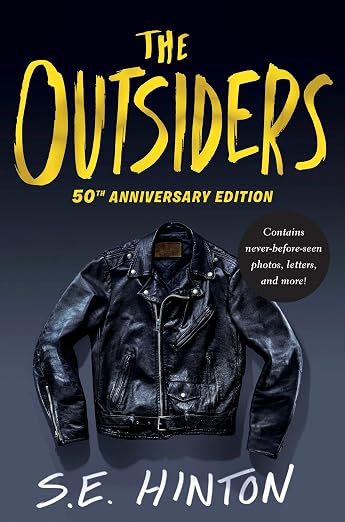
Hinton’s novel follows teenager Ponyboy Curtis and his friend group, the Greasers, as they deal with violence and the struggle for identity when compared to their rivalry with the elite Socs.
Newsela ELA resources
Build context for the 1960s and social class, explore stereotypes and conflict, then compare Robert Frost’s poetry with its role in the novel.
Open the Novel Study| Resource | Reading Level / Runtime | Why this resource? | Spanish? |
|---|---|---|---|
| 1945 to the Present: The SixtiesArticle | 620L–1460L | Builds historical context for the decade in which the novel is set and helps students connect characters’ experiences to broader social changes. | ✓ Yes |
| Why it’s hard to be a poor boy with richer neighborsArticle | 570L–1300L | Helps students explore how class differences can shape identity, opportunity, and relationships between groups. | ✓ Yes |
| Scramble to flee Irma underscores rich, poor divideArticle | 540L–1220L | Extends the class divide conversation by showing how wealth and access can affect people’s choices during a crisis. |
Scroll left to right to see the full table.
| Resource | Reading Level / Runtime | Why this resource? | Spanish? |
|---|---|---|---|
| Why stereotypes should be avoidedArticle | 600L–1240L | Supports discussion about how labels like “Greasers” and “Socs” shape how characters see one another and themselves. | ✓ Yes |
| Study: Teachers’ implicit bias against black students starts in preschoolArticle | 600L–1270L | Helps students connect the novel’s themes about bias and assumptions to real-world examples of how prejudice can affect young people. | |
| The barrier-breaking power of learning someone else’s storyArticle | 580L–1140L | Connects to the novel’s empathy themes and helps students consider how hearing another person’s story can challenge group boundaries. | ✓ Yes |
Scroll left to right to see the full table.
| Resource | Reading Level / Runtime | Why this resource? | Spanish? |
|---|---|---|---|
| How and why does conflict occur?Article | 560L–1240L | Gives students a framework for analyzing why conflict begins, escalates, and affects individuals and communities. | ✓ Yes |
| Using brain science to teach Chicago teens how to stop violenceArticle | 550L–1230L | Connects to the novel’s violence and conflict themes while giving students a real-world example of intervention and prevention. | ✓ Yes |
| How Nipsey Hussle’s death inspired peace talks among L.A. gangsArticle | 560L–1140L | Helps students discuss how communities can respond to violence and work toward breaking cycles of conflict. | ✓ Yes |
Scroll left to right to see the full table.
| Resource | Reading Level / Runtime | Why this resource? | Spanish? |
|---|---|---|---|
| “Nothing Gold Can Stay”: A poem by Robert FrostPoem | 800L | Supports close reading of a poem that is central to the novel’s ideas about innocence, change, and loss. | |
| “Stopping By Woods On Snowy Evening” by Robert FrostPoem | Gives students another Frost poem for comparing imagery, mood, and the way style choices can carry meaning. |
Scroll left to right to see the full table.
In Muñoz Ryan’s novel, Esperanza is forced to flee her privileged life in 1930s Mexico after her father’s murder and the loss of her family’s wealth. She must adapt to life as a migrant worker in California during the Great Depression and reset what her idea of family looks like.

Newsela ELA resources
Build context for Esperanza’s journey, examine farmworker rights and protest, and pair the novel with texts on grief, symbolism, family, and culture.
Open the Novel Study| Resource | Reading Level / Runtime | Why this resource? | Spanish? |
|---|---|---|---|
| Pam Muñoz RyanVideo | 2:35 | Introduces students to the author and gives context for the choices Ryan makes when writing about family, culture, history, and hope. | |
| History of the Mexican RevolutionArticle | 580L–1230L | Builds historical context for Esperanza’s life in Mexico and helps students understand the social changes that shape the story’s opening. | ✓ Yes |
| The Depression and The Dust BowlVideo | 2:26 | Gives students a quick overview of the economic and environmental conditions that shape life in California during the novel. | |
| Farming and the Dust Bowl During the Great DepressionArticle | 570L–1080L | Helps students connect Esperanza’s new life as a farmworker to the broader history of farming, poverty, and the Great Depression. | ✓ Yes |
| When Hoover deported 1 million Mexican Americans for supposedly stealing U.S. jobsArticle | 570L–1340L | Provides historical context for deportation and anti-Mexican discrimination during the period Esperanza’s story explores. |
Scroll left to right to see the full table.
| Resource | Reading Level / Runtime | Why this resource? | Spanish? |
|---|---|---|---|
| When Labor Laws Left Farmworkers Behind—and Vulnerable to AbuseArticle | 600L–1320L | Helps students understand unfair labor conditions and why workers in the novel push for better treatment. | ✓ Yes |
| “We’re not animals”: U.S. farmworkers labor in deadly heat with few protectionsArticle | 550L–1390L | Connects the novel’s farmworker themes to current labor issues and helps students discuss dignity, safety, and worker protections. | ✓ Yes |
| Dolores Huerta: “Yes we can!”Video | 2:36 | Introduces students to a major labor rights leader and gives them a real-world example of organizing for justice. | |
| Civil rights icon Huerta has advice for a new generation of activistsArticle | 500L–1330L | Extends the protest and labor rights conversation by showing how activism can continue across generations. | ✓ Yes |
| “Protest”: A poem by Ella Wheeler WilcoxPoem | Gives students a literary text for discussing protest, voice, and why people speak out against injustice. |
Scroll left to right to see the full table.
| Resource | Reading Level / Runtime | Why this resource? | Spanish? |
|---|---|---|---|
| How to deal with the death of a loved oneArticle | 430L–1010L | Supports sensitive discussion of grief as students follow Esperanza’s response to loss and major changes in her family. | ✓ Yes |
| SymbolismVideo | 2:06 | Prepares students to analyze symbols in the novel, including how objects, places, and images carry deeper meaning. | |
| The Sun Stands StillFiction | 620L–720L | Offers a fiction pairing for discussing cultural traditions, family relationships, and how young people navigate change. | ✓ Yes |
| “Peaches”: A poem by Adrienne SuPoem | 710L | Connects to the novel’s harvest imagery and gives students a poetic pairing for discussing memory, food, family, and culture. | |
| “Walnuts in Nangarhar”: A poem by Zohra SaedPoem | 670L | Helps students compare how poems can use food, place, and memory to explore identity and connection to home. | |
| Basket weavers plant the seeds of Gullah culture in the next generationArticle | 610L–1260L | Supports discussion about how traditions are passed down and how family history and culture shape identity. | |
| How kiddie pools of kimchi bind Korean families togetherArticle | 460L–1240L | Gives students another real-world example of how food, family, and tradition can preserve culture across generations. | ✓ Yes |
Scroll left to right to see the full table.
In Alexander’s novel in verse, preteen Josh Bell experiences sibling rivalry and family loss. He must figure out how to balance his love for basketball with these and other challenges of growing up.

Newsela ELA resources
Introduce the novel’s verse form, connect basketball to self-expression, and choose texts on hair, family relationships, and grief as students follow Josh’s story.
Open the Novel Study| Resource | Reading Level / Runtime | Why this resource? | Spanish? |
|---|---|---|---|
| Poet writes slam-dunking kids’ novelVideo | 4:26 | Introduces students to Kwame Alexander and gives them context for how poetry, basketball, and storytelling come together in the novel. | |
| Novel in verseVideo | 2:40 | Prepares students to read the book’s format and notice how verse can reveal character, emotion, rhythm, and theme. | |
| What are free verse poems?Video | 0:40 | Gives students a quick introduction to free verse before they analyze Alexander’s structure and line breaks. | |
| Figures of speechExplainer | 590L–1210L | Supports close reading of the novel’s figurative language and helps students name the craft moves they notice in Josh’s narration. | ✓ Yes |
| “blessing the boats”: A poem by Lucille CliftonPoem | Gives students another poem to study for imagery, voice, and movement through challenge or uncertainty. |
Scroll left to right to see the full table.
| Resource | Reading Level / Runtime | Why this resource? | Spanish? |
|---|---|---|---|
| To excel at basketball, it’s mind over matterArticle | 360L–920L | Connects to Josh’s athletic mindset and helps students discuss how focus, confidence, and pressure affect performance on and off the court. | ✓ Yes |
| Curious: BasketballVideo | 3:00 | Builds background knowledge about basketball so students can better understand the sport-specific language and action in the novel. | |
| Indigenous players from across the U.S. head to Northern California for basketball tourneyArticle | 670L–1170L | Shows students how basketball can build community, identity, and pride beyond the world of professional sports. | |
| Two Somali teens turn to basketball for expressionArticle | 580L–1270L | Connects basketball to self-expression and helps students discuss how sports can give young people a way to process identity and experience. |
Scroll left to right to see the full table.
| Resource | Reading Level / Runtime | Why this resource? | Spanish? |
|---|---|---|---|
| What’s in a hairstyle? A lot. New York City bans bias against Black hairArticle | 600L–1490L | Connects to Josh’s hair and identity by helping students explore how appearance can carry personal, cultural, and social meaning. | ✓ Yes |
| Massachusetts just banned hair discrimination; these twins paved the wayArticle | 570L–1370L | Extends the conversation about hair, bias, and identity by showing students how young people helped change a state law. |
Scroll left to right to see the full table.
| Resource | Reading Level / Runtime | Why this resource? | Spanish? |
|---|---|---|---|
| Prince Fire Flash and Prince Fire Fade: a Japanese storyFiction | 910L–940L | Gives students a sibling-story pairing for discussing rivalry, loyalty, difference, and how family bonds shape identity. | ✓ Yes |
| For the first time, twins to compete together at National Spelling BeeArticle | 550L–1150L | Supports discussion about sibling relationships, shared goals, competition, and what it means to grow alongside someone close to you. | |
| How to deal with the death of a loved oneArticle | 430L–1010L | Supports sensitive discussion of grief and helps students process how loss affects Josh, his family, and the novel’s themes. | ✓ Yes |
| “On Friendship”: A poem by Kahlil GibranPoem | Offers a poetic pairing for discussing friendship, brotherhood, support, and the relationships that shape a person’s sense of self. | ||
| “O Captain! My Captain”: A poem by Walt WhitmanPoem | 650L | Gives students a classic poem for discussing admiration, leadership, grief, and how poets use form to express loss. |
Scroll left to right to see the full table.
Park’s novel tells parallel stories of fictional Nya, a girl who deals with a water crisis in her village, and the real-life experiences of Salva Dut, one of Sudan’s Lost Boys who brings clean water to his homeland.

Newsela ELA resources
Build context for Salva and Nya’s stories, examine refugee journeys and unequal water access, then use poetry to explore water and the natural world.
Open the Novel Study| Resource | Reading Level / Runtime | Why this resource? | Spanish? |
|---|---|---|---|
| The people of Sudan and South SudanVideo | 3:14 | Builds background knowledge about the people and region at the center of Salva and Nya’s stories. | |
| Hunger and warArticle | 570L–1380L | Helps students understand how war can disrupt food access, safety, and daily life for individuals and communities. | ✓ Yes |
| The plight of refugees, asylum seekers and IDPs around the globeArticle | 590L–1130L | Gives students context for Salva’s refugee experience and helps them distinguish between refugees, asylum seekers, and internally displaced people. | ✓ Yes |
| Sudan, Part 1Article | 1320L | Provides deeper historical and geographic context for the conflict and conditions that shape the novel. | |
| Sudan, Part 2Article | 1300L | Continues the background-building students need to understand Sudan, South Sudan, and the events surrounding Salva’s journey. | |
| From a child soldier in Sudan to a hip-hop starVideo | 5:03 | Gives students a real-world example of survival, trauma, and resilience connected to child soldier experiences. |
Scroll left to right to see the full table.
| Resource | Reading Level / Runtime | Why this resource? | Spanish? |
|---|---|---|---|
| Refugees thank adoptive North Dakota city by feeding the hungryArticle | 540L–1290L | Shows how refugee communities can contribute to and build connections with the places where they resettle. | |
| Michigan family who survived the Darfur genocide helps other Sudanese refugeesArticle | 550L–1010L | Connects the novel’s refugee and Sudanese history themes to a family’s real-world story of survival and support. | |
| The refugee who ran at the Olympics: “You can change the world”Article | 380L–980L | Helps students discuss resilience, opportunity, and how personal stories can inspire action beyond one person’s experience. | ✓ Yes |
Scroll left to right to see the full table.
| Resource | Reading Level / Runtime | Why this resource? | Spanish? |
|---|---|---|---|
| Two million Americans still don’t have running water, new report saysArticle | 610L–1400L | Connects Nya’s water crisis to water access issues in the United States and helps students see resource inequality as a global and local issue. | |
| Stories from around the world showcase the problem of water inequalityArticle | 570L–1460L | Broadens the water access conversation and helps students compare how unequal resource distribution affects communities worldwide. | |
| Goal 6: Clean water and sanitationVideo | 2:26 | Introduces the global goal of clean water and sanitation so students can connect the novel to international development efforts. | |
| How can rain create conflict? Precipitation and water useVideo | 9:38 | Helps students understand how water availability, climate, and resource use can create tension between people and communities. | |
| Years into a climate disaster, these people are eating the unthinkableArticle | 610L–1310L | Extends discussion of climate, hunger, and survival when environmental conditions make daily life harder. |
Scroll left to right to see the full table.
| Resource | Reading Level / Runtime | Why this resource? | Spanish? |
|---|---|---|---|
| “Behold the Water of Waters”: A poem by RumiPoem | Gives students a poetic pairing for discussing water as a symbol of life, movement, and meaning. | ||
| “Earth”: A poem by Avery FisherPoem | 1090L | Offers a literary text for exploring how writers describe the natural world and people’s relationship to it. | |
| “Rain Music”: A poem by Neal LevinPoem | Supports discussion about water imagery, sound, and mood through a short poetic text. |
Scroll left to right to see the full table.
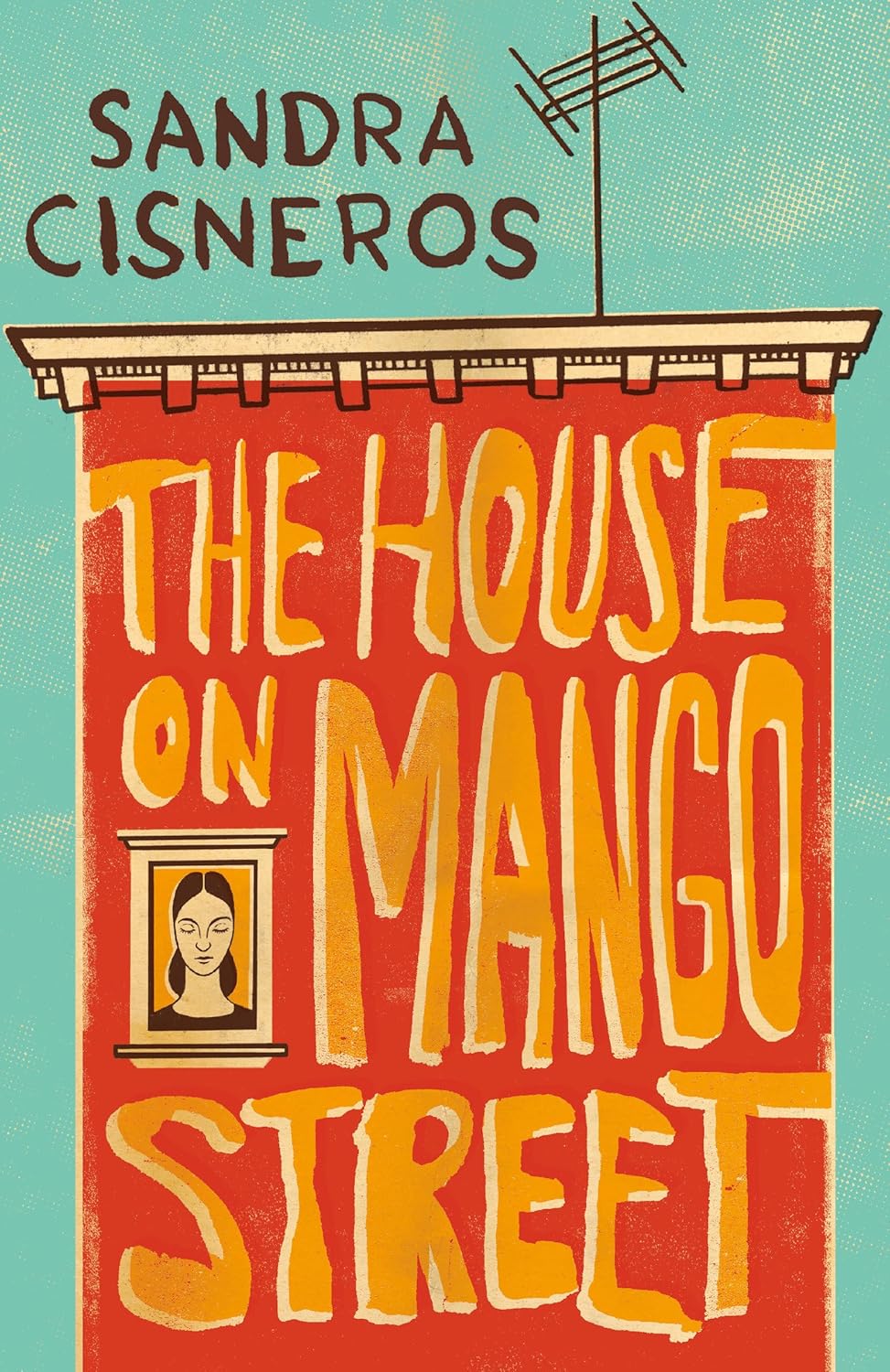
In Cisneros’ novel, readers follow a year in the life of Esperanza Cordero, a Chicana girl living in a poor Latino neighborhood in Chicago.
Newsela ELA resources
Introduce Cisneros’s voice and vignette style, then choose texts on gender expectations, language, identity, and belonging as students read.
Open the Book Study| Resource | Reading Level / Runtime | Why this resource? | Spanish? |
|---|---|---|---|
| Writers: Sandra CisnerosVideo | 2:32 | Introduces students to Sandra Cisneros and gives them context for the author’s voice, perspective, and approach to storytelling. | |
| Author Sandra Cisneros explains how writing is a therapyInterview | 500L–1050L | Helps students connect writing, memory, and identity as they study how Esperanza uses language to understand herself and her world. | ✓ Yes |
| Coming of ageVideo | 2:42 | Introduces students to the coming-of-age genre so they can track how Esperanza changes across the novella’s vignettes. | |
| How to write a personal narrativeExplainer | 570L–1070L | Prepares students to write about personal experiences while thinking about voice, structure, reflection, and meaning. | ✓ Yes |
| Writing well: The elements of narrative writingExplainer | 570L–1080L | Supports students as they study and practice the narrative techniques Cisneros uses to create vivid, meaningful vignettes. | ✓ Yes |
Scroll left to right to see the full table.
| Resource | Reading Level / Runtime | Why this resource? | Spanish? |
|---|---|---|---|
| The importance of an unhappy adolescenceVideo | 6:01 | Supports discussion about coming of age and how difficult experiences can shape a young person’s voice, choices, and self-understanding. | |
| Gender stereotypes are firmly rooted by age 10: global studyArticle | 600L–1600L | Connects to the novella’s gender-role themes and helps students discuss how expectations can shape childhood and adolescence. | ✓ Yes |
| Want to raise an empowered girl? Then let her be funnyArticle | 580L–1150L | Extends the conversation about gender, voice, and confidence as students think about Esperanza’s growth and self-expression. | ✓ Yes |
| “Platform for Action” provides a road map to gender equalityArticle | 740L–1360L | Gives students a broader context for discussing gender equality and the societal expectations that affect girls and women. | ✓ Yes |
Scroll left to right to see the full table.
| Resource | Reading Level / Runtime | Why this resource? | Spanish? |
|---|---|---|---|
| Poet Amanda Gorman has a way with wordsArticle | 420L–700L | Shows students how a young writer can use language, story, and performance to express identity and speak to a larger community. | |
| National Youth Poet Laureate says, “Your story is always going to be important”Article | 550L–1180L | Reinforces the idea that students’ own stories matter and connects to Esperanza’s search for voice and self-definition. | |
| Salvadoran poet writes to humanize the immigrant storyArticle | 540L–1280L | Connects poetry, identity, and immigration as students explore how writers use personal stories to challenge stereotypes and build empathy. | ✓ Yes |
| “The U.S. of Us”: A poem by Richard BlancoPoem | 1230L | Offers a poetic pairing for discussing language, place, identity, and what it means to belong in a community. | |
| Opinion: Half of the world is bilingual, and America is behindArticle | 590L–1240L | Supports discussion about bilingualism and helps students connect language to identity, opportunity, and school experiences. | ✓ Yes |
| Fewer Latinos are speaking only Spanish at homeArticle | 560L–1150L | Gives students data-based context for discussing language, culture, home, and identity across generations. | ✓ Yes |
| Someone to lean on arrives just as you need a friendArticle | 370L–950L | Connects to the novella’s relationship themes and helps students discuss friendship, support, and the people who shape a young person’s perspective. | ✓ Yes |
Scroll left to right to see the full table.
High schoolers are ready for books that examine complex choices, historical tensions, social issues, and identity. These Newsela ELA novel and book studies can help you connect student-favorite titles to resources that push them to question the world they live in.
In Stone’s novel, high schooler Justyce McAllister confronts racism and brutality after a wrongful arrest. He writes letters to Dr. Martin Luther King Jr. as he tries to find his own identity and navigate a divided society.

Newsela ELA resources
Introduce Nic Stone and Dr. King’s legacy, then select texts on racial profiling, representation, college access, activism, and media as students read Justyce’s story.
Open the Novel Study| Resource | Reading Level / Runtime | Why this resource? | Spanish? |
|---|---|---|---|
| Nic StoneVideo | 2:47 | Introduces students to the author and gives context for Stone’s choices around identity, justice, and writing for young adult readers. | |
| Civil Rights Leaders: Martin Luther King Jr.Biography | 500L–1210L | Builds historical context for Justyce’s letters to Dr. King and helps students understand the ideas he is trying to apply to his own life. | ✓ Yes |
| Did you know? Martin Luther King Jr.Video | 2:19 | Gives students a quick overview of Dr. King’s life and legacy before they examine how his teachings influence Justyce. | |
| Primary Sources: Martin Luther King’s “Letter from Birmingham Jail”Letter | 480L–1220L | Lets students read a key primary source connected to the novel’s letter-writing structure, moral questions, and justice themes. | ✓ Yes |
| King’s granddaughter, 10, is finding her own way as an activistArticle | 420L–1050L | Connects Dr. King’s legacy to a younger generation and helps students discuss how young people can continue work for justice. | ✓ Yes |
Scroll left to right to see the full table.
| Resource | Reading Level / Runtime | Why this resource? | Spanish? |
|---|---|---|---|
| Issue Overview: Racial profilingArticle | 550L–1310L | Connects directly to Justyce’s wrongful arrest and helps students discuss how racial profiling affects individuals and communities. | ✓ Yes |
| Why stereotypes should be avoidedArticle | 600L–1240L | Supports discussion about the harm of assumptions and how stereotypes shape the way characters are seen and treated. | ✓ Yes |
| Indigenous superhero comics leap stereotypes in a single boundArticle | 620L–1060L | Expands the stereotype conversation by showing how representation can challenge limited or harmful portrayals of communities. | |
| “Dearborn Girl” podcasters “reclaim the mic” for communityArticle | 530L–1250L | Shows students how young people can use media and storytelling to challenge stereotypes and represent their communities. | |
| This college sophomore wants to change how we talk about disabilitiesArticle | 560L–1130L | Supports broader discussion about bias, inclusive language, identity, and how people can challenge assumptions through advocacy. | ✓ Yes |
Scroll left to right to see the full table.
| Resource | Reading Level / Runtime | Why this resource? | Spanish? |
|---|---|---|---|
| PRO/CON: Affirmative action at colleges and universitiesArticle | 770L–1480L | Helps students examine opportunity, access, and college admissions as they discuss privilege and institutional barriers. | |
| Opinion: What science has to say about affirmative actionArticle | 710L–1470L | Gives students another perspective on affirmative action and helps them support claims about opportunity and bias with evidence. | ✓ Yes |
| Opinion: College admissions scandal reopens old woundsArticle | 600L–1220L | Connects privilege and college access to a current-events example students can compare with the novel’s questions about fairness and opportunity. |
Scroll left to right to see the full table.
| Resource | Reading Level / Runtime | Why this resource? | Spanish? |
|---|---|---|---|
| How “Black Lives Matter” became a U.S. protest cryArticle | 610L–1400L | Supports discussion about activism, protest, police violence, and the ways communities respond to injustice. | ✓ Yes |
| American Government: The impact of the mediaArticle | 610L–1280L | Helps students analyze how media can shape public perception of events, people, and social issues. |
Scroll left to right to see the full table.
In Bradbury’s dystopian novel, Guy Montag questions society’s ban on books and goes against his job to preserve knowledge and free thought.

Newsela ELA resources
Introduce Bradbury and dystopian fiction, examine censorship and access to books, then compare the novel’s media culture with modern technology and propaganda.
Open the Novel Study| Resource | Reading Level / Runtime | Why this resource? | Spanish? |
|---|---|---|---|
| How to recognize a dystopiaVideo | 5:50 | Introduces students to dystopian fiction so they can identify how Bradbury uses setting, control, fear, and social critique in the novel. | |
| Writers: Ray BradburyVideo | 2:33 | Gives students a quick introduction to Bradbury and helps them connect the author’s interests to the novel’s ideas about books, society, and technology. | |
| Powering through prose: Ray BradburyVideo | 12:14 | Supports discussion about Bradbury’s style, language, and craft choices before students analyze how his prose builds mood and meaning. | |
| Lev Grossman discusses Ray Bradbury’s life, work and legacyVideo | 4:51 | Helps students understand Bradbury’s broader literary legacy and why his warnings about technology and culture still resonate. | |
| Authors: Ray BradburyBiography | 530L–1090L | Builds author background students can use when discussing Bradbury’s influences, recurring themes, and role in science fiction. | ✓ Yes |
| Essay: Why “Fahrenheit 451” will always be terrifyingEssay | 590L–1490L | Connects directly to the novel’s lasting impact and helps students discuss why censorship, distraction, and conformity remain relevant concerns. | ✓ Yes |
Scroll left to right to see the full table.
| Resource | Reading Level / Runtime | Why this resource? | Spanish? |
|---|---|---|---|
| What the First Amendment protects—and what it doesn’tExplainer | 600L–1300L | Gives students civic context for discussing censorship, free expression, and the limits of speech protections. | ✓ Yes |
| Opinion: What it’s like to top banned-book lists around the worldArticle | 560L–1220L | Connects the novel’s book banning themes to a real author’s experience and helps students consider the effects of censorship on writers and readers. | |
| Banning books like “13 Reasons Why” is never the answer, author saysArticle | 560L–1120L | Helps students debate when, if ever, limiting access to books is appropriate and what schools should consider when books raise difficult topics. | |
| Opinion: The death of reading is threatening the soulArticle | 580L–1050L | Supports discussion about the value of reading, knowledge, reflection, and sustained attention in a society shaped by screens and speed. | ✓ Yes |
Scroll left to right to see the full table.
| Resource | Reading Level / Runtime | Why this resource? | Spanish? |
|---|---|---|---|
| Malcolm X’s former prison cell becomes first of 1,000 planned “freedom libraries”Article | 560L–1280L | Extends discussion about access to books and shows students a real-world example of libraries as tools for knowledge, dignity, and change. | |
| Poet Reginald Dwayne Betts talks about his groundbreaking prison library projectArticle | 560L–1370L | Shows how access to books can shape identity, opportunity, and community, reinforcing the novel’s argument about the value of reading. |
Scroll left to right to see the full table.
| Resource | Reading Level / Runtime | Why this resource? | Spanish? |
|---|---|---|---|
| PRO/CON: Is binge-watching a harmless pleasure or a harmful addiction?Article | 580L–1290L | Connects to the novel’s concerns about passive entertainment and helps students weigh the benefits and drawbacks of screen-based habits. | ✓ Yes |
| The global rise of social media and the changed worldArticle | 560L–1250L | Helps students compare Bradbury’s imagined media culture with today’s social media landscape and its effects on communication and society. | ✓ Yes |
| Healthy screen time is one challenge of distance learningArticle | 400L–980L | Gives students a practical connection to the novel’s technology themes by inviting discussion about healthy digital habits. | ✓ Yes |
| Student Opinion: Limit your use of technologyArticle | 580L–1210L | Helps students consider the costs of constant technology use and connect the novel’s warnings to their own daily lives. | ✓ Yes |
| American Government: The impact of the mediaArticle | 610L–1280L | Supports analysis of how media can shape public understanding, political ideas, and people’s willingness to question authority. | |
| Four ways to protect yourself from disinformationArticle | 600L–1190L | Connects to the novel’s media and truth themes by helping students practice evaluating information and resisting manipulation. | |
| PropagandaVideo | 2:33 | Introduces students to propaganda so they can analyze how governments and media systems influence thought and behavior. | |
| Propaganda todayVideo | 2:16 | Helps students connect propaganda to modern media environments and discuss how persuasive messages shape public perception. |
Scroll left to right to see the full table.
In Steinbeck’s Depression-era novel, two migrant workers, George and Lennie, travel to California for work but find themselves caught up in difficult situations that force them to make hard choices.

Newsela ELA resources
Build context for Depression-era labor, examine characters’ dreams and Steinbeck’s style, and select texts that help students discuss race, gender, and unequal opportunity.
Open the Novel Study| Resource | Reading Level / Runtime | Why this resource? | Spanish? |
|---|---|---|---|
| Farming and the Dust Bowl During the Great DepressionArticle | 570L–1080L | Builds historical context for the environmental and economic conditions that shaped life for workers during the Depression era. | ✓ Yes |
| The Great DepressionExplainer | 660L–1490L | Gives students a clear overview of the economic crisis that frames George and Lennie’s search for work, stability, and hope. | ✓ Yes |
| A Brief History of American Farm LaborArticle | 570L–1420L | Provides background on farm labor so students can better understand the work, instability, and exploitation present in the novella. | ✓ Yes |
| When Labor Laws Left Farmworkers Behind—and Vulnerable to AbuseArticle | 600L–1320L | Helps students discuss how poor labor protections can make workers vulnerable and connect historical conditions to broader questions about justice. | ✓ Yes |
| Dorothea Lange used photography to make an ugly world beautifulArticle | 580L–1320L | Gives students visual and historical context for Depression-era hardship and shows how art can document poverty, dignity, and survival. | ✓ Yes |
| “Of Mice and Men”: Context and backgroundVideo | 4:16 | Gives students a concise overview of the novella’s historical and literary context before they begin close reading. |
Scroll left to right to see the full table.
| Resource | Reading Level / Runtime | Why this resource? | Spanish? |
|---|---|---|---|
| What is the American Dream?Article | 590L–1480L | Helps students analyze George and Lennie’s dream and question whether the American Dream is equally accessible to everyone. | |
| “Calling Dreams”: A poem by Georgia Douglas JohnsonPoem | 1050L | Offers a literary pairing for discussing dreams, longing, and the emotional risks of hoping for a different future. | |
| “Of Mice and Men”: Steinbeck’s writing styleVideo | 5:35 | Helps students analyze Steinbeck’s style, including how dialogue, description, symbolism, and structure develop character and theme. |
Scroll left to right to see the full table.
| Resource | Reading Level / Runtime | Why this resource? | Spanish? |
|---|---|---|---|
| Jim Crow and the Great MigrationArticle | 550L–1420L | Builds context for the racism and limited opportunities that shaped life for Black Americans during the era of the novella. | ✓ Yes |
| African-Americans and the CCCArticle | 410L–1240L | Helps students examine how New Deal programs affected Black Americans and connect historical policy to unequal treatment and opportunity. | ✓ Yes |
| Famous Speeches: Cady Stanton’s Address on “The Destructive Male”Speech | 580L–1490L | Supports discussion about gender, power, and how marginalized voices challenge social expectations and unequal treatment. | ✓ Yes |
Scroll left to right to see the full table.
In Orwell’s allegorical novella, farm animals overthrow their human counterparts and establish their own society, but the pigs eventually stage a takeover and illustrate the corruption and ideas of totalitarianism.

Newsela ELA resources
Introduce Orwell’s allegory, build context for the Russian Revolution, and select texts on economic systems, government power, and propaganda as students read.
Open the Novel Study| Resource | Reading Level / Runtime | Why this resource? | Spanish? |
|---|---|---|---|
| AllegoryVideo | 2:52 | Introduces students to allegory so they can analyze how Orwell uses animals, characters, and events to represent political ideas. | |
| “Animal Farm” context and backgroundVideo | 6:48 | Builds background knowledge about the novel’s historical and political context before students begin close reading. | |
| Authors: George OrwellBiography | 540L–1080L | Gives students author context for Orwell’s political concerns, writing choices, and use of fiction to critique power. | ✓ Yes |
| What is a paradox?Explainer | 830L–1030L | Prepares students to analyze Orwell’s paradoxes and discuss how contradictions reveal hypocrisy, inequality, and corruption. | ✓ Yes |
| “Animal Farm”: Writing styleVideo | 5:04 | Helps students analyze Orwell’s style, including how simplicity, satire, allegory, and repetition make the novel’s political critique accessible and sharp. |
Scroll left to right to see the full table.
| Resource | Reading Level / Runtime | Why this resource? | Spanish? |
|---|---|---|---|
| The Russian Revolution, the Short VersionArticle | 590L–1420L | Provides essential historical context for the revolution that influenced the novel’s plot, characters, and political critique. | ✓ Yes |
| World Leaders: Vladimir LeninBiography | 540L–1260L | Helps students connect historical leaders to the novel’s allegorical figures and understand the origins of the Soviet state. | ✓ Yes |
| Lenin versus Stalin: Their showdowns and the birth of the Soviet UnionArticle | 530L–1350L | Supports comparison of leadership, rivalry, and power struggles that echo the novel’s conflicts after the animals take over the farm. | ✓ Yes |
| World Leaders: Joseph StalinBiography | 650L–1250L | Builds context for students analyzing dictatorship, intimidation, propaganda, and the concentration of power in the novel. | ✓ Yes |
Scroll left to right to see the full table.
| Resource | Reading Level / Runtime | Why this resource? | Spanish? |
|---|---|---|---|
| The Three Great Thinkers Who Changed EconomicsArticle | 650L–1340L | Gives students background on economic ideas they can use when discussing labor, ownership, inequality, and political systems in the novel. | ✓ Yes |
| Comparing economic systems: capitalism, communism, and socialismArticle | 600L–1220L | Helps students define and compare economic systems before analyzing the farm’s changing rules, labor structure, and power dynamics. | ✓ Yes |
| Comparing governments: democracy vs. authoritarianismArticle | 570L–1270L | Supports discussion about how the animals’ original ideals shift as the pigs consolidate power and limit participation. | ✓ Yes |
| Opinion: Democrats run from socialism but embrace socialist policiesArticle | 570L–1440L | Extends discussion about political labels and helps students think critically about how terms like socialism are used in public debate. | ✓ Yes |
| The power of ordinary people facing totalitarianismArticle | 590L–1290L | Connects to the novel’s totalitarianism themes and helps students discuss what ordinary people can do when leaders abuse power. | ✓ Yes |
Scroll left to right to see the full table.
| Resource | Reading Level / Runtime | Why this resource? | Spanish? |
|---|---|---|---|
| PropagandaVideo | 2:33 | Introduces students to propaganda so they can analyze how slogans, speeches, and repeated messages influence the animals. | |
| How propaganda worksExplainer | 600L–1320L | Gives students a framework for identifying propaganda techniques and explaining how political messaging shapes public perception. | ✓ Yes |
| These Soviet propaganda posters once evoked heroism, pride and anxietyPhotos | 990L–1000L | Uses visual primary-source-style material to help students examine how governments can use images to create emotion, loyalty, and fear. | ✓ Yes |
Scroll left to right to see the full table.
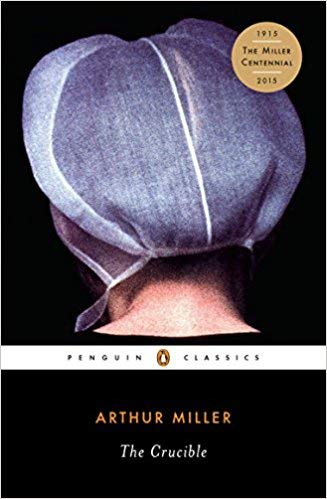
In Miller’s dramatization of the Salem Witch Trials, readers become immersed in the hysteria of false accusations, mass paranoia, and the execution of innocent people that happened in Salem, Massachusetts, in 1692.
Newsela ELA resources
Build context for Salem and McCarthyism, then select texts on public panic, gender, power, and forgiveness as students analyze Miller’s play.
Open the Book Study| Resource | Reading Level / Runtime | Why this resource? | Spanish? |
|---|---|---|---|
| The Salem Witch Trials: What really happened?Video | 1:48 | Introduces students to the historical event that inspired the play and helps them begin separating fact, fear, and public myth. | |
| A Brief History of the Salem Witch TrialsArticle | 500L–1240L | Builds historical background about accusations, trials, and executions so students can better understand the play’s setting and stakes. | ✓ Yes |
| The site where Salem’s “witches” were executed is now next to a WalgreensArticle | 480L–1240L | Helps students connect the history of Salem to public memory, place, and how communities reckon with difficult past events. | |
| Why Europe’s wars of religion put 40,000 “witches” to a terrible deathArticle | 590L–1320L | Expands the historical context beyond Salem and helps students discuss how religion, fear, and social pressure fueled witch hunts. |
Scroll left to right to see the full table.
| Resource | Reading Level / Runtime | Why this resource? | Spanish? |
|---|---|---|---|
| The 1950s Part One: McCarthy and the Red ScareArticle | 560L–1340L | Builds context for Miller’s allegory by helping students understand the Red Scare and the political climate that shaped the play. | ✓ Yes |
| Famous Speeches: Joseph McCarthy’s “Enemies from Within”Speech | 590L–1350L | Lets students examine a primary-source-style text connected to accusation, fear, and public persuasion during the McCarthy era. | ✓ Yes |
| AllegoryVideo | 2:52 | Introduces students to allegory so they can analyze how Miller uses Salem to comment on fear, accusation, and political power in another era. |
Scroll left to right to see the full table.
| Resource | Reading Level / Runtime | Why this resource? | Spanish? |
|---|---|---|---|
| Don’t fall for a conspiracy theory; here’s how to protect yourselfArticle | 560L–1140L | Connects the play’s panic and rumor themes to modern information literacy and helps students discuss why people believe unproven claims. | ✓ Yes |
| The real consequences of fake news and why your brain can’t ignore itArticle | 540L–1350L | Helps students analyze how misinformation spreads and why public perception can shift quickly when fear is involved. | ✓ Yes |
| Opinion: The caravan is coming! And it’s high time to calm the rising media frenzyArticle | 630L–1190L | Gives students a current-events connection for discussing public panic, media framing, and the consequences of fear-based narratives. | |
| Misguided virus fears said to be hitting Asian American businessesArticle | 600L–1310L | Connects the play’s scapegoating themes to a modern example of how fear can harm communities and fuel unfair blame. |
Scroll left to right to see the full table.
| Resource | Reading Level / Runtime | Why this resource? | Spanish? |
|---|---|---|---|
| Famous Speeches: Sojourner Truth’s “Ain’t I a Woman?” (1863 account)Speech | 540L–1280L | Supports discussion about gender, power, and who gets believed or dismissed in public spaces. | ✓ Yes |
| Famous Speeches: Cady Stanton’s Address on “The Destructive Male”Speech | 580L–1490L | Helps students examine arguments about gender and power as they analyze the relationships and social structures in the play. | ✓ Yes |
| Famous Speeches: Gloria Steinem’s Testimony on Equal Rights AmendmentSpeech | 590L–1160L | Extends the gender and power conversation by giving students another argument about rights, equality, and public decision-making. | ✓ Yes |
| ForgivenessVideo | 2:19 | Supports discussion about guilt, confession, redemption, and whether genuine forgiveness is possible after harm. |
Scroll left to right to see the full table.
Tapping into students' interests that align with your curriculum and state mandates is one of the best ways to keep them engaged and excited to learn while meeting your educator goals.
Newsela ELA’s Novel and Book Studies collection can help your students build background knowledge, practice in-context literacy skills, and explore diverse perspectives when you’re reading a whole-class novel or when they’re exploring books for fun.
Not a Newsela customer yet? Sign up for free and start your 45-day trial. You’ll get access to our Novel and Book Studies collection and additional premium ELA, social studies, and science content and activities to take your lessons to the next level!

Discover summer reading recommendations for elementary, middle, and high school students and resources to help make the themes of the stories come alive.

Find novel and nonfiction book selections to share with students of all grade bands for Read Across America Day and beyond.

Celebrate March Into Reading with cross-subject texts, skill-building lessons, and trusted Newsela resources designed for teachers at every grade level.


.jpg)
.jpg)