Newsela launched in 2013 with a bold mission: Meaningful classroom learning for every student. Today, our team constantly strives to deliver powerful solutions that inspire our users.
Halloween already gives students plenty to talk about, but the history behind the holiday can give them something to investigate. From Celtic traditions to local lore, Halloween opens the door to social studies questions about culture, community, folklore, and how stories change over time.
Use these Newsela Social Studies activities to help students explore the history of Halloween through multimodal content and creative projects. Each activity connects a spooky topic to a broader learning goal, such as comparing traditions, analyzing evidence, or explaining how myths become part of culture.
Jump to
[Explore spooky history for a chance to win](id-spooky-history-contest)
Bring myths, folklore, and legends into your classroom with the Spooky History Collection. Use this or another Newsela Social Studies lesson to help students investigate the stories behind spooky traditions and practice critical thinking. Upload a photo of your lesson in action by October 30 for a chance to win $150 for a classroom party!
[Teach Halloween history through culture, tradition, and inquiry](id-culture)
Key Takeaways
●Start with what students already recognize. Costumes, candy, pumpkins, and scary stories give students a familiar entry point before they read about Halloween’s origins and customs.
●Keep cultural comparisons specific. Halloween and Día de Muertos sit close together on the calendar, but students should compare their histories and traditions without treating them as the same holiday.
●Use discussion before the resource work. Quick writes, brainstorms, and class conversations help students notice what they already know before they collect evidence from articles and videos.
Halloween history works well when students can move from familiar traditions like costumes and candy into questions about where those customs came from and how different cultures honor the season.
How did Halloween traditions begin?
Halloween history lesson can kick off by asking students what comes to mind when they think of the holiday. The goal is to surface what they already know, then help them ask a stronger social studies question: Where did those traditions come from?
Use this activity to help students build background knowledge, collect evidence, and share what they learn through a jigsaw discussion and exit ticket.
Classroom activity: Explore Halloween history
Use this lesson to move students from familiar Halloween symbols and traditions into historical reading, evidence gathering, and small-group discussion.
Lesson goalStudents build background knowledge about Halloween history and explain how spooky traditions can become a form of creative expression.
Start with discussion
Have students think, pair, and share what comes to mind when they think of Halloween, including images, traditions, symbols, and why those things might be connected to the holiday.
Use one color for information about the history of Halloween.
Use another color for details about Halloween customs and traditions.
For the additional article, highlight spooky details and important or interesting information.
Share with a jigsaw
Put students in groups of four with classmates who read different articles. Students can use the Jigsaw graphic organizer to take notes as each classmate shares key details.
Wrap up
Use this exit ticket: How does the spooky nature of Halloween allow people to express their creativity?
Halloween history resources
Use the full collection for article choice, jigsaw groups, or extension reading after students explore Halloween origins and traditions.
Help students connect fear, accusation, fairness, and evidence to a difficult moment in colonial history.
500L–1240L
✓Yes
Scroll left to right to see the full table.
How are Halloween and Día de Muertos similar and different?
This activity helps students compare two holidays that are close together on the calendar but have different histories and traditions. They can start by naming what they already know, then use multimodal content, graphic organizers, and small group discussion to explain how each holiday has been observed over time.
Classroom activity: Compare Halloween and Día de Muertos
Use this lesson to help students compare the histories and traditions of two holidays without flattening their different cultural meanings.
Lesson goalStudents compare the history and traditions of Halloween and Día de Muertos, then create an infographic that shows how each holiday has been observed over time.
Start with a brainstorm
Ask students what they know about the history and traditions of Halloween and Día de Muertos. Create a class list for each holiday.
Have students use a T-chart graphic organizer to take notes on the history and traditions of each holiday.
Choose one more text
Ask students to choose one additional article about Halloween or Día de Muertos and highlight details about that holiday’s traditions.
Discuss in small groups
Group students with classmates who read different articles. Have them share one or two new details, then discuss similarities and differences across the holidays.
Create an infographic
Have partners create an infographic that explains how each holiday has been observed over time. Students may make one combined infographic or separate infographics for each holiday.
Halloween and Día de Muertos resources
Use these resources for whole-class comparison, student choice reading, small-group discussion, or infographic research.
Use a lighter Halloween traditions text for student choice reading or discussion about regional patterns.
410L–1300L
Scroll left to right to see the full table.
[Explore spooky folklore, myths, and legends](id-folklore)
Key Takeaways
●Folklore gives students a question to investigate. Students can start with scary fairies, zombies, or lake monsters, then trace how the story connects to place, history, culture, or evidence.
●Creative tasks still need text evidence. Comics, sound effects, and fairy traps work best when students can point back to details from the article that shaped their choices.
●Myths can connect history and science. The Loch Ness Monster lesson lets students compare the legend people repeat with the questions scientists and historians use to investigate it.
Folklore lessons fit into social studies when students treat spooky stories as evidence trails instead of (only) entertainment. They can ask where legends come from, why people keep repeating them, and how reading and creative work make those histories visible.
What’s the history behind Ireland’s scary Halloween fairies?
This activity gives elementary students a folklore-focused way to explore the history of Halloween. Students start with what they already know about Halloween, then connect familiar traditions to stories and customs from other parts of the world.
After reading about scary fairies from Ireland, students compare Celtic Halloween traditions with ones they know from the United States. Then they use evidence from the articles to design a fairy trap, adding a STEM component to the mix.
Start with a 60-second quick write. Ask students to write anything they know about Halloween, then share one idea with a partner before the class discussion.
Build background
Explain that many Halloween traditions connect to histories from around the world. Watch Feasts and festivals: Halloween as a class, pausing for quiz questions and discussion.
Explore
Assign Halloween’s scary fairies. As students read, have them highlight details about Halloween traditions in Ireland.
Demonstrate
Have partners complete a Venn Diagram comparing Celtic Halloween traditions with traditions in the United States that students discussed earlier.
STEAM challenge
Ask students to use evidence from the article to design a trap for a regular fairy or a pooka fairy. Students can plan with the Draw-a-Model graphic organizer, label their design, and write 2–3 sentences explaining how the trap works.
Extend
When time allows, have students work together to build their fairy trap designs with classroom or recyclable materials.
Where did zombie stories come from?
Turn the high-interest topic of the undead into a lesson about folklore, origin stories, and evidence. Students start with playful survival questions, then read about zombie tales and use evidence to create their own origin-story comic. Extend the lesson with a STEAM challenge that also explores media literacy and sound design.
Classroom activity: Explore the origins of zombie stories
Use this elementary-level lesson to help students connect zombie folklore, article evidence, origin-story writing, and spooky sound design.
Lesson goalStudents explain details about the history of zombie tales, then use what they learn to create an origin-story comic and design spooky foley sound effects.
Start with a Think-Pair-Share: What is the best way to escape a zombie? As students share, make a class list and let them vote on the top three escape ideas.
Have students use the Create a Comic worksheet to write an origin story for the first zombie. Students can work alone or with a partner and should use details from the article as inspiration.
Have students gather classroom objects to make two or three foley sound effects for a zombie movie, such as footsteps, creaking doors, or zombies falling. Students can record their sounds in Formative.
Reflect
Use the Reflect and Respond graphic organizer to have students explain what they used, when the sounds could appear in a movie, what felt easy or hard, and how they could improve their effects.
Why does the Loch Ness Monster legend still capture attention?
Turn the legend of the Loch Ness Monster into an evidence-based question. Students start by exploring what they already know or think about the legend, then compare that public curiosity with the scientific search for an explanation.
This activity works because students aren’t trying to decide if the monster is “real.” They’re looking at why a legacy lasts, what kinds of evidence people collect, and how researchers investigate resurfacing stories.
Classroom activity: Investigate the Loch Ness Monster legend
Use this lesson to help students compare a long-running legend with the evidence people use to investigate it.
Lesson goalStudents explain why the Loch Ness Monster legend has lasted and how scientists have researched the story behind it.
As students read, have them use one color to highlight information about the Loch Ness Monster legend and a second color to highlight the science behind the search.
Analyze paired texts
Use the Paired Text Analysis graphic organizer to help students collect evidence that answers: How and why have scientists researched the myth surrounding the Loch Ness Monster?
Choose an activity
Research myths: Students choose another myth or legend, find at least two articles about it, and explain how scientists, historians, or other researchers have investigated it.
Create a myth or legend: Students read What are myths?, explain how myths are created, and write their own myth or legend with a short explanation of their choices.
[Connect haunted history to evidence, fairness, and community](id-haunted)
Key Takeaways
●Fear can be designed or amplified. Haunted house lessons let students study how people build suspense on purpose, while the Salem lesson shows how fear can spread through rumors and weak evidence.
●Evidence changes the conversation. Students compare scary stories, attraction design, court accusations, and historical facts by asking what can be supported and what depends on belief or rumor.
●Community context matters. Local haunted attractions can help students connect seasonal traditions to place, and the Salem Witch Trials help them examine how a community responds after harm.
Haunted houses and the Salem Witch Trials give students two different ways to study fear: One as a designed experience and the other as a historical event that can tie in to both psychology and sociology lessons.
Why do people visit haunted houses?
Students can answer this question by looking at haunted houses as both historical and scaring-by-design. They’ll explore their own experiences, then read about how haunted houses got their start and how they work today.
The creative aspect of designing a haunted house matters in the lesson because it pushes students to avoid falling back on just what “feels scary.” They have to name the ingredients of a haunted house, label design choices, and explain how those choices create a spooky experience.
Haunted house lesson sequence
Use this activity to help students move from their own haunted house experiences to historical reading, design thinking, hands-on building, and local inquiry.
Focus prompt
Why do people choose to visit places designed to scare them?
Introduce
Start with students’ haunted house experiences
Ask students whether they’ve ever been to a haunted house and what the experience was like. Use their responses to build a class list of details that make haunted houses feel scary, surprising, or fun.
Explore
Read for history and design
Assign “How haunted houses got their start.” Have students highlight details about the history of haunted houses in one color and details about haunted houses today in another.
Students use the Draw With Writing graphic organizer to design a haunted house, label key features, and write 3–4 sentences describing what makes it special.
What can the Salem Witch Trials teach students about fear and evidence?
The Salem Witch Trials give students a historical case to explore what happens when fear, rumors, and suspicions are treated like proof.
Keep the focus on evidence. Students can learn the details of the trials themselves, such as the dates and locations. But they can also explore psychological and sociological questions about how a community makes decisions, who gets to decide what counts as credible evidence, and how people respond in the aftermath of harm.
Highlight key facts. Look for dates, names, places, numbers, and details that help students ground the trials in Massachusetts in 1692–1693.
Events
Highlight important events. Track what happened and in what order so students can see how accusations, decisions, and consequences built over time.
Causes
Highlight possible causes. Ask students to look for details connected to fear, conflict, suspicion, or other explanations raised in the video and article.
Effects
Highlight effects on the community. Students should notice who was harmed, how the community responded later, and why making amends took time.
Proof?
Annotate evidence students would question. Use the discussion about spectral evidence to ask what should, and should not, count as proof in a court of law.
Close the case: Have students write one paragraph explaining what the Salem Witch Trials can teach us about fairness, evidence, and how fear can affect a community.
Keep seasonal social studies lessons going with Newsela Learning Suite
Halloween lessons can do more than fill a day in late October. With the right resources, students can learn history, compare traditions, and investigate folklore and events—all while building social studies skills.
Keep the momentum going with Newsela Learning Suite to create timely, engaging social studies lessons all year. Not a Newsela customer yet? Sign up for free to start your 45-day trial of premium and differentiated content and activities that help you plan through October and beyond.
Everything you need to accelerate learning across ELA, social studies, and science
Halloween History Activities for Social StudiesTeach Halloween history with social studies activities on Celtic traditions, Día de Muertos, haunted houses, zombies, fairy folklore, and more.Oct 13, 2026Oct 06, 2026https://cdn.prod.website-files.com/66f182e7ce15762d01b32e09/6aba9b4507db5571dd4c39a2_Halloween%20SS%20Blog%20Hero%20Image.jpghttps://cdn.prod.website-files.com/66f182e7ce15762d01b32e09/6aba9b48a4b58406f36911e8_Halloween%20SS%20Blog%20Hero%20Image%20(1).jpgChristy Walters













 Products Overview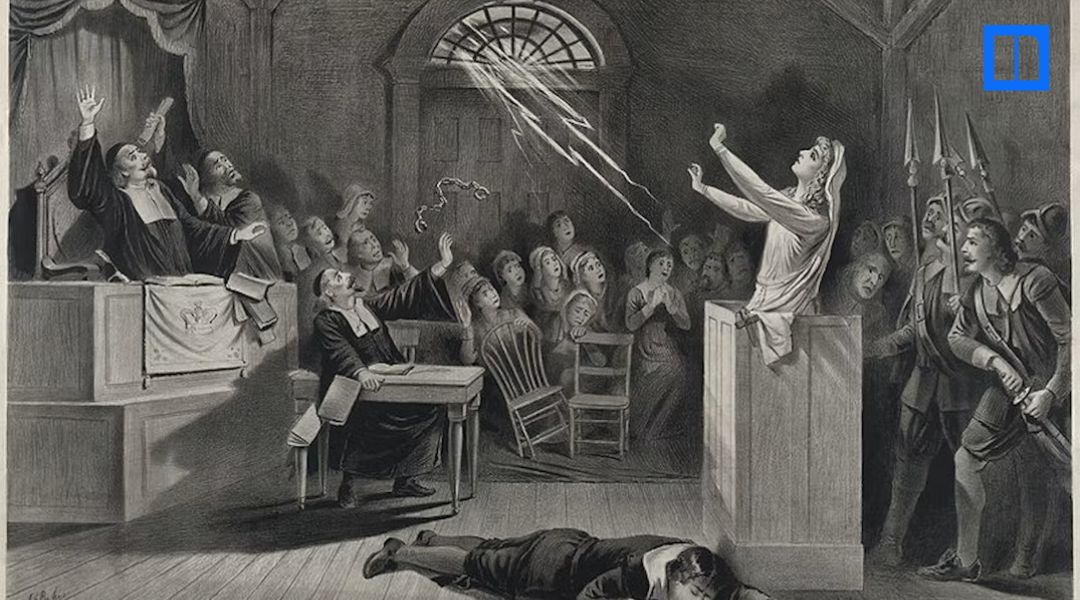


.jpg)
.jpg)


.jpg)
.jpg)