
Products

 Products Overview
Newsela products are purpose-built to unlock student motivation, inspire teachers, and drive long-lasting learning outcomes.









Resources
About
Products OverviewNewsela products are purpose-built to unlock student motivation, inspire teachers, and drive long-lasting learning outcomes.
National DNA Day, celebrated on April 25, is a great chance to dig into genetics with your students. It’s the perfect time to explore traits, inheritance, and the science behind what makes living things unique.
You don’t need complicated labs to make it meaningful. With the right articles, discussions, and visuals, you can help students connect DNA to real science happenings.
Jump to:
Key takeaways:
Students may be curious about how DNA and genes work, but the concepts can feel abstract without the right introduction.
Start with foundational concepts such as DNA structure and gene function. Then move toward how scientists use DNA in research and technology. Newsela STEM resources make it easier to build that profession without creating a full lab unit.
When introducing DNA Day, start with the big picture. Students first have to understand that DNA carries the instructions that guide how living things grow, develop, and function. Once they grasp that idea, it becomes easier to introduce concepts like genes, traits, and inheritance.
To build that understanding, use resources like:
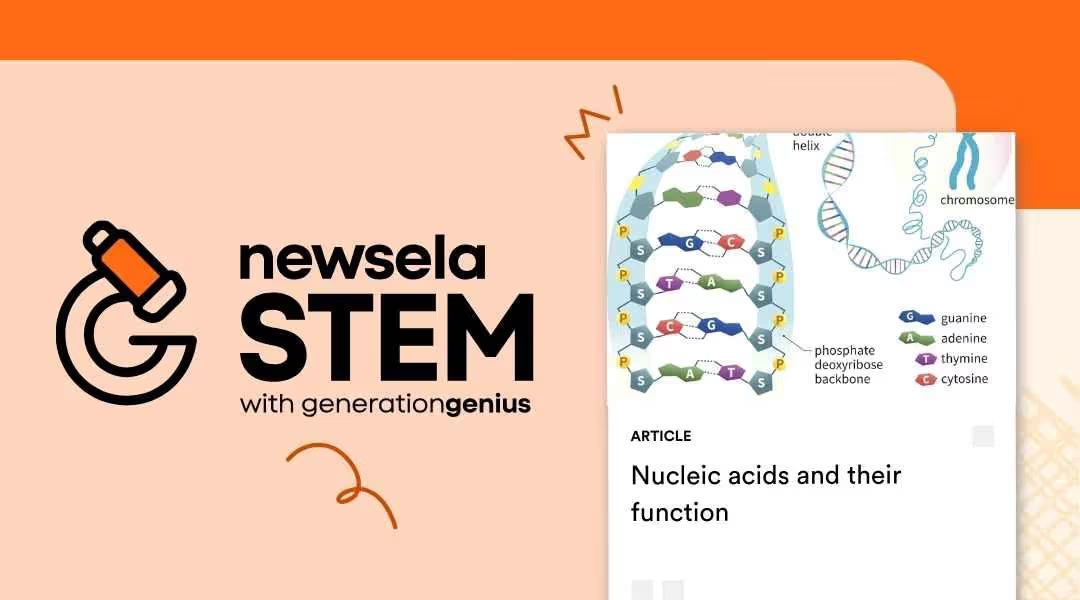
Once students know that DNA carries genetic instructions, the next step is helping them understand how that information is stored. This is where concepts like nucleic acids, molecules, and DNA structure come in. To build that understanding, focus on topics like:
DNA Day is a great opportunity to introduce how scientists analyze DNA, map genomes, and use sequencing to answer complex scientific questions. These topics help students connect classroom genetics to modern research and scientific theory.
To build that understanding, share articles on topics like:

Once students understand how DNA works, it’s helpful to show how scientists use genetic information in the real world. DNA testing plays a role in medicine, ancestry research, criminal investigations, and scientific discovery.
Exploring these examples helps students see that real professionals use DNA every day to solve problems, answer questions about identity, and support scientific research. To build that understanding, use resources like:
Biotechnology and gene editing help students see how DNA science continues to evolve. These topics also open the door to meaningful classroom discussion. Students can explore how genetic technologies affect medicine, agriculture, and scientific research.
To build that understanding, use articles on topics like:
Studying genes and traits is where students begin to make connections between genetics and the observable characteristics of living things.
DNA Day is a great opportunity to explore why organisms look and function the way they do. When students study dominant and recessive traits, they begin to see how genetic variation shapes life on Earth. To build that understanding, use resources on topics like:
Genes direct cells to build proteins, and those proteins influence the traits we observe in living organisms. DNA Day is a logical time to connect the concept of genetic information to real biological processes. When students see how genes, proteins, and inheritance work together, the science becomes easier to understand.
To build their knowledge, try resources on topics like:
Reproduction and inheritance help students connect genetics to real families, populations, and living organisms. Students can explore how scientists study heredity and investigate how traits are passed down through generations. To build that understanding, focus on topics like:
Some DNA concepts are hard for students to picture. Topics such as mutations, cells, and natural selection become much clearer when students can see models and visual explanations.
Using Newsela STEM with Generation Genius science videos helps you reinforce science standards while breaking down challenging concepts into clear, engaging explanations. Videos provide visual models that support conceptual understanding and make abstract ideas easier for students to grasp.
Each video lesson also includes a 5E lesson plan, key vocabulary, and discussion questions to minimize the prep you need to do to bring these concepts to life for your students.
Try these video selections to tailor your instruction by grade band and reinforce key science skills for National DNA Day:
K-2 Science
3-5 Science
6-8 Science

DNA research is still evolving, and new discoveries happen every year. Sharing current science stories helps students see that genetics isn’t just something scientists figured out long ago. It’s an active field that continues to shape medicine, biology, and our understanding of life.
Share articles on topics students might find interesting, like:
Key takeaways:
DNA Day lessons don’t have to stay in the science classroom. Genetics topics also open the door to strong opportunities for reading, discussion, and writing in ELA. Many DNA-related stories explore questions about identity, ethics, and scientific discovery. These topics help students practice literacy skills while engaging with real scientific ideas.
DNA Day can spark strong reading and discussion in an ELA class. Articles about genetics, traits, and inherited characteristics help students practice comprehension while exploring how biology shapes living things.
These texts also create natural writing opportunities. Students can summarize scientific ideas, explain how traits appear in animals and humans, or analyze how organisms communicate and adapt.
To get students started, try sharing texts on topics like:
%20The%20start%20of%20something%20big.avif)
You can use DNA Day to share literature that explores how genetics connects to identity, ethics, and scientific responsibility. This novel gives students a story-driven way to examine those questions through the lens of cloning and biotechnology.
To support students’ exploration of these topics, use resources from the Newsela ELA Novel Study on topics like:
Note: This book is best suited for middle and high school students, grades 7-10. It includes themes related to cloning, power, violence, and drug trafficking, which may require guidance and discussion depending on your classroom context.
This novel offers students a classic example of what happens when scientific ambition outpaces ethical reflection. Reading “Frankenstein” alongside genetics topics helps students think about the consequences of creating life, the limits of scientific experimentation, and society’s reaction to new technologies.
To support your discussions and activities, use resources from the Newsela ELA Novel Study, like:
Note: This novel is best suited for high school students (Grades 9-12) due to its dark themes, depictions of death, and discussions of moral responsibility.
Key takeaways:
DNA research has changed how historians and scientists understand the past. Today, genetic evidence helps researchers study early humans, migration patterns, and interactions between ancient populations. These discoveries allow students to explore history through the lens of science.

By analyzing ancient DNA, researchers can trace how humans evolved, migrated, and interacted with other species over thousands of years. For DNA Day, students can explore how genetic evidence helps scientists answer big questions about where humans came from and how our ancestors lived.
To build that understanding, use articles on topics like:
DNA research has helped scientists answer questions that historians once struggled to solve. By combining genetics with archaeology and fossil evidence, researchers can reconstruct how early humans lived and evolved.
DNA Day is a great time to explore how scientists piece together the story of humanity. These resources help students see how DNA evidence supports historical inquiry and deepens our understanding of early human life:
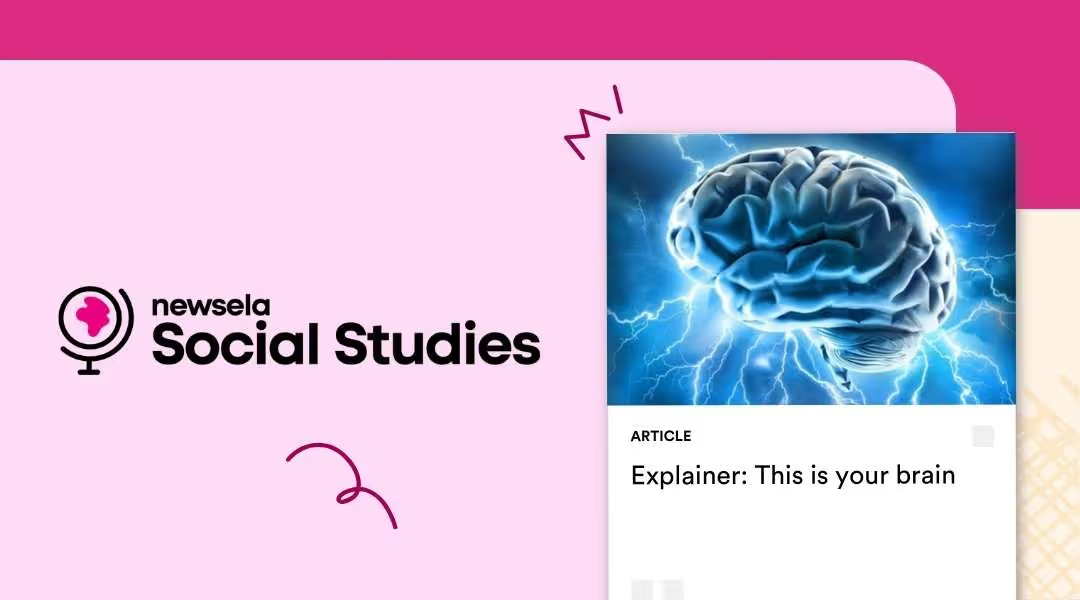
DNA influences how the body develops and functions. Exploring systems that affect human behavior and biological responses helps students understand how genetic instructions shape the body and support everyday functions.
To build that understanding, dig into articles on topics like:
DNA Day is a great opportunity to help students explore genetics, scientific discovery, and the real-world impact of DNA research. Whether you’re teaching science, ELA, or social studies, these topics can spark curiosity and meaningful classroom discussion.
With Newsela’s high-quality instruction products, you can explore DNA Day topics through engaging articles, text sets, and multimedia resources that help students build background knowledge and practice key literacy and science skills.
Not a Newsela customer yet? Sign up for an account to start your free 45-day trial and explore premium differentiated content, engaging formative assessments, and real-time data.

Discover what scientific literacy is, why it matters in the K-12 classroom, and what you can do to teach it more effectively for lifelong learning success.
Learn how elementary science forms a foundation for future STEM education and get tips to make your lessons more engaging.

Celebrate National STEM Day with hands-on projects, STEM career resources, videos, simulations, diagrams, and classroom activities for K–12 students.


.jpg)
.jpg)