
Products

 Products Overview
Newsela products are purpose-built to unlock student motivation, inspire teachers, and drive long-lasting learning outcomes.









Resources
About
Products OverviewNewsela products are purpose-built to unlock student motivation, inspire teachers, and drive long-lasting learning outcomes.

International Holocaust Remembrance Day takes place each year on January 27. It’s a time to reflect on the events that happened during World War II and remember those affected by it.
You can bring these discussions into your classroom with a collection of Holocaust Remembrance Day activities for students, including social studies and ELA lessons for grades 3-12.
Jump to:
Key takeaways:
Students benefit from understanding why holidays like Holocaust Remembrance Day honor the past and help us learn from it. To teach about this event, teachers can use Newsela Social Studies resources to explore:

To understand how this period unfolded, students need to see what everyday life looked like before and during the war. You can build background knowledge with:
Students often hear the word “Holocaust” without understanding the timeline. Give them a clear picture by walking through major events from the war, like:

Students can explore how the timing of the U.S. entering WWII shaped its ability to respond. Once they have this historical context, they’ll be able to understand:
Students often wonder what people could or should have done during the Holocaust to help others. They can consider the role of everyday citizens with this inquiry lesson that includes units like:
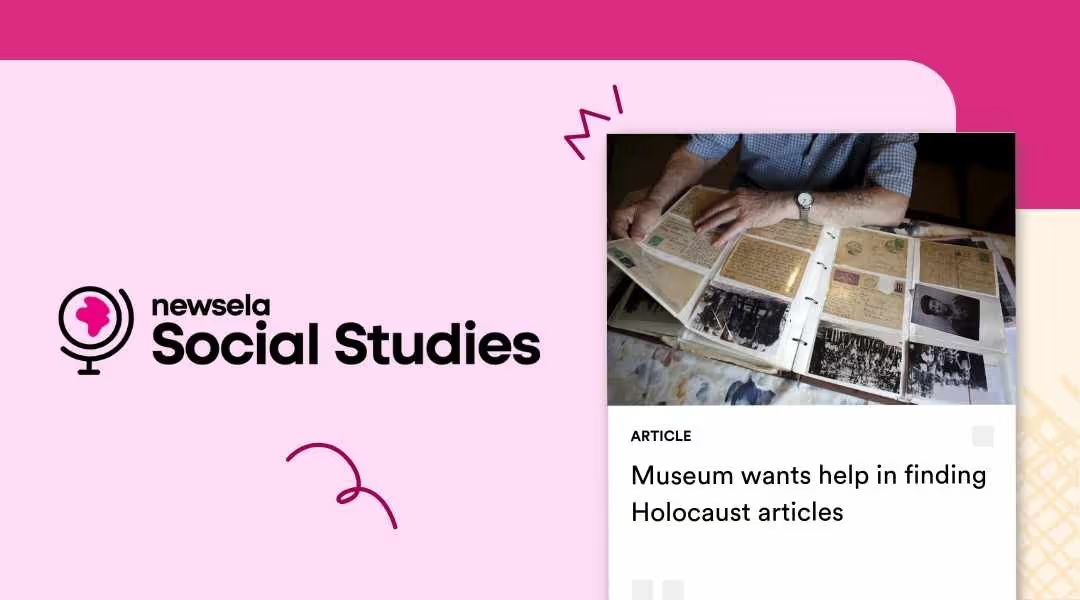
Students may be surprised to learn how strongly this period still shapes our world today. Help them make concrete past-to-present connections by exploring articles on topics like:
Key takeaways:
First-person stories help students understand history in ways traditional textbooks can’t. You can introduce them to:

Give students a clear, age-appropriate look at how these events unfolded by exploring resources on topics like:
Students can explore how media persuasion affected the course and outcomes of World War II with resources like:
Help students see how different countries and groups reacted to the Holocaust and the early years of WWII. Teach this concept using resources like:
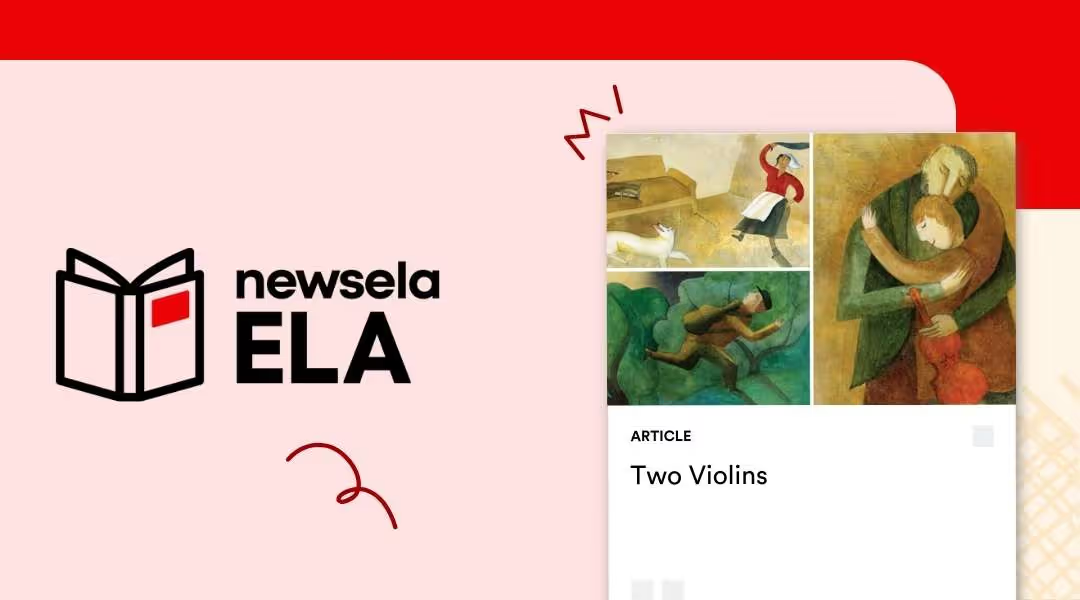
Pairing fiction stories with nonfiction texts helps students compare perspectives and better understand the emotional and historical sides of the Holocaust. Use this lesson to help them think critically:
Newsela Knack: Looking for something longer to read as a whole class novel or suggest for independent reading? Explore Newsela’s Holocaust and World War II novel and book studies.
Teaching about World War II and Holocaust Remembrance Day isn’t limited to January. With Newsela Social Studies and Newsela ELA, you can revisit these topics year-round with leveled texts, activities, and novel and book studies that fit any grade level.
Not a Newsela customer yet? Sign up for Newsela Lite and start your 45-day trial to access our full library of differentiated content.


Discover Jewish American Heritage Month books for your classroom, plus Newsela resources to build background knowledge and student understanding.

Discover nine books and novels students can read to learn more about the World War II era for Holocaust Remembrance Day

Discover how to celebrate Jewish American Heritage Month with ready-to-use ELA, social studies, and STEM lessons for your classroom.



.jpg)
.jpg)