
Products

 Products Overview
Newsela products are purpose-built to unlock student motivation, inspire teachers, and drive long-lasting learning outcomes.









Resources
About
Products OverviewNewsela products are purpose-built to unlock student motivation, inspire teachers, and drive long-lasting learning outcomes.

Earth Day is April 22, but teaching students to care for the planet doesn’t have to happen just on that day. With the right Earth Day lesson plans, you can connect environmental topics to science, reading, writing, and civic thinking across your classroom.
Keep reading to find ready-to-use Earth Day lesson plans for STEM, ELA, and social studies. These activities help students explore conservation, sustainability, and environmental responsibility while building real academic skills.
Jump to:
Key takeaways:
Teaching Earth Day in a STEM classroom gives students a chance to study the planet through real science. Students can explore ecosystems, environmental change, and sustainability while building observation and analysis skills.
These Earth Day lesson plans help you bring those ideas into your classroom with videos, articles, data exploration, and hands-on activities that show students how science connects to protecting the planet.
Earth Day is a dedicated time to raise awareness about environmental problems and encourage people to protect the planet. To help students understand why Earth Day still matters, even after over 50 years, use resources on topics like:
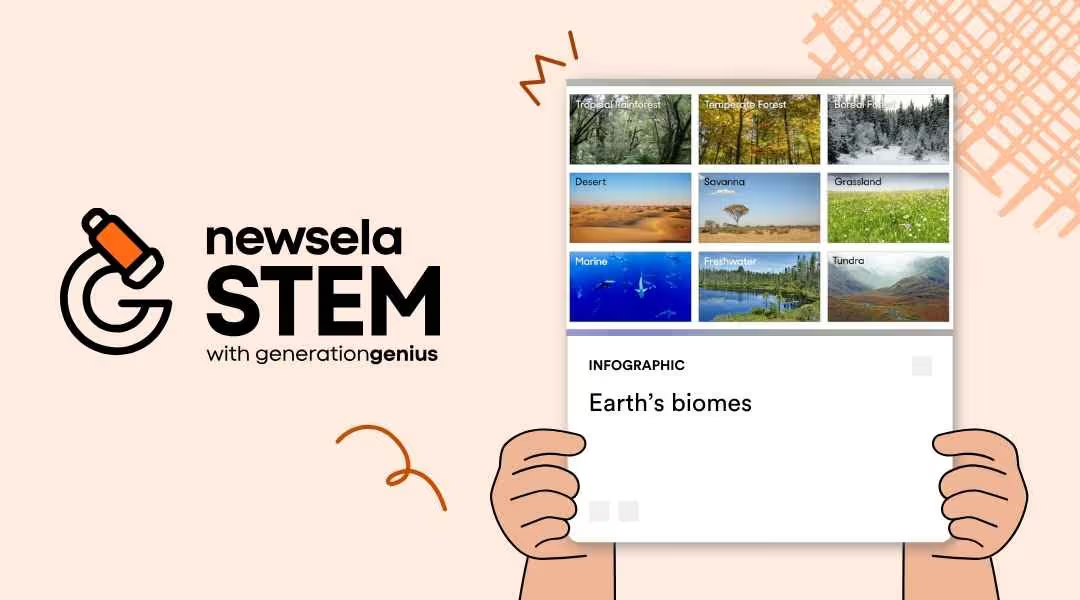
Start Earth Day lesson plans by helping students understand how the planet works. When students learn about oceans, biomes, and Earth’s major systems, they have the background knowledge they need to understand environmental change, conservation, and sustainability.
To build background knowledge, use resources like:
Students can explore changes to our planet by examining real scientific research about pollution, environmental shifts, and human impact. These investigations help students see how scientists track changes in ecosystems and understand how those changes affect the Earth.
To build background knowledge, use resources on topics like how:

Today’s environmentalism focuses on practical solutions. Scientists, designers, and communities are working on new ways to reduce waste, protect ecosystems, and build more sustainable systems.
Explore some of their big ideas with resources on topics like:
Energy powers almost everything we do, but different energy sources affect the planet in different ways. Exploring how energy is produced helps students understand trade-offs between fossil fuels, renewable energy, and emerging technologies.
Teach students more about our planet’s energy sources with resources on topics like:
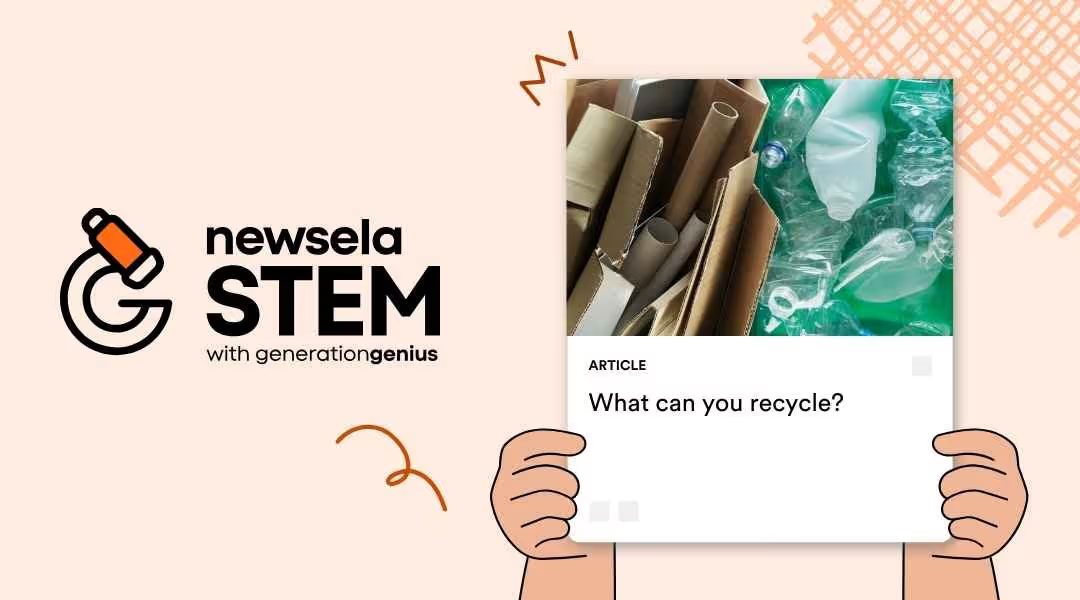
Students can help the planet by making small, everyday choices that reduce waste and protect natural resources. Earth Day lesson plans can show students that actions like recycling, food choices, and community efforts can support healthier ecosystems.
You can cover topics like:
Some students already recycle, but others might not understand why they should care. This kind of Earth Day lesson plan gives students a chance to think about motivation, responsibility, and what makes environmental habits stick. Use these resources to help fuel your discussion:

Scientists, educators, and young advocates around the world are studying ecosystems, protecting wildlife, and helping communities respond to environmental change. To learn more about their work, students can dig into resources on topics like:
STEM teachers know good conclusions start with good data. When students examine real environmental data, they can see patterns, track changes, and better understand the current conditions of our planet. You can share resources that:
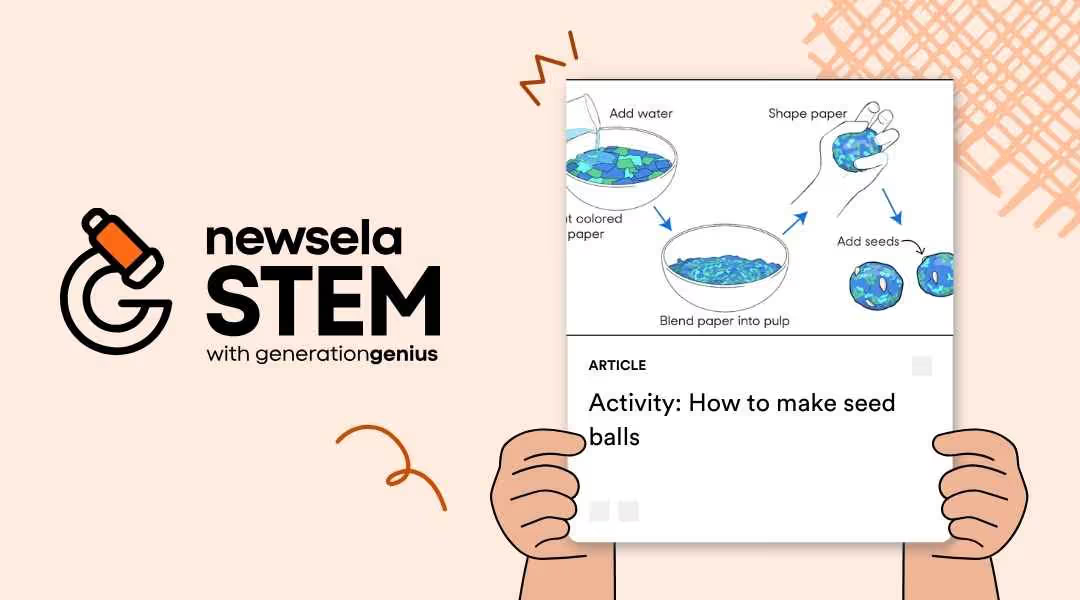
Students can dig into their Earth Day learning with simple projects that support local ecosystems. Hands-on activities help students connect science concepts to real environmental impact. Follow this lesson outline to explore how to make Earth Day seed balls with your class:
Videos can help students visualize complex Earth science concepts. Using Newsela STEM with Generation Genius science videos lets you reinforce science standards while making topics like ecosystems, weather, and natural resources easier to understand.
Each video lesson also includes a 5E lesson plan, key vocabulary, and discussion questions, which help reduce prep time when planning Earth Day lessons. Try videos like these to reinforce conservation, sustainability, and Earth science skills:
K-2 Science
3-5 Science
6-8 Science
Key takeaways:
Earth Day isn’t just for science class. It’s also a great opportunity to bring environmental topics into reading, writing, and discussion. With the right texts and prompts, students can debate real issues, analyze how advocates communicate their ideas, and explore how writers and poets describe the natural world.
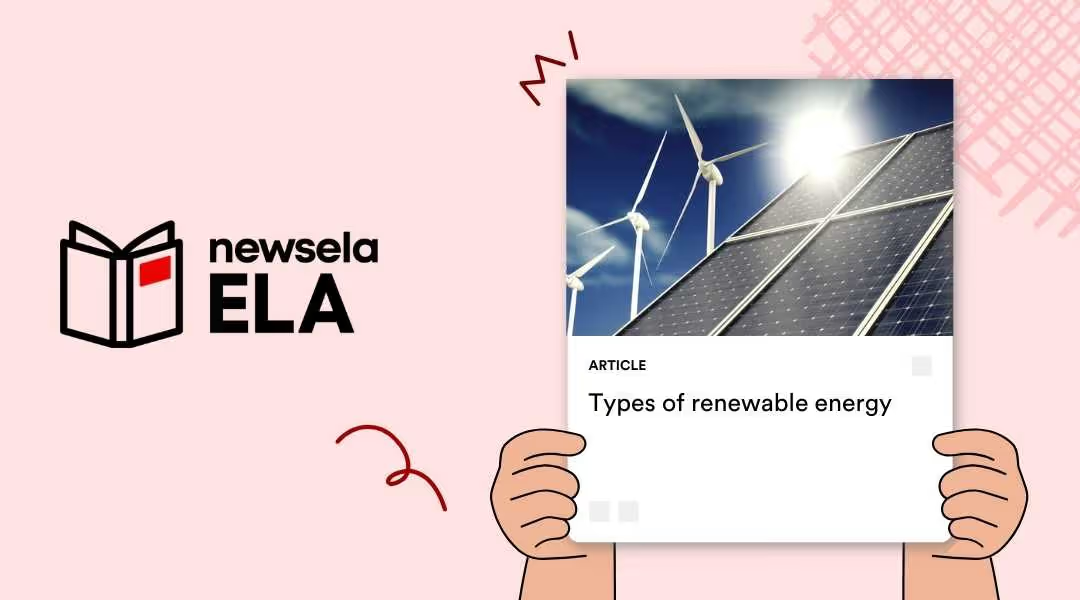
Earth Day debates help students practice argument writing and speaking skills while exploring real environmental issues. Asking students to take a position encourages them to evaluate evidence, consider multiple perspectives, and explain their thinking. Try debate prompts like:
Students can debate these topics in class or develop their ideas into argumentative essays using Newsela Writing.
Students can explore how communication helps people stand up for issues they care about. Looking at real examples of environmental advocates helps students see how speaking up, sharing ideas, and using different platforms can influence public conversations.
To build background knowledge, use the following lesson:

Poetry helps students reflect on nature, environmental change, and their relationship with the planet. Reading environmental poems gives students a chance to see how writers use imagery and emotion to describe the natural world. See how poets talk about the world around us with selections like:
April is also National Poetry Month, so you can extend this activity by inviting students to write their own poems about the Earth or its changing climate using these selections and inspiration.
Key takeaways:
Earth Day helps students understand how people and communities work together to protect the planet. In social studies, it’s a chance to connect environmental issues with civic responsibility and community action.
Use this elementary history lesson with resources perfect for grades K-5 to guide instruction:
Earth Day comes once a year, but teaching students about our planet, the environment, and conservation happens every day. With Newsela's high-quality instruction products, you can continue exploring environmental topics, conservation, and sustainability throughout the school year.
Not a Newsela customer yet? Sign up for an account to start your free 45-day trial and explore premium differentiated content, engaging formative assessments, and real-time data.


Need World Water Day activities for school? These K–12 ideas help students explore water science, global issues, and conservation across subjects.

Find World Forest Day activities you can use in science, ELA, and social studies to build background knowledge about forests and trees.

Explore World Wildlife Day lessons for K–12 biology, animal science, and ELA using engaging Newsela STEM articles, videos, and activities.


.jpg)
.jpg)