Newsela launched in 2013 with a bold mission: Meaningful classroom learning for every student, every day. Today, our team constantly strives to deliver powerful solutions that inspire our users.
The hustle and bustle of the holiday season can make the weeks before winter break feel like a race to the finish line. Between performances, parties, and in-service days, you’re trying to keep students learning even as visions of sugar plums dance in their heads.
These Christmas activities for school let you use that excitement instead of competing with it. Explore holiday stories and traditions in ELA and social studies, then bring the season into science and math with experiments, videos, and investigations that keep students practicing important skills.
Jump to
[Explore Christmas stories and traditions in ELA](id-ela)
Key Takeaways
●Pair texts by a shared theme. Have students compare how a fictional story and an informational article explore gift-giving, compassion, or another holiday tradition.
●Adjust annotations to the genre. Ask students to highlight plot, setting, and character details in fiction and details that support the main idea in nonfiction.
●Compare traditions without treating them as interchangeable. Students can use evidence to identify similarities and differences between Christmas, Hanukkah, Kwanzaa, and other celebrations.
Christmas stories give you plenty to work with in ELA beyond a seasonal reading assignment. Reading about how people celebrate in different places, or how fictional characters respond to gift-giving and generosity, gives students something concrete to compare across texts.
Pairing a Christmas story with an informational article lets students practice different reading skills, like tracking character and plot details in fiction, identifying main ideas in nonfiction, and using evidence from both to explain connections.
What Christmas traditions do people celebrate around the world?
Christmas celebrations can look different depending on where you live, but exploring other holiday customs can help students understand why traditions are important to families and communities.
This text set introduces students to celebrations from different cultures and includes holidays beyond Christmas, making it useful for having students identify similarities and differences, discuss why people keep traditions, and reflect on customs in their own lives.
This Text Set focuses on the importance of customs and traditions. It includes articles that explore how and why people celebrate.
Compare Christmas celebrations: A paired-text activity
Guide students through reading, annotating, and comparing fiction and nonfiction texts about Christmas celebrations in two countries.
Lesson goalCompare Christmas traditions in Zambia and Colombia using text annotations, summaries, and evidence from fiction and nonfiction.
Ask students to identify the topic or general idea of at least one text. Have them share what they already know, what they'd like to learn, and what they predict they'll read.
Read and annotate
Fiction: Highlight details about the plot, setting, and characters in "Thoko's Gift." After reading, use Newsela's annotation tool to write a summary.
Nonfiction: Highlight details that help identify the main idea of each section of the Colombia article. After reading, summarize the text using the annotation tool.
Turn and talk
Have students share their annotations and summaries with a partner. Encourage them to discuss what they learned about Christmas celebrations in each country.
Compare the texts
Have students choose one of these organizers to synthesize their thinking:
Venn diagram — compare and contrast the traditions, ideas, and details in both texts.
What is the main idea of each text? How are the main ideas connected?
How are the ideas from the two texts similar or different? Use details from each to support your thinking.
What is the text structure of each text? How are the text structure and the author's purpose connected?
How do the genre and style of each text affect the author's message?
Compare Christmas celebrations in Zambia and Colombia
Christmas traditions vary around the world, but some customs and celebrations may be more similar than students expect. Comparing Christmas in two different countries gives them the opportunity to learn about other cultures while practicing their reading comprehension and critical thinking skills.
Pair the fictional story “Thoko’s Gift,” which looks at Christmas in Zambia, with a nonfiction article about Christmas traditions in Colombia. Because the texts use different genres to explore the same holiday, students can also practice identifying main ideas, summarizing, and comparing how authors present information.
Compare Christmas celebrations: A paired-text activity
Guide students through reading, annotating, and comparing fiction and nonfiction texts about Christmas celebrations in two countries.
Lesson goalCompare Christmas traditions in Zambia and Colombia using text annotations, summaries, and evidence from fiction and nonfiction.
Ask students to identify the topic or general idea of at least one text. Have them share what they already know, what they'd like to learn, and what they predict they'll read.
Read and annotate
Fiction: Highlight details about the plot, setting, and characters in "Thoko's Gift." After reading, use Newsela's annotation tool to write a summary.
Nonfiction: Highlight details that help identify the main idea of each section of the Colombia article. After reading, summarize the text using the annotation tool.
Turn and talk
Have students share their annotations and summaries with a partner. Encourage them to discuss what they learned about Christmas celebrations in each country.
Compare the texts
Have students choose one of these organizers to synthesize their thinking:
Venn diagram — compare and contrast the traditions, ideas, and details in both texts.
What is the main idea of each text? How are the main ideas connected?
How are the ideas from the two texts similar or different? Use details from each to support your thinking.
What is the text structure of each text? How are the text structure and the author's purpose connected?
How do the genre and style of each text affect the author's message?
What can Christmas stories teach about gift-giving?
Gift-giving isn’t always about how much money someone spends. In O. Henry’s “The Gift of the Magi,” a couple exchanges Christmas presents despite having very little money, making the story a good starting point for discussing generosity, sacrifice, and the meaning behind a gift.
Pair the story with a nonfiction article about giving and receiving holiday gifts. Students can compare the characters’ decisions with the ideas in the informational text, then discuss how the two authors approach the same subject differently.
Discuss gift-giving with paired texts
Use a classic Christmas story and an informational article to explore how gift-giving is presented in fiction and nonfiction.
Lesson goalAnalyze the theme of gift-giving and compare how fiction and nonfiction authors develop ideas about the same subject.
Ask students to identify the topic or general idea of at least one text. Have them share what they already know about the topic and what they'd like to learn or predict they'll read.
Read and annotate
Fiction: Highlight key details about the plot, setting, and characters in "The Gift of the Magi." After reading, use Newsela's annotation tool to summarize the story.
Nonfiction: Highlight details that help identify the main idea of each section of the gift-giving article. After reading, write a summary using the annotation tool.
Turn and talk
Have students share their annotations and summaries with a partner. Ask them to discuss how each text addresses giving and receiving gifts.
Compare the texts
Have students choose one of these organizers to compare the texts and support their conclusions with evidence:
Venn diagram — identify similarities and differences between how the texts address gift-giving.
What is the main idea of each text? How are the main ideas connected?
How are the ideas from the two texts similar or different? Use details from each text to support your thinking.
What is the text structure of each text? How are the text structure and the author's purpose connected?
How do the genre and style of each text affect the author's message?
Explore charity and compassion in Christmas stories
Christmas stories often focus on kindness and helping others, which makes them natural discussion starters about charity and compassion. In “Uncle Martin,” an older man helps refugees in need on Christmas. Pair the fictional story with an informational text about assisting refugees to help students explore how people respond when others need support.
Explore compassion through paired texts
Compare a Christmas story about helping refugees with an informational text on the same topic.
Lesson goalCompare how fiction and informational texts address charity and compassion, using annotations and textual evidence.
Identify the topic or general idea of at least one text. Ask students what they already know about the topic, what they'd like to learn, and what they predict the readings will discuss.
Read and annotate
Fiction: Ask students to highlight important details about the plot, setting, and characters in "Uncle Martin." After reading, have them use Newsela's annotation tool to summarize the story.
Informational text: Ask students to highlight details that help them identify the main idea of each section. After reading, have them use the annotation tool to summarize the article.
Turn and talk
Have students share their annotations and summaries with a partner. Encourage them to discuss how the texts address helping refugees and what they learned from each reading.
Compare the texts
Have students choose one of these organizers to compare the readings and support their ideas with details from both texts:
Venn diagram — identify similarities and differences between how the texts present helping refugees.
What is the main idea of each text? How are the main ideas connected?
How are the ideas in the two texts similar or different? Use details from each to support your thinking.
What is the text structure of each text? How are the text structure and the author's purpose connected?
How do the genre and style of each text affect the author's message?
Compare “The Legend of the Poinsettias” and holiday gift-giving
Giving gifts is a familiar Christmas tradition, but what makes a gift meaningful? In “The Legend of the Poinsettias,” the main character feels embarrassed because she doesn’t have enough money to buy a gift for the church’s Christmas celebration. Her experience gives students an opportunity to explore how characters’ feelings, choices, and actions help develop a story’s message.
Pair the story with a nonfiction article about giving and receiving gifts. Students can compare the ideas in both texts and consider how a fictional story and an informational article approach the same subject. They can also use evidence to explain what the readings suggest about the value and meaning of a gift.
Explore gift-giving through paired texts
Compare a Christmas story and an informational article to discuss the meaning of gift-giving and how authors develop ideas across genres.
Lesson goalCompare how fiction and nonfiction texts explore gift-giving, using annotations, summaries, and textual evidence.
Identify the topic or general idea of at least one text. Ask students what they already know about gift-giving, what they'd like to learn, and what they predict they'll read about.
Read and annotate
Fiction: Have students highlight key details about the plot, setting, and characters in "The Legend of the Poinsettias." After reading, ask them to summarize the story using Newsela's annotation tool.
Informational text: Have students highlight details that help them determine the main idea of each section. After reading, ask them to summarize the article using the annotation tool.
Turn and talk
Have students share their annotations and summaries with a partner. Encourage them to discuss how the texts present gift-giving and what they learned from each reading.
Compare the texts
Have students choose one of these organizers to compare the readings and support their thinking with evidence:
Venn diagram — identify similarities and differences in how the texts present gift-giving.
What is the main idea of each text? How are the main ideas connected?
How are the ideas from the two texts similar or different? Use details from each to support your thinking.
What is the text structure of each text? How are the text structure and the author's purpose connected in each text?
How do the genre and style of each text affect the author's message?
How is Christmas different from other December holidays?
Christmas, Hanukkah, and Kwanzaa are different celebrations with their own history, meanings, and traditions. Comparing them can help students understand why it’s important to recognize the differences rather than assume all winter holidays get celebrated the same way.
This text set asks students to choose two celebrations to investigate. As they read, they can gather evidence about each holiday’s traditions and history, then use their findings to compare and contrast what they’ve learned.
Compare winter holiday traditions
Students choose two holiday readings, compare traditions using evidence, and write about the similarities and differences they discover.
Lesson goalCompare and contrast winter holidays using evidence from informational texts.
Ask students: "Do you celebrate any holidays in the winter?"
Invite students who want to share to discuss a tradition or celebration that's familiar to them.
Read and annotate
Have students choose two texts from the Text Set. As they read, ask them to highlight details that show similarities or differences between their selected holidays.
Choose two holiday readings3 resources
Winter holiday texts with reading levels and Spanish availability
After reading, have students take the Newsela quiz for each of their two selected articles.
Compare and write
Compare: Complete the Venn diagram to show how the two holidays are similar and different.
Write: Use evidence from both texts to write a paragraph explaining whether the holidays are mostly similar or mostly different.
Reflect: Respond to the question: "How does comparing and contrasting holidays help us appreciate the diversity of traditions around the world?"
Extension
Have students write an article about their favorite holiday. Ask them to describe its traditions, special foods, and meaning, then explain how it is similar to or different from another holiday they've read about.
Teach Christmas themes with books and novel studies
You don’t have to choose a book entirely about Christmas to bring the holiday into your ELA lessons. Some novels use Christmas celebrations to reveal important details about the characters, while others use the season to explore generosity, family relationships, or the contrast between people’s expectations and their experiences. The right choice depends on your students’ grade levels and what you want them to examine.
ELA novel studies
Explore seven Christmas-themed novel studies
Each Newsela Novel Study includes a Writing assignment tailored to the book. Expand a title to see its seasonal connection, classroom ideas, sample supporting resources, and teacher-preview considerations.
“A Christmas Carol” by Charles DickensGrades 6–12+−
Newsela ELA novel study
“A Christmas Carol”
By Charles Dickens
Scrooge’s Christmas Eve journey invites students to explore generosity, responsibility, and the possibility of change. It’s a natural choice for discussing how people can support their communities during the holiday season.
1Track Scrooge’s changes. Have students identify the experiences that challenge his attitudes toward Christmas and other people.
2Connect the story to its historical context. Use the supporting resources to examine work, poverty, and Dickens’s world before students complete the study’s Writing assignment.
Set during midwinter and the Christmas season, this fantasy blends family traditions with an ancient struggle between good and evil. It offers opportunities to explore folklore, symbolism, and the relationship between light and darkness.
“The Lion, the Witch, and the Wardrobe” by C.S. LewisGrades 4–7+−
Newsela ELA novel study
“The Lion, the Witch, and the Wardrobe”
By C.S. Lewis
Father Christmas’s arrival marks a turning point in Narnia’s long winter, connecting the season with hope and renewal. Students can examine how his gifts prepare the characters to show courage and help others.
1Examine Father Christmas’s arrival. Have students explain why this moment matters to the story and how the gifts contribute to the characters’ journeys.
2Discuss fantasy elements. Use the supporting resources to explore imaginary worlds and compare Narnia’s winter with another fictional setting.
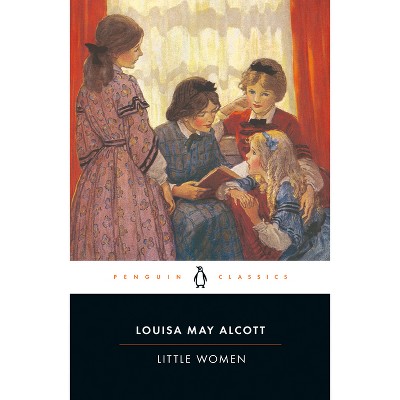
The opening Christmas chapters highlight the March sisters’ decision to help a family in need despite their own limited resources. These chapters work especially well as seasonal excerpts about generosity, family, and the difference between wanting things and caring for others.
The Christmas setting provides a revealing backdrop for a family struggling with money, expectations, and appearances. For older students, the play opens discussion about the pressure to create a perfect holiday home and the tensions that appearances can conceal.
“Sir Gawain and the Green Knight” by AnonymousGrades 10–12+−
Newsela ELA novel study
“Sir Gawain and the Green Knight”
By Anonymous
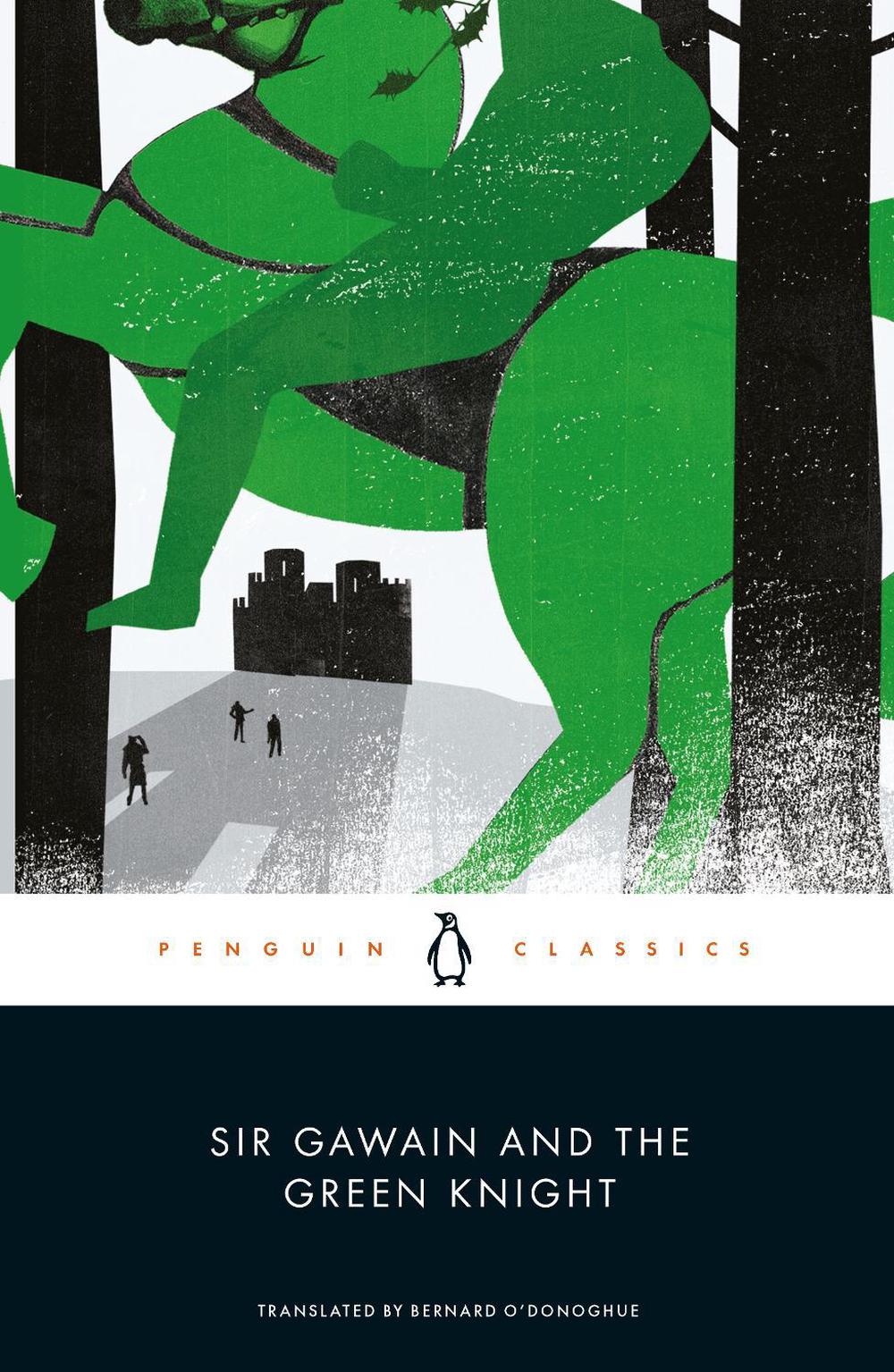
Christmas and New Year’s celebrations frame this medieval adventure about courage, honesty, and keeping promises. Seasonal excerpts let students examine traditions of feasting, hospitality, and gift exchange while considering what it means to act honorably.
“The Catcher in the Rye” by J.D. SalingerGrades 11–12+−
Newsela ELA novel study
“The Catcher in the Rye”
By J.D. Salinger
Set just before Christmas, the novel contrasts public holiday cheer with Holden’s loneliness and grief. It can support thoughtful discussion about belonging and why the holiday season brings different emotions for different people.
1Discuss the seasonal contrast. Ask students how the Christmas setting affects their understanding of Holden’s experiences and feelings.
2Examine alienation. Use the supporting resources to discuss loneliness and belonging, then have students support their interpretation with evidence from the novel.
[Build background knowledge about Christmas in social studies](id-ss)
Key Takeaways
●Look at origins and current customs separately. Ask students where a Christmas tradition came from before discussing how and why people observe it today.
●Use evidence to explain why holidays matter. Have students consider both the economic and community impacts of holiday celebrations before making a claim about their importance.
●Distinguish religious and cultural traditions. Explain Christmas's significance in Christianity while recognizing that some people celebrate it as a cultural holiday.
Christmas celebrations have happened for many years, but the traditions students recognize today developed in different places and for different reasons. Social studies lessons give you a chance to investigate those origins while helping students understand the holiday’s religious significance and how cultural customs change over time.
The topic also stretches beyond history. Students can explore how holiday celebrations affect businesses, families, and communities. Then they can use what they’ve learned to consider a broader question: Why are holidays important?
Where do Christmas traditions come from?
Traditions like decorating Christmas trees, exchanging gifts, hanging lights, and preparing special foods have histories outside the holiday's Christian religious background. Exploring where those customs came from can help students understand how Christmas celebrations have changed over time.
This lesson gives students the chance to investigate these histories by examining the religious and cultural meanings of different traditions, then using evidence from their readings to explain the origins and significance of a Christmas custom.
Celebrating Christmas: Explore its history and traditions
Use this Formative Challenge to explore how Christmas traditions developed and what different symbols and customs mean.
Lesson goalInvestigate the origins of Christmas traditions and explain the history, religious or cultural meaning, and significance of a selected holiday symbol or custom.
A History of Christmas and one additional reading selected from the resources below
Materials for creating a poster or infographic
Think-Pair-Share
Ask students what Christmas celebrates, which customs and traditions are associated with the holiday, and what questions they have. Have them discuss their thoughts with a partner before sharing with the class.
Watch and discuss
Watch the Christmas Day video to learn about the holiday's origins and traditions. Have students complete the accompanying quiz questions, then discuss symbols and customs they learned about. Invite students to share their own holiday traditions if they'd like.
Read and annotate
Read A History of Christmas and one additional article of your choice. Ask students to use one highlight color for details about the history of Christmas and a second color for information about traditions and customs.
Christmas history and traditions readings8 resources
Christmas history and traditions articles with reading levels and Spanish availability
Have students select a Christmas tradition or symbol, such as a Nativity scene, Christmas tree, Santa Claus, or gifts. Create a poster or infographic with an image and description that explains:
The history or origin of the tradition or symbol
Its religious or cultural meaning
Its significance to Christmas celebrations
Exit ticket
Many schools and places of business are closed for Christmas. Have students write a paragraph sharing their plans for winter break.
Optional extension
Have students choose a country and research how Christmas is celebrated there. Ask them to write a paragraph summarizing the traditions and customs they discover.
Why are the holidays important to families, communities, and economies?
Holidays can bring people together through shared traditions and celebrations, but they also shape how families spend their time and money, how businesses operate, and how communities support one another. Examining both the social and economic impacts of holidays helps students see that their importance extends beyond the celebrations themselves.
This mini inquiry challenges students to consider the broader question “Why are holidays important?” They’ll examine photographs, investigate the economic impact of winter holidays, and read about family and community connections to develop an evidence-based argument.
Newsela Social Studies · Mini inquiry
Why are holidays important?
Explore five activities that investigate how holidays affect
families, communities, and the economy.
Discuss: How do winter holidays affect
businesses, individual finances, and communities? Ask students
to support their responses with examples from their readings.
Compare: Form small groups with both
articles represented. Have students share evidence and complete
a Venn diagram
comparing the texts. Discuss: What is the relationship between
winter holidays and community?
Review: Return to the compelling question,
"Why are holidays important?" Ask students to review their
notes and evidence from the previous activities.
Write: Have students develop a claim that
answers the question, using evidence from multiple sources.
They may focus on economic effects, community connections,
shared values, or another evidence-supported position.
Christmas is one of the most important holidays in Christianity. You can use this as a starting point to study the religion’s history, beliefs, and traditions. Students can explore how Christmas connects to the birth of Jesus, then examine how Christianity developed and why different branches of the religion have distinct practices.
Newsela Social Studies · Unit resources
Comparative Religions: Christianity
Explore seven resources covering Christianity's development,
important figures, different branches, and holidays.
[Try Christmas activities in science and math](id-sci)
Key Takeaways
●Plan for adult supervision.
Crystal ornaments require boiling water and borax, while the drinking candle experiment uses an open flame. Consider teacher-led demonstrations when appropriate.
●Connect decorations to physical science.
Use holiday lights and ornaments to explore circuits, energy transfer, reflection, and the properties of different materials.
●Give math practice a seasonal purpose.
Have students investigate symmetry in snowflakes, measure decorations, or calculate the area of wrapping paper needed for a gift.
Holiday decorations and winter weather give students plenty to investigate in science and math. They can observe crystal formation while making ornaments, explore air pressure with a candle experiment, or investigate the electricity that powers Christmas lights.
You don’t have to plan a full experiment for every lesson, either. Videos, simulations, and science diagrams give students other ways to explore these concepts when time or materials are limited.
Grow crystal Christmas ornaments
Making crystal Christmas ornaments gives students a way to explore mixtures while creating a holiday decoration they can take home. They’ll use pipe cleaners to make an ornament shape, then observe how borax crystals form on it as a mixture of hot water and borax cools.
The experiment also gives you the chance to discuss why water temperature affects how much of a substance can dissolve. Because the activity involves boiling water and borax, adult supervision is required.
Newsela STEM · Holiday experiment
Grow a crystal ornament
Combine a holiday craft with an investigation of mixtures and crystal growth.
How does cooling a mixture of water and borax cause crystals to form?
Materials
Pipe cleanersString or ribbonPencilMason jar2 cups of boiling water6 tablespoons of boraxSpoonPaper towel
Optional
Cookie cutter to help shape the pipe cleaners
1
Shape the ornament
Have students bend pipe cleaners into a holiday shape.
They can use a cookie cutter as a guide if needed.
2
Prepare the mixture
With adult supervision, follow the
crystal ornament instructions
to prepare the hot water and borax mixture.
An adult should handle the boiling water.
3
Watch the crystals grow
Follow the activity directions to suspend the ornament in
the mixture. Let it sit as the water cools and borax crystals
begin building up on the pipe cleaner.
4
Explain what happened
Ask students to describe the crystals they observe.
Discuss why more borax can dissolve in hot water and
what happens as the mixture cools.
Explore mixtures and crystal formation3 resources
Newsela crystal ornament activity, science explainer,
and infographic with verified reading levels and Spanish availability
Can a candle really drink water? Not exactly, but this holiday experiment lets students observe how changes in air temperature and pressure can make water rise inside a glass.
Using a candle, a shallow dish of colored water, and a drinking glass, students can see what happens when the flame heats the air inside the glass and then goes out. As the air cools, the pressure inside the glass drops, causing the water to rise. This activity works well as a teacher-led demonstration because it requires an open flame and adult supervision.
Newsela STEM · Holiday experiment
Can a candle drink water?
Investigate how heating and cooling air changes the pressure
inside a glass and affects the water around it.
Why does water rise inside a glass after a candle flame goes out?
Materials
Pie plate or shallow baking dishSlender or narrow drinking glassCandle that fits under the glass1 cup of waterBlue food coloringMatch or lighter (adult use only)
Safety reminder
This experiment uses an open flame. An adult should light
and handle the candle and supervise the demonstration.
Ask students what they think will happen when the
glass is placed over the lit candle. Will the
water level stay the same, rise, or fall?
3
Observe the reaction
Have an adult light the candle and carefully place the
glass over it. Ask students to watch for escaping air
bubbles, the flame going out, and changes in the
water level.
4
Explain what happened
Discuss how the air expands as it heats and contracts
as it cools. Ask students how the resulting
pressure difference causes water to move into
the glass.
Explore fire and air pressure
3 resources
Newsela drinking candle activity and related science
resources, reading levels, and Spanish availability
Dreaming of a white Christmas? You don’t need snow in the forecast to create your own miniature snowstorm. Using baby oil, white paint, and pieces of an antacid tablet, students can investigate two scientific concepts: Density and chemical reactions.
The oil and water form separate layers because they have different densities. When the antacid tablet reacts in the water, bubbles form and carry some of the white paint upward, creating the appearance of falling and swirling snow. After the experiment, you can connect students’ observations to the science of real snowflakes and weather conditions that produce snowstorms.
Newsela STEM · Holiday experiment
Snowstorm in a jar
Create a miniature snowstorm while investigating density
and chemical reactions.
Why do the liquids separate, and what causes the
snowstorm effect when an antacid tablet is added?
Materials
Baby oilWhite washable paintAlka-Seltzer tablets, broken into piecesJar, bottle, or vase that holds several cups of liquidWater
1
Predict what will happen
Ask students whether they think the oil and water
will mix or form separate layers. Have them predict
what might happen when the antacid tablet is added.
2
Prepare the snowstorm
Follow the
snowstorm activity instructions
to combine the liquids and paint in the jar.
Have students observe where each substance settles.
3
Watch the reaction
Add the antacid tablet pieces as directed in the activity.
Ask students to observe the bubbles, the movement
of the white paint, and what happens when bubbles
reach the surface.
4
Explain the science
Discuss why the oil floats above the water and how
the acid-base reaction produces bubbles.
Have students explain how these two processes
contribute to the appearance of a snowstorm.
Continue the investigation
Use these Newsela resources to explore the science of snow
and why some winter weather conditions produce snowstorms.
Snowstorm experiment and snow science4 resources
Snowstorm activity and snow science resources
with reading levels and Spanish availability
Christmas lights use electrical energy to illuminate their bulbs, which makes them a timely example of how electricity powers everyday objects. But where does that electricity come from, and how does it reach the lights we plug in?
This lesson introduces the concepts, and you can use Christmas lights to start the discussion. Students will explore how electricity is generated, how electrical forces work, and some surprising ways scientists are finding new sources of power.
Newsela STEM · Electricity
Explore electricity and how it's generated
Start with the basics of electricity, then explore how it's generated
and the different ways scientists are producing electrical power.
Electricity fundamentals4 resources
Electricity fundamentals resources, reading levels or video runtime,
and confirmed Spanish availability
How do batteries power holiday decorations and gifts?
From light-up decorations to electronic toys, batteries power plenty of things around the holiday season. But they’re not just a convenient source of energy. The materials used to make them also raise questions about natural resources, safety, and how technology can improve.
This lesson explores those questions with multimedia content and a creative project. Students investigate how lithium-ion batteries work, learn how scientists have used AI to identify alternative battery materials, and create commercials explaining how those discoveries could improve battery technology.
Batteries: How can AI improve battery technology?
Compelling question:
How can AI help to improve the technology behind lithium-ion batteries?
Lesson goal
Investigate how batteries work and use evidence to explain how
AI could help scientists improve battery materials.
Supporting reading resources listed in the accordion below
Watch and notice
Play the “How batteries work” video (4:19).
Have students use the Notice, Wonder, Connect worksheet
to record what they notice, questions they have, and
connections to what they already know about lithium-ion batteries.
Read and annotate
Read “With help from AI, scientists discover a new material
to build a low-lithium battery.” Have students highlight
how scientists used AI to identify alternative materials
in one color. In another color, highlight how scientists
think those materials could improve battery technology.
Battery lesson resources3 resources
Battery issue overview, video, and AI battery research article,
with reading levels or runtime
Have students use the Commercial Planning worksheet to
advertise a new kind of battery using the alternative
materials described in the article. Their commercials
should explain how AI helped scientists find the materials
and how the proposed battery could improve on existing
lithium-ion technology.
Extension
Read “Issue Overview: Batteries” to learn
more about challenges surrounding battery technology.
Ask students to make a claim about AI's potential role in
addressing battery and energy-use issues, then support
their reasoning with evidence from both articles.
Take a virtual field trip to a Finnish forest
Christmas trees are a seasonal connection to forest ecosystems, even if you don’t live somewhere with greenery or snowy winters. Take students on a virtual field trip to Finland, where they can explore the plants and animals that live in the forest, the habitats they depend on, and how people use and care for forest resources.
Virtual field trip: Finnish forest
Students explore Finnish forest ecosystems, record their
observations, and connect the experience to Christmas trees
and forest conservation.
Lesson goal
Identify plants, animals, and habitats in a Finnish forest,
and explain how people use and care for forest environments.
Have students locate Finland on the topographical map
of Europe. Ask them what they already know about its
forests and what plants or animals they expect to find.
Keep a journal
Have students record observations as if they're
explorers visiting the forest. They can sketch or
describe the plants, animals, sounds, land features,
and other discoveries they encounter.
Choose a forest path
Students can explore one path or complete all four.
Each begins with an introduction to what they'll
learn during that part of the virtual tour.
Ask students what they learned about the forest's
wildlife, habitats, and the people who care for it.
Connect the experience to Christmas by discussing
which trees found in Finnish forests might also
be used as Christmas trees.
Optional extension:
Introduce the idea of “forest bathing” and have
students consider why people spend time in forests
for recreation and well-being.
How do supply chains affect holiday shopping?
Before a Christmas gift reaches a store shelf or someone’s doorstep, it passes through a network of suppliers, manufacturers, warehouses, and transportation services. If one part of that network breaks down, the effects can spread to other businesses and shoppers.
Holiday shopping gives students a way to investigate how supply chains work and why disruptions matter. These articles about holiday shortages and truck driver apprenticeships introduce two sides of the issue: What happens when goods can’t move as expected, and how changes to the transportation workforce might address those challenges.
Logistics and supply chain
Have students investigate how products reach consumers,
what can interrupt that process, and how communities
might respond to supply chain challenges.
Lesson goal
Explain how supply chains work, identify potential
disruptions, and use evidence from two articles
to communicate possible solutions.
Have students read both articles and identify
how supply chains move raw materials to
manufacturers and finished products to consumers.
Discuss what happens when one part of that process
is interrupted.
Students should then complete at least one
of the three activities below.
Option 1: Presentation
Create a presentation that teaches middle school
students how supply chains work. The presentation
should answer these questions:
What happens to products after they're manufactured?
How do manufacturing facilities obtain the
supplies and raw materials they need?
What can disrupt a supply chain, and how
might those disruptions affect people?
Option 2: Analysis and letter
Use the
Paired Text Analysis worksheet
to examine what happens when a supply chain is
interrupted and how disruptions might be prevented.
Then use the
Letter Template
to write to the federal government about whether the
truck driver apprenticeship program described in the
article should continue. Students should consider
the risks of employing younger drivers and weigh
those concerns against the program's potential
supply chain benefits.
The skills, training, and workers needed
to keep goods moving
How supply chain disruptions affect society
Ways to prevent or reduce disruptions
Students can present their PSA as a TV or radio
commercial, poster, brochure, or social media post.
Remind them to support their claims with evidence
from the articles.
Wrap-up
Ask students to explain why reliable transportation
and access to raw materials are both important to a
functioning supply chain. Then connect their
responses to holiday shopping: What could happen
if a manufacturer can't get supplies or a store
can't receive its shipments before Christmas?
Connect Christmas to science with Generation Genius videos
These Generation Genius science videos offer connections to Christmas across grade bands. Choose videos that match the concepts you’re already teaching, then use holiday examples to help students recognize those ideas outside the classroom. For example, a string of lights can introduce electrical circuits, or shiny ornaments could demonstrate reflection.
Design a decoration, light display, gift packaging
solution, or holiday structure under constraints.
Scroll left to right to see the full table.
Practice Christmas-themed math with Generation Genius videos
Christmas decorations, gift wrapping, and holiday displays offer chances to practice math skills students are already learning. Younger students can identify shapes in ornaments and presents, while older students can explore symmetry in snowflakes or calculate the area needed for wrapping paper.
These Generation Genius math videos connect classroom concepts to seasonal examples from grades K–8. Choose the videos that align with what you’re already teaching, then have students apply what they’ve learned to a holiday-themed problem or activity.
Create scaled plans for a holiday display,
tree, decoration, or light layout.
Scroll left to right to see the full table.
Explore Christmas science with PhET simulations
Christmas lights, colorful decorations, and shiny ornaments are real-world examples of electricity, light, and energy. Students can use interactive simulations to investigate how circuits work, how light behaves, and what happens when electrical charges build up.
These PhET simulations give students opportunities to test ideas virtually before applying them to familiar holiday objects. For example, they can compare battery-powered and plug-in Christmas lights, experiment with colored light, or explore static electricity.
Newsela STEM · PhET simulations
Christmas science with PhET simulations
Choose an interactive investigation that connects electricity,
light, energy, or static charge to familiar Christmas decorations.
Explore the PhET simulation collection.
Circuits and electricity4 simulations
PhET circuit simulations and their Christmas connections
Investigate how static charge builds up and
discharges. The simulation's name also offers
a playful connection to John Travolta's
Santa-themed holiday commercials.
Scroll left to right to see the full table.
Use science diagrams to explain holiday decorations
Christmas lights, ornaments, and evergreen trees give students examples of concepts they study in science class. A diagram of a battery circuit can help them understand how battery-powered lights work, while diagrams about energy transformations and visible light explain what happens when decorations illuminate a room.
You can also use diagrams to compare natural and artificial decorations or explore what living plants need to survive. For example, students can connect plant diagrams to evergreen trees and use a flowering-plant diagram to investigate poinsettias, which are another familiar Christmas decoration.
Newsela STEM · Science diagrams
Christmas connections with science diagrams
Use these diagrams to explore electricity, energy, light,
materials, and plants through familiar Christmas examples.
Explore the science diagram collection.
Electricity and energy3 diagrams
Electricity and energy diagrams, grade bands,
Christmas connections, and Spanish availability
Investigate the structures of flowering plants
using poinsettias as a Christmas-season connection,
rather than evergreen conifers.
✓ Yes
Scroll left to right to see the full table.
Keep students learning beyond Christmas with Newsela Learning Suite
The best Christmas activities do more than celebrate the season. They give students opportunities to explore literature, understand history, investigate science, and practice math skills through topics they recognize and enjoy. Whether you’re comparing holiday traditions, building a circuit, or exploring a winter forest, these lessons can help students connect what they’re learning to the world around them.
Keep those connections going all year with Newsela Learning Suite for holidays, seasonal events, and everyday classroom instruction. You’ll find differentiated resources and activities to support engaging lessons long after the Christmas decorations come down.
Everything you need to accelerate learning across ELA, social studies, and science
Attendance, MTSS, and Beyond: How District Leaders Use Data to Improve Student Outcomes
Join district leaders from four school systems to discover practical ways to turn student data into early interventions, stronger MTSS frameworks, and reduced chronic absenteeism
Join the 1-hour panel live on December 10: 12:00pm ET/9:00am PT
Join district leaders from four school systems to discover practical ways to turn student data into early interventions, stronger MTSS frameworks, and reduced chronic absenteeism
Join the 1-hour panel live on December 10: 12:00pm ET/9:00am PT
Christmas Activities for School: ELA, History, and STEMUse these Christmas activities for school to keep students reading, comparing holiday traditions, and investigating science before winter break.Nov 23, 2026Nov 18, 2026https://cdn.prod.website-files.com/66f182e7ce15762d01b32e09/6745d4f40fd0c2699501bf9e_Christmas%20Blog%20Hero%20Image.avifhttps://cdn.prod.website-files.com/66f182e7ce15762d01b32e09/6745d531347142a97f610199_Christmas%20Blog%20Hero%20Image%20(1).avifChristy Walters



 Products Overview