Newsela launched in 2013 with a bold mission: Meaningful classroom learning for every student. Today, our team constantly strives to deliver powerful solutions that inspire our users.
What Is AAPI Month? Teach It in Social Studies Class
Christy Walters
April 1, 2026
What is AAPI Month? Your student might ask, but you don’t need to build an elaborate unit to answer it. Fold AAPI social studies content into lessons you’re already planning to teach.
With Newsela Social Studies, you can explore AAPI cultures, histories, and voices in ways that build background knowledge and keep students engaged all month, and beyond.
[Explore AAPI cultures and communities](id-culture)
Key takeaways:
Use cultural examples students recognize to make APPI Month feel relevant.
Build background knowledge of AAPI identities so students understand who’s included and why it matters.
Connect culture to content through food, music, and traditions that students may already engage with.
Use maps and geography to ground conversations in place.
AAPI cultures show up in your students’ everyday lives, whether they know it or not. From food to music or wellness, they may recognize a cultural hallmark without even realizing the connection. Start with topics they’re already familiar with and build toward deeper understanding.
As you teach, keep the focus on identity and diversity within the AAPI community. Being Asian American isn’t a one-size-fits-all experience. Helping students see that early makes other lessons even stronger.
How can you introduce AAPI cultures in ways students recognize?
Start by discussing AAPI cultural touchstones that students already know. When they have some background knowledge, they may be more open to learning about a topic. To build understanding on engaging aspects of AAPI culture, share articles on topics like:
The origins of yoga from India, and how its purpose shifted over time.
The rise of K-pop music and how it’s influencing students to learn Korean language, history, and culture.
What does “Asian American” mean, and why is the term complex?
“Asian American” is a broad label. It includes many cultures, languages, and histories. Students may think the label covers one group, but it doesn’t. Some people strongly connect to the term, and others don’t.
You can help students unpack the nuances of what it means to be Asian American with resources like:
Maps of Asia and Oceania to ground discussions of home or native countries on the map.
[Teach AAPI histories and experiences](id-history)
Key takeaways:
Give students historical context about AAPI communities to boost conversations around culture.
Use immigration and legislation examples to show how policy shaped real lives.
Build empathy by centering real experiences in your lessons, not just events and dates.
AAPI history is often underrepresented in core social studies content. This is your chance to fill that gap without rewriting your lesson plans. You can plug these topics into units you already teach, like those on immigration, civil rights, or World War II.
As you plan, focus on experiences, not just timelines. Students need to see how policies and events impacted real people to make the learning stick.
How can you teach AAPI histories and experiences in meaningful ways?
AAPI communities have shaped U.S. history in lasting ways. This is where you can help students move beyond surface-level awareness of culture and actually understand what real people experienced.
Focus on where communities settled, how policies shaped their lives, and what those experiences looked like in real moments. To build that understanding, use resources on topics like:
Show students how AAPI advocacy connects to real historical moments.
Use recent events and familiar contexts to make advocacy feel relevant.
Help students see how different groups support each other across movements.
AAPI advocacy stems from challenge and progress. When covering these topics, students can see how people responded to real-world events and worked for change. It also helps them connect past events to what they see happening today.
As you teach, keep the focus on action. Students should leave these lessons thinking about how people speak up, support each other, and create change.
How have AAPI communities advocated for change throughout history and today?
AAPI advocacy spans multiple moments in history and looks different depending on the context. Connecting the past to present also helps make the learning stick. To build a better understanding of AAPI advocacy, use articles on topics like:
How the graphic novel “We Hereby Refuse: Japanese American Acts of Resistance During World War II” explores the types of AAPI advocacy that existed during that era.
Highlight AAPI leaders across fields to expand how students see influence and success.
Use current and recognizable figures to boost student engagement.
Connect leadership to broken barriers, not just one-off achievements.
Studying AAPI leaders helps students see what representation looks like in the past and today. You can move discussions from history into impact when you talk about who made change and how they did it.
As you teach, focus on both the achievement and the barrier. That’s what helps students see how a single event can change the course of history.
Who are AAPI leaders and trailblazers students should know?
AAPI leaders exist across politics, sports, pop culture, and many other fields. Touch on a variety of disciplines to show how individuals broke barriers and made an impact in visible and invisible ways. To build a better understanding, use articles on topics like:
Show students that young people can lead change, not just adults.
Use peer examples to make advocacy and leadership feel accessible.
Connect learning to student voice and real-world action.
Build opportunities for students to apply ideas through discussion and projects.
Students connect more quickly with experiences of people their own age. These lessons help you tap into that engagement. When they see young AAPI leaders taking action, it makes youth leadership and advocacy feel more possible.
As you teach, lean into discussion and creation. This is a strong place to add activities for reflection, response, and ownership of learning.
How are AAPI students leading change in their communities?
AAPI students are already doing meaningful work in their communities. When your students see what leadership looks like at their own age, they may be excited to do advocacy work themselves. Use your lessons to focus on what these students are doing, how they’re doing it, and why it matters.
To build that understanding, teach about high school students in a Pacific Islander Club who used their passion for poetry to fight climate change. Pair students together to discuss how the club is making a difference by having them answer questions like:
What methods did the students use to push for change?
What challenges did they face as they tried to make their voices heard?
How does their work reflect the importance of activism and leadership in the AAPI community?
How do young AAPI leaders show determination and resilience?
Leadership isn’t always about having a big platform. Sometimes it’s about using what you have and pushing through challenges. These examples help students see determination in action and reflect on what that can look like in their own lives.
To dive into this topic, try the following lesson:
First, explore how learning a new language, whether it’s computer code or English, helps refugee students communicate with teachers and classmates.
Finally, create an interview project where students pick a family member or friend who has shown determination or resourcefulness and create a written article or video about what they learned from that person.
How are young AAPI leaders expanding education and representation?
Some students work to change what gets taught in school. This can help your students see that curriculum isn’t fixed, but it can grow and change. It also connects directly to why AAPI Month matters in the classroom.
Use the following lesson to help students consider what topics could be taught in school:
Next, learn about Mina Fedor and AAPI Youth Rising, an organization created to teach AAPI history and address anti-Asian violence.
Finally, have students create a proposal for their teachers, principals, or district leaders about ways they can diversify the school’s curriculum and update or improve the current course offerings.
[Build global context with Asia and Pacific studies](id-global)
Key takeaways:
Build geographic and cultural context to help students understand the groups celebrated during AAPI Month.
Use country and region studies to deepen background knowledge across units.
Connect ancient history, geography, and modern life to show continuity and change.
If you want to celebrate AAPI Month in your classroom but can’t deviate too far from your geography or world history lessons, there’s still a way to make it work. You can expand beyond U.S. context and help students understand the regions, histories, and cultures connected to AAPI identities.
Use these resources to plug into units you already teach to guide the focus closer to an AAPI Month lesson.
How can you help students explore early history and culture across Asia?
A strong way to build context during AAPI Month is to give students examples from across Asia that connect history, culture, and daily life. This helps you widen the conversation and gives students more than one lens for understanding the region.
To build that background knowledge, use articles on topics like:
The invention of silk and how it became part of China’s history and culture.
How can you use geography to help students understand Asia’s diverse cultures?
Geography lessons help students see that Asia isn’t a singular place, but a continent made up of different countries with unique experiences, cultures, and physical features. To build that understanding, you can ask students to:
What can students learn about major cities in East and Southeast Asia?
Major cities help students see how culture, economy, and daily life connect in real places. This gives them a clearer picture of how cities function across East and Southeast Asia, especially in places they may already recognize.
To show them more about places around the world, use articles on topics like:
What can students learn from a country study of China?
Doing a country study gives students a more focused way to explore AAPI cultures. In this case, students can look at China through culture, philosophy, history, and the relationship between its people and the environment.
To teach students more about China, use resources like:
An article on China’s panda program and efforts to prepare recovering pandas for life in the wild.
How does Japan’s culture and history show up in everyday life?
Studying Japan gives students ways to see how traditions, history, and modern life connect. Instead of treating culture as its own entity, students can look at how all the elements of it show up in daily experiences.
To build that understanding, share articles on topics like:
How can students understand the relationship between North and South Korea?
Studying North and South Korea helps students see how history, politics, and conflict shape relationships between countries. This gives them a clearer view of how past events continue to impact the present.
Dig into the relationship between the two nations with articles on topics like:
How does Indonesia balance natural resources, tourism, and growth?
Studying the country of Indonesia gives students a way to look at how a nation manages growth while protecting its environment. This helps connect geography, economy, and decision-making in a real-world context.
What can students learn from studying India’s history and culture?
Studying India gives your students a chance to push beyond surface-level culture and get into systems. They can look at how power, social structure, and historical change shaped everyday life. Slot this type of activity into units on empires, colonization, and social systems.
To build understanding, use articles on topics like:
Why should students study Pakistan in a regional context?
Studying Pakistan can show students culture in action, like what people do for fun, how they express creativity, and how communities respond to challenges. To help students get a better picture of this country, share resources on topics like:
Pigeon racing as a popular pastime and what it reveals about community life.
What can students learn about major cities in South Asia?
Cities in South Asia give students a different view of growth and daily life. This helps them compare regions and see how culture, population, and economics play out in different parts of the continent.
To discover whats happening in some of these cities, share articles on topics like:
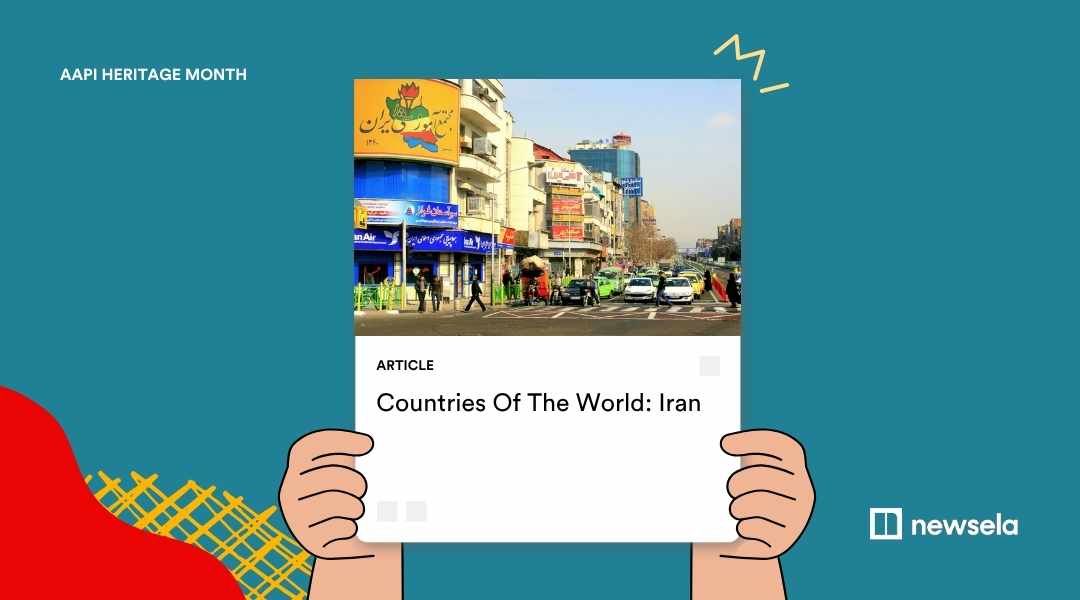
How has Iran’s history shaped its role in the world today?
Studying Iran gives students a way to connect past and present. This is a chance to show them how historical empires, political shifts, and global relationships continue to influence the country’s role today. Structure your lesson with articles on topics like:
Newsela Knack: Looking for more recent news on Iran? Search the country’s name and filter for “Most Recent” in your Newsela search results!
What can students learn from Native Hawaiian history and traditions?
While many AAPI lessons and activities focus on Asia, you don’t want to leave the Pacific cultures out of the discussion. Native Hawaiian history helps students understand that AAPI includes Indigenous cultures with their own traditions, histories, and experiences tied to the United States.
Build that understanding with articles on topics like:
Why should students study the Pacific Islands as part of AAPI learning?
Studying the Pacific Islands expands students’ understanding of AAPI beyond Asia. This helps them see how migration, environment, and belief systems shape cultures across island communities.
To build that understanding, use resources on topics like:
Continue AAPI learning all year with Newsela Social Studies
Covering AAPI history is a great starting point, but this learning shouldn’t stop at the end of May. You can keep building students’ understanding by weaving AAPI voices, histories, and cultures into the units you already teach.
With Newsela Social Studies, you can do that without starting from scratch. You have ready-to-use content that builds background knowledge, supports different reading levels, and keeps students engaged all year.
Not a Newsela customer yet? Sign up for an account to start your 45-day free trial of all our premium product features.
Everything you need to accelerate learning across ELA, social studies, and science


 Products Overview